Asset Forfeiture for Crypto Violations in Nepal: Risks, Laws, and Penalties
 Jul, 7 2026
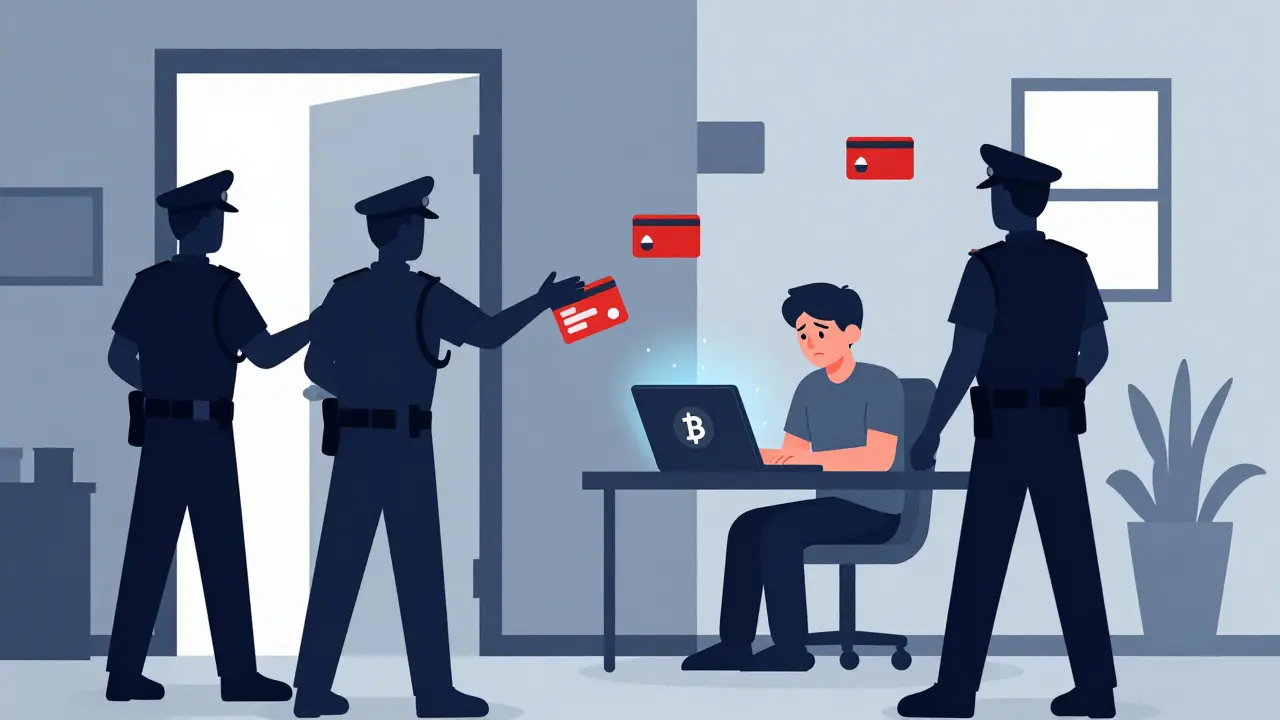
Imagine you’ve been trading Bitcoin or Ethereum from your laptop in Kathmandu. You think it’s just digital money, a private transaction between you and an exchange. Then, the authorities knock on your door. They aren’t just asking questions; they are seizing your hardware, freezing your bank accounts, and potentially taking everything you own. This isn’t a hypothetical nightmare scenario-it is the legal reality for anyone engaging with cryptocurrency in Nepal.
Nepal maintains one of the strictest bans on digital assets in the world. As of 2026, there is no gray area. Buying, selling, mining, storing, or even possessing cryptocurrency is a criminal offense. But the penalty isn’t just a fine or a short jail sentence. The government has the power to execute asset forfeiture, stripping violators of their property under anti-money laundering statutes. If you have any connection to Nepal-whether you live there, hold citizenship, or use Nepalese banks-you need to understand exactly how this works and what you stand to lose.
The Legal Foundation: Why Crypto Is Illegal in Nepal
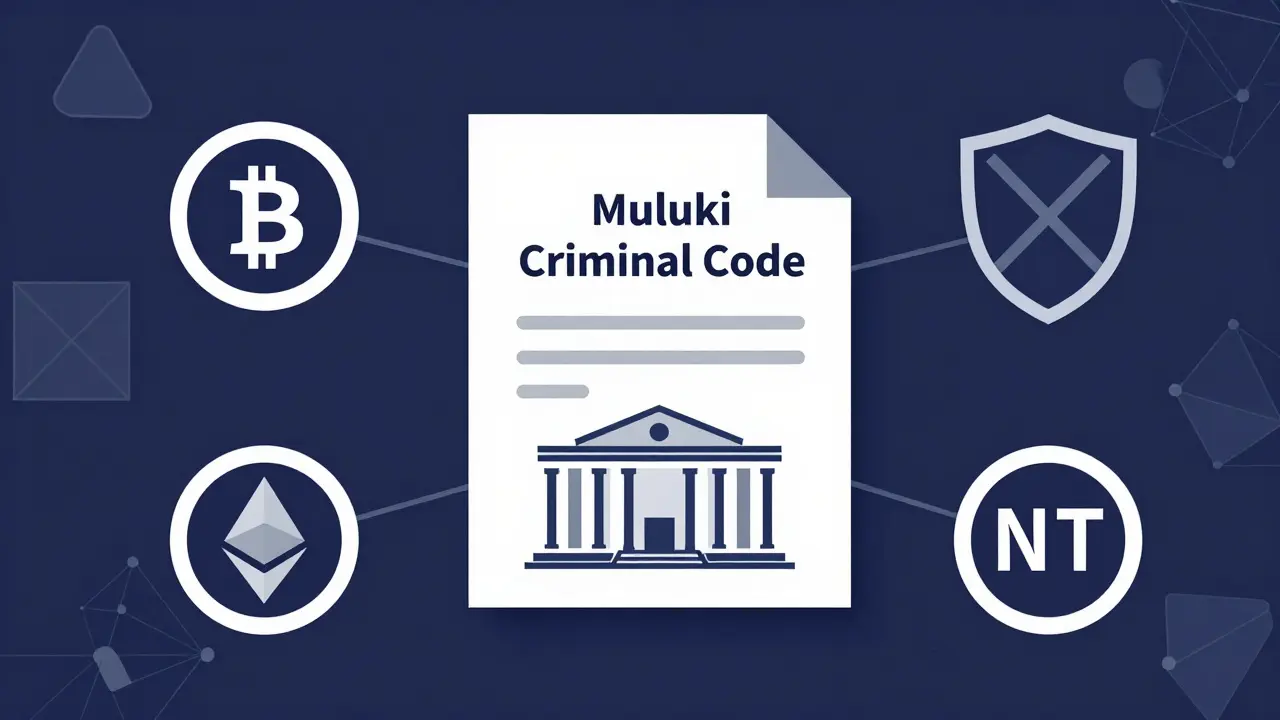
To understand why your assets can be seized, you first need to understand why the activity itself is banned. The cornerstone of this prohibition is the Muluki Criminal Code Act 2017, which is the primary criminal law framework in Nepal that defines offenses and penalties. Specifically, Section 262(A) provides the definition used by prosecutors. It classifies cryptocurrency as "any information, code, token, or virtual asset created electronically through cryptography that has commercial significance or can store value."
This broad definition means almost anything digital that holds value falls under the ban. It’s not just Bitcoin. It includes altcoins, stablecoins, NFTs, and tokens issued by decentralized finance (DeFi) protocols. Because these assets are not recognized as legal tender by the Nepal Rastra Bank (NRB), which is the central bank of Nepal responsible for monetary policy and financial stability, any transaction involving them is considered illegitimate.
The NRB has issued multiple directives since 2018 reinforcing this stance. Their argument is straightforward: cryptocurrencies operate outside the banking system, making them impossible to regulate effectively. This lack of oversight threatens the stability of the Nepalese Rupee (NPR), which is the official currency of Nepal. The government fears that if citizens start trusting Bitcoin over the Rupee, it could lead to capital flight, inflation, and a collapse in domestic economic control. Therefore, the ban is viewed as a protective measure for the national economy, not just a moral choice.
How Asset Forfeiture Works in Crypto Cases
When you break the law in Nepal, the consequences extend beyond personal freedom. The state uses asset forfeiture as a tool to dismantle illegal financial networks and punish offenders. While specific case law detailing crypto-only forfeitures is sparse due to the secretive nature of enforcement, the mechanism relies on existing anti-money laundering (AML) frameworks.
If you are caught trading crypto, the authorities will likely charge you under provisions related to money laundering or illegal financial activities. Here is how the forfeiture process typically unfolds:
- Identification of Illicit Proceeds: Investigators trace your transactions. Even if you used a pseudonymous wallet, they look at your IP addresses, device metadata, and fiat on-ramps. Any funds derived from crypto sales are deemed "proceeds of crime."
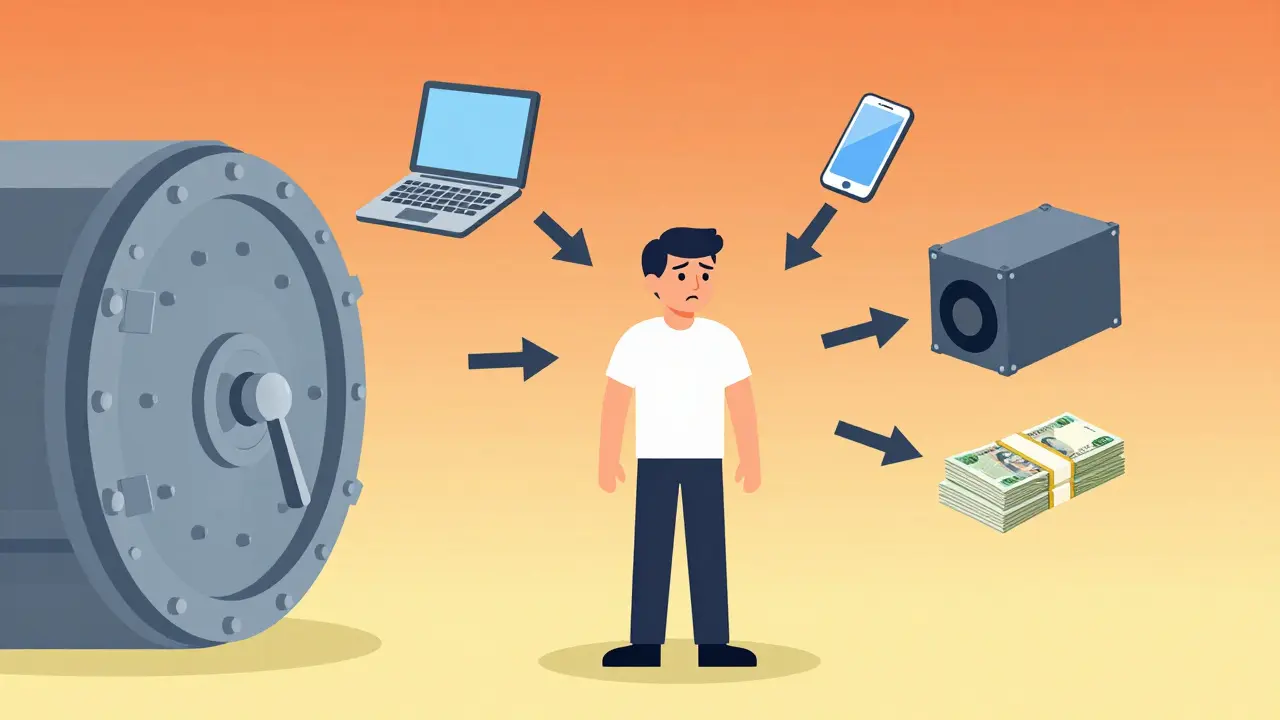
- Seizure of Physical Assets: This is where it gets personal. Police can seize your computers, smartphones, hard drives, and mining rigs. These devices are considered instruments of the crime. In many cases, they are confiscated permanently as evidence.
- Freezing of Bank Accounts: If you converted crypto into Nepalese Rupees and deposited it into a local bank, those funds are frozen immediately. The bank is legally obligated to report suspicious transactions to the Financial Intelligence Unit (FIU), which is the agency in Nepal responsible for analyzing suspicious transaction reports.
- Court-Ordered Forfeiture: Once convicted, or sometimes even during pre-trial proceedings in severe cases, a court can order the permanent transfer of these assets to the state treasury. You do not get them back, even if you claim they were bought with "clean" money, because the commingling of illicit crypto proceeds taints the entire account.
The key takeaway here is that the burden of proof often shifts to you. You must prove that your assets are clean. In a jurisdiction where crypto itself is illegal, proving that your wealth didn’t come from prohibited activities is nearly impossible if you have any history of digital asset interaction.
Enforcement Mechanisms: How They Catch You
You might think that using a decentralized exchange or a privacy coin makes you invisible. In Nepal, the government has built a multi-layered enforcement net that makes anonymity difficult.
First, there is the digital blockade. The Nepal Telecommunication Authority (NTA), which is the regulatory body overseeing telecommunications in Nepal blocked access to major cryptocurrency websites and exchanges back in 2021. This list is regularly updated. Trying to access Binance, Coinbase, or even blockchain explorers like Etherscan from a Nepalese IP address often results in a connection timeout. Using a VPN to bypass this block is itself a violation of computer crime laws, adding another layer of risk.
Second, banks are the eyes and ears of the state. All major banks in Nepal are required to monitor for unusual transaction patterns. If you receive a large deposit from an international source, or if your account shows frequent small transfers that resemble cash-out patterns from offshore exchanges, the bank will flag it. They will freeze your account and notify the NRB and police. Many users have found themselves locked out of their own savings simply because they tried to move crypto profits into the traditional banking system.
Third, peer-to-peer (P2P) trading is heavily scrutinized. Since direct exchange access is blocked, many Nepalese traders turn to P2P platforms or informal networks. However, these transactions leave trails. If you sell USDT to someone via eSewa or Khalti (popular digital wallets in Nepal), and that buyer is later investigated, your transaction history becomes evidence against you. The government has conducted raids targeting groups suspected of running underground crypto markets, leading to mass arrests and asset seizures.
Penalties Beyond Forfeiture: Fines and Imprisonment
Asset forfeiture is not the only punishment. The Muluki Criminal Code Act prescribes significant fines and imprisonment terms for violating financial regulations. While the exact sentencing guidelines for crypto-specific crimes can vary based on the severity and volume of transactions, the risks are substantial.
Individuals found guilty of engaging in illegal cryptocurrency activities can face:
- Imprisonment: Sentences can range from months to several years, depending on whether the activity is classified as simple possession, trading, or organized money laundering.
- Fines: Monetary penalties are often proportional to the value of the assets involved. In some cases, fines can exceed the value of the seized assets, leaving defendants with massive debt.
- Criminal Record: A conviction for financial crimes affects your ability to travel, work, or open new bank accounts in the future. It stains your reputation permanently.
For businesses, the stakes are even higher. Companies found facilitating crypto transactions, such as payment processors or tech firms offering crypto-related services, can have their licenses revoked, offices shut down, and all corporate assets seized. There is no license available in Nepal for a crypto business, so any attempt to operate one is automatically illegal.
Comparison: Nepal vs. Regional Neighbors
| Country | Legal Status | Asset Forfeiture Risk | Banking Access |
|---|---|---|---|
| Nepal | Completely Illegal | High (Under AML laws) | Banned/Frozen |
| India | Legal but Regulated (30% Tax) | Low (If taxes paid) | Allowed with KYC |
| Pakistan | Illegal (Central Bank Ban) | Medium (Enforcement varies) | Restricted |
| Bangladesh | Illegal | Medium (Arrests common) | Banned |
As the table shows, Nepal stands out for its uncompromising stance. While India has moved toward regulation (taxing gains but allowing trade), and Pakistan faces enforcement challenges despite its ban, Nepal actively prosecutes and seizes assets. This makes Nepal one of the most hostile environments for crypto enthusiasts in the region. If you are considering moving funds or setting up operations, neighboring countries offer significantly more safety, provided you comply with their respective tax and reporting requirements.
What Should You Do? Practical Advice
If you are currently holding cryptocurrency while residing in Nepal, or if you plan to visit or move there, you need to take immediate precautions. Ignorance of the law is not a defense, and the consequences are too severe to gamble with.
- Do Not Trade Locally: Avoid using any Nepalese bank account, digital wallet (like eSewa or Khalti), or phone number to register for crypto exchanges. Keep your digital life separate from your physical presence in Nepal.
- Avoid Converting to NPR: Never try to cash out crypto into Nepalese Rupees through local channels. This is the fastest way to trigger a bank alert and subsequent investigation. If you need fiat, convert to USD or EUR in a friendly jurisdiction before entering Nepal.
- Secure Your Devices: If you travel to Nepal, consider leaving sensitive hardware (cold wallets, laptops with exchange logins) behind. Use a clean device for local communication. Remember, police can seize your phone without a warrant in certain circumstances during investigations.
- Consult a Local Lawyer: If you are already under scrutiny, do not speak to authorities without legal representation. Hire a lawyer who specializes in financial crime in Nepal. They can help navigate the procedural aspects of asset seizure and protect your rights.
- Explore Blockchain Alternatives: If you are interested in technology, focus on non-currency blockchain applications. Supply chain tracking, healthcare data management, and land registry systems are areas where blockchain can be used without triggering the crypto ban. These projects do not involve speculative tokens and may be viewed more favorably by regulators.
The landscape in Nepal is unlikely to change soon. Despite global trends toward acceptance, the Nepalese government remains committed to protecting the NPR and maintaining strict financial control. Until the Muluki Criminal Code is amended or the NRB issues new guidelines, the risk of asset forfeiture remains real and immediate.
Future Outlook: Will the Ban Lift?
Many observers hope that Nepal will follow India’s lead and adopt a regulatory framework. After all, the ban hurts remittance flows and limits financial innovation. However, as of mid-2026, there are no signs of legislative change. The government continues to emphasize the risks of money laundering and capital flight. Political instability and economic pressures further reduce the likelihood of reform in the near term.
Until then, the message from Kathmandu is clear: stay away from crypto. The cost of breaking the rules is not just a warning-it is the loss of your assets, your freedom, and your financial future.
Is it legal to mine Bitcoin in Nepal?
No, mining Bitcoin is strictly illegal in Nepal. The Muluki Criminal Code Act 2017 prohibits all forms of cryptocurrency activities, including mining, trading, and storage. Engaging in mining can lead to the seizure of equipment, fines, and imprisonment.
Can the Nepalese government seize my crypto wallet?
While they cannot directly hack your private keys, they can seize the devices (computers, phones) where your wallet software is stored. If they gain access to your passwords or seed phrases, they can transfer your assets to state-controlled accounts. Additionally, if you withdraw funds to a local bank, those fiat assets will be frozen and forfeited.
What happens if I buy crypto on a P2P platform in Nepal?
Buying or selling crypto via P2P platforms is illegal. Transactions made through local digital wallets or bank transfers are monitored by the Financial Intelligence Unit. If detected, you can face criminal charges for money laundering, resulting in asset forfeiture and potential jail time.
Does Nepal allow any form of blockchain technology?
The ban specifically targets cryptocurrencies and digital assets with commercial value. Non-financial blockchain applications, such as supply chain management or secure data storage, are not explicitly banned. However, developers should ensure their projects do not involve tokens or speculative assets to avoid legal trouble.
Will Nepal legalize cryptocurrency in 2026?
There are no current indications that Nepal will legalize cryptocurrency in 2026. The Nepal Rastra Bank and the government maintain a strict prohibition stance due to concerns about monetary stability and money laundering. Enforcement remains active, and asset forfeiture laws continue to be applied.
John Harman
July 8, 2026 AT 21:57Look, I've read the statutes and the NRB directives, so let me save you some time. The Muluki Criminal Code isn't just a suggestion; it's a trapdoor. Section 262(A) is deliberately vague because it needs to be. It covers 'any information' with commercial significance. That means if you're holding an NFT that represents a deed to a digital land plot, you are technically in possession of illegal tender. Most people think they can hide behind DeFi protocols, but the IP tracing from the Nepal Telecommunication Authority is surprisingly effective for local ISPs. They don't need to hack your wallet; they just need to prove you accessed the network from a Nepalese node. Once they have that metadata, the presumption of guilt shifts heavily toward you under their AML frameworks. You aren't fighting a financial regulator; you're fighting a state that views currency sovereignty as national security. So stop thinking about tax optimization and start thinking about jurisdictional exit strategies.
Antony Lopez
July 10, 2026 AT 18:21This is exactly why we keep our money in America. 🇺🇸 Foreign governments with weak institutions try to ban innovation because they can't control it. But honestly, if you're stupid enough to trade crypto in a country that explicitly bans it, you deserve to lose everything. It's not persecution; it's basic rule of law. If you live there, follow their laws or leave. We don't have this problem here because we respect property rights and individual liberty. Nepal is failing its citizens by blocking progress, but the individuals making these trades are also failing by ignoring clear legal boundaries. Don't come crying to us when you get locked up.
Kat Barr
July 12, 2026 AT 08:09Oh my gosh, this sounds absolutely terrifying!! 😱 I mean, losing your entire life savings over Bitcoin? That’s just heartbreaking 💔 I hope everyone reading this stays super safe and double-checks their local laws before doing anything risky!!! It’s so important to protect yourself and your family 😊 Let’s all look out for each other and share this info so no one gets hurt!! Stay safe out there!! ✨💖
Logan Edmison
July 13, 2026 AT 11:44its funny how the state claims to protect the rupee but really theyre just protecting their own power structure. the concept of money is a social construct anyway. if i trust bitcoin more than the nepali government then who am i wrong for? its not about the value of the asset its about the trust in the issuer. the nrb is afraid of irrelevance. they know they cant compete with decentralized networks so they use brute force. but history shows that censorship always fails eventually. the blockchain remembers even if the state tries to forget. its a philosophical battle between centralized control and individual autonomy. we are witnessing the death throes of fiat currency on a global scale. nepal is just the first domino to fall hard.
Michelle Walker
July 13, 2026 AT 16:38You are missing the point entirely. This isn't philosophy. It's criminal law.
The NRB doesn't care about your 'trust.' They care about capital flight. When you move assets out of the NPR ecosystem, you destabilize the local economy. That is a tangible harm. Your 'autonomy' costs the average Nepali citizen inflation. Stop romanticizing crime. The forfeiture laws exist because without them, the ban is toothless. If you want to trade crypto, move to India. Pay the 30% tax. Follow the rules. Doing otherwise is selfish and dangerous. Wake up.
Shay Thomson
July 14, 2026 AT 09:14I feel like we're all missing the human element here! 😭 Imagine being a young developer in Kathmandu, passionate about tech, only to have your laptop seized because you were exploring code! It's tragic! We need empathy, not just legal analysis! Maybe there's a middle ground where innovation and regulation can coexist peacefully? 🕊️ Let's not judge each other so harshly! Everyone makes mistakes! We should support those struggling with these complex systems instead of shaming them! Love and light to all affected! 🙏✨
DJ Maleko
July 15, 2026 AT 07:25Hey Shay, while I appreciate the love and light vibe 🌈, let's get real for a sec. Empathy doesn't unfreeze bank accounts. The system is designed to crush dissent. I've seen guys in Delhi who thought they were smart using P2P platforms get raided within weeks. The Financial Intelligence Unit shares data faster than you can blink. It's not about 'mistakes'; it's about survival. You need to be paranoid. Use Tails OS. Air-gapped cold wallets. Never connect to a local network. If you're not willing to go full spy mode, you shouldn't be touching crypto in hostile jurisdictions. It's that simple. Don't let kindness blind you to the knife at your back. 🔪😎
Erika Pozzetto
July 16, 2026 AT 06:59In considering the broader implications of such stringent regulatory frameworks, one must acknowledge that the preservation of monetary stability is indeed a paramount concern for any sovereign nation, particularly those with emerging economies that are highly susceptible to external financial shocks and speculative bubbles which can easily erode the purchasing power of the general populace, thereby necessitating robust measures to prevent capital flight and ensure that the domestic banking sector remains insulated from the volatile nature of unregulated digital assets, which often lack the institutional backing and legal recourse that traditional fiat currencies provide to their holders in times of crisis.