
Explore the details of the Mind Music (MND) airdrop, including the 30 trillion token distribution via CoinMarketCap, 75% APY staking, and NFT vinyl integration.
Cryptocurrency: Real Coins, Scams, Exchanges, and How to Stay Safe
When you hear cryptocurrency, a digital asset built on blockchain technology that lets people send value directly without banks. Also known as crypto, it’s meant to be open, secure, and decentralized—but too often, it’s used to trick people. Not every coin you see online is real. Some are made up overnight with no code, no team, and no purpose—just a flashy name and a promise of quick cash. Others are tied to exchanges that vanish without warning, leaving users locked out of their funds.
Behind every fake coin like XREATORS (ORT), a non-existent token with no blockchain presence or trading history, there’s a pattern: no whitepaper, no community, no way to verify who’s behind it. And it’s not just coins—crypto exchanges, platforms where you buy, sell, or trade digital assets like VAEX, UPTX, and Nivex are popping up with big AI promises and zero regulation. They disappear after collecting deposits, and by the time you realize it, there’s no customer support, no legal recourse, and no refund.
But not all crypto is risky. Some projects, like tokenized assets, real-world stocks or funds represented as blockchain tokens such as BLKon from Ondo Finance, give you access to traditional investments in a new way—though they come with their own liquidity risks. Then there’s staking rewards, earnings you get for locking up crypto to help secure a blockchain network, which can be a steady source of passive income—if you know how to calculate them and avoid inflated APY claims. And airdrops, free crypto tokens given out to users who complete simple tasks, like APENFT or RACA Radio Caca, can be legit if they come from established teams with clear rules.
What you’ll find here isn’t hype. It’s the truth behind the noise. We’ve dug into dead exchanges, exposed fake coins, broken down how staking actually works, and showed exactly what people got from real airdrops—good and bad. No fluff. No guesswork. Just what you need to know before you click, invest, or swipe your wallet.
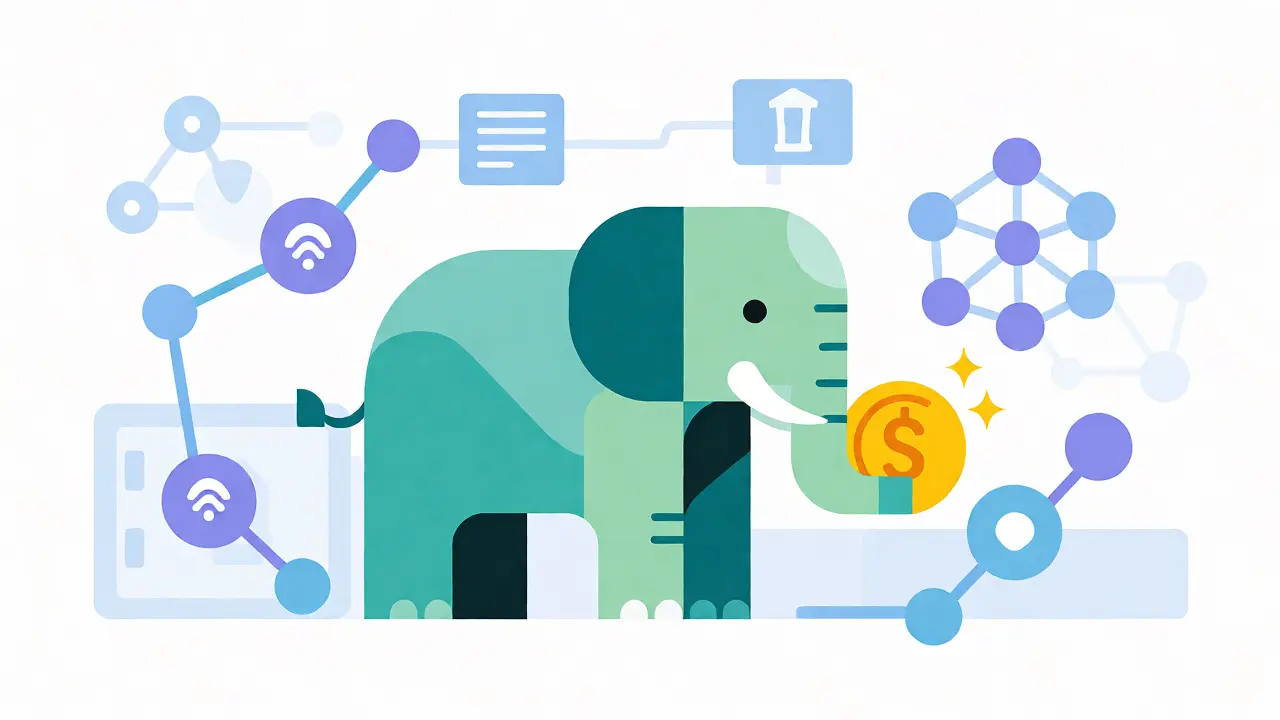
Discover what Elephant Money (TRUNK) crypto is, a hybrid stablecoin on BNB Chain and Solana. Learn about its 75% BUSD collateral model, the 2022 hack impact, and its current status in 2026.

Navigate South Korea's strict crypto rules: mandatory real-name verification, limited licensed exchanges like Upbit, and the new 20% capital gains tax starting 2025.

Confused by the 'U' crypto ticker? Discover the key differences between the speculative BNB Chain meme token and the institutional United Stables stablecoin.
Discover how institutional crypto custody solutions protect billions in digital assets. Learn about cold storage, MPC technology, and choosing between bank-led and FinTech providers.
Discover the truth behind the CoPuppy x CoinMarketCap airdrop. We analyze CP token data, expose fake claims, and provide safety tips for crypto investors.

Discover Hydration (HDX), the all-in-one DeFi protocol on Polkadot. Learn how it unifies swaps, lending, and stablecoins to solve liquidity fragmentation.

Discover the truth behind xMOON: it's a volatile token, not an exchange. Learn where to trade it, the risks of low liquidity, and why caution is essential.

Learn how to participate in the StrongNode Edge (SNE) airdrop. Discover details on token distribution, eligibility, and current market value of this Polygon-based utility token.
Read our honest Bitospher crypto exchange review. We analyze its claimed SEC regulation, security measures, and fee structure to help you decide if it's safe for your crypto.
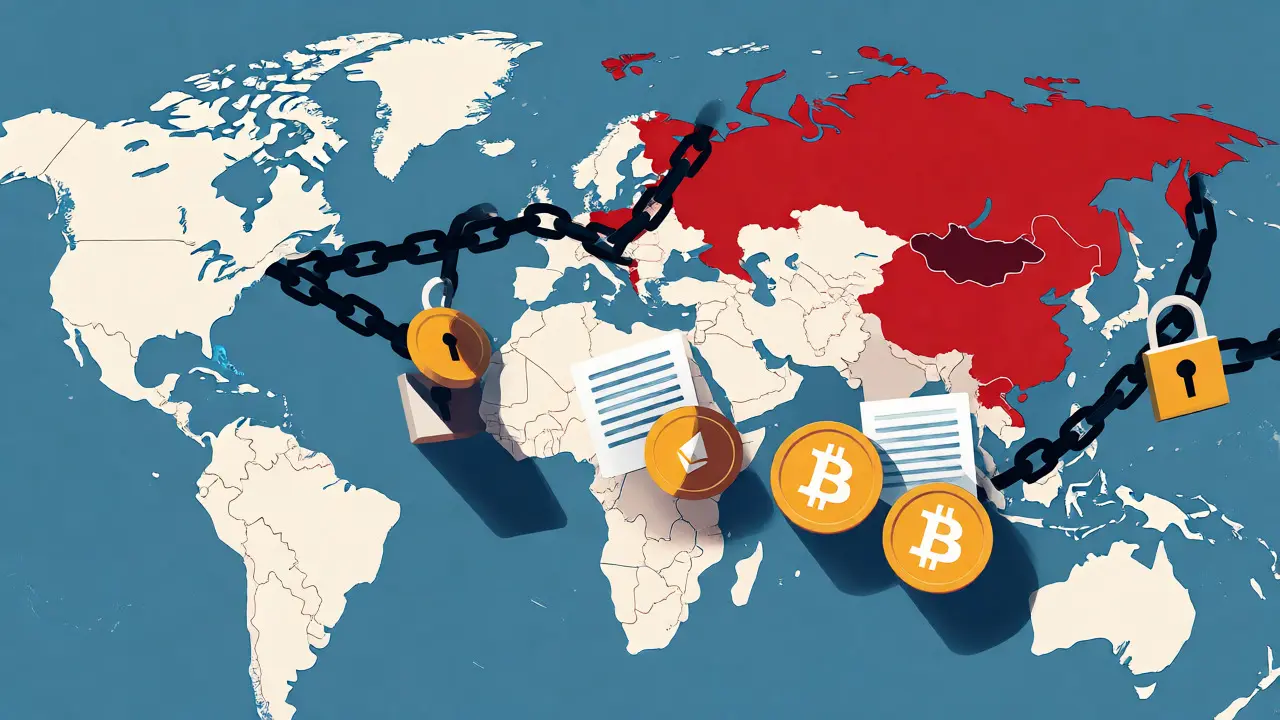
Explore how OFAC sanctions and local bans impact P2P crypto trading volumes in restricted countries. Discover why liquidity drops, which exchanges block users, and how traders adapt in 2026.
Discover the details of the Dinosaureggs (DSG) token airdrop. Learn how to participate via MEXC Kickstarter, understand the risks of zero circulating supply, and evaluate if this BSC metaverse project is worth your attention.