RACA × Cambridge Airdrop: What You Need to Know
 Oct, 1 2026
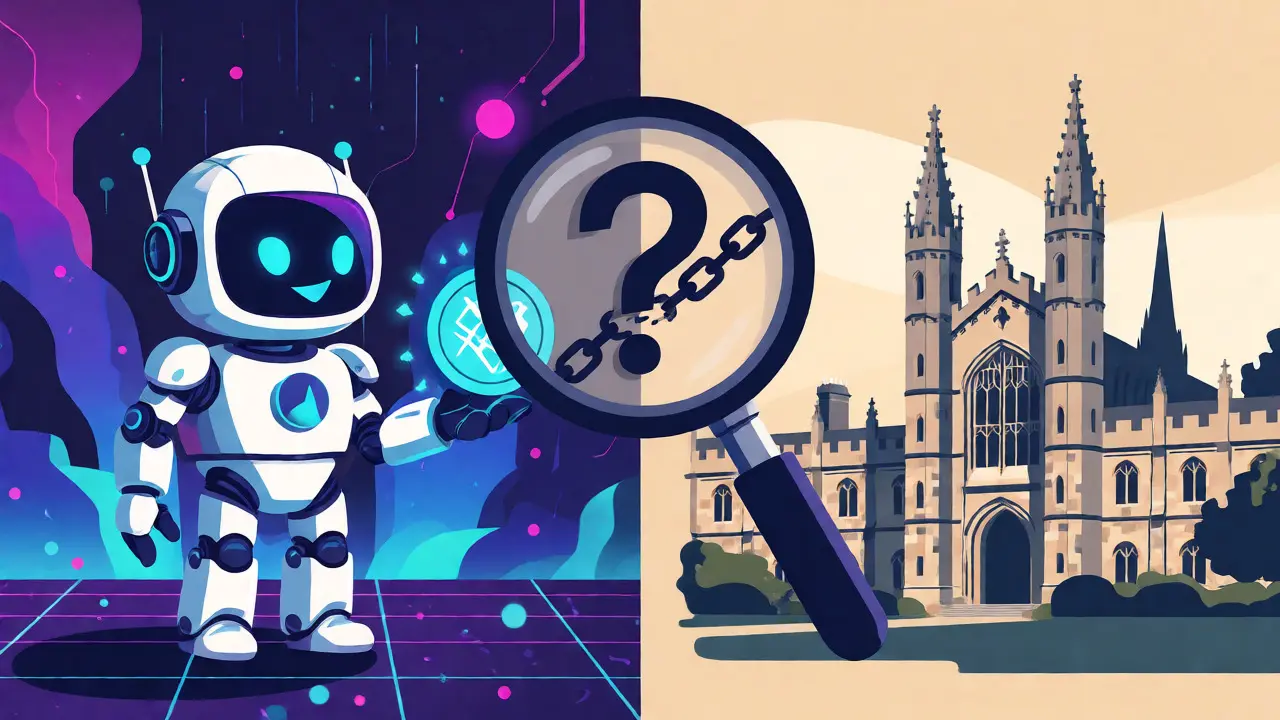
Have you seen rumors about a RACA (Radio Caca) × Cambridge airdrop and wondered if it’s real? You’re not alone. The crypto world moves fast, and new partnerships pop up daily. But when a major project like Radio Caca links names with an institution like Cambridge, people pay attention. Here is the reality check: as of late 2026, there is no official, widely verified announcement from Radio Caca confirming a specific "Cambridge" airdrop campaign in the way typical community-driven drops work. Most information circulating online comes from third-party aggregators or speculative community threads rather than direct press releases from the core team.
This doesn’t mean nothing is happening. It means you need to be careful about where you get your info. Scammers love vague announcements. They use big names like "Cambridge" to lure users into connecting their wallets to fake sites. If you are holding RACA tokens or have participated in previous MetaVerse events, here is exactly what you should look for, how to verify claims, and why this specific partnership narrative might be gaining traction right now.
The Current State of Radio Caca (RACA)
To understand any potential airdrop, you first need to know what RACA actually is today. Radio Caca is a decentralized autonomous organization (DAO) focused on building a metaverse ecosystem using blockchain technology. Launched originally as a meme coin, it evolved significantly. By 2024-2025, the team shifted focus toward utility, launching the MetaVerse platform which allows users to create, buy, and sell NFTs and virtual assets. The token operates primarily on Ethereum and BNB Chain.
Why does this matter for an airdrop? Because successful airdrops usually reward early adopters or active users of these specific utilities. If a "Cambridge" connection exists, it likely relates to academic research, institutional adoption, or a specific grant program, rather than a simple marketing giveaway. However, without a signed smart contract or a pinned tweet from the official @RadioCacaX account, treat every claim with skepticism.
Decoding the "Cambridge" Connection
Where did this rumor start? Often, these narratives blend two separate things. First, there is the Regional Air Cargo Carriers Association (RACCA), an industry group unrelated to cryptocurrency but sharing similar acronyms. Confusion between RACA and RACCA happens frequently in search results. Second, universities like Cambridge often host blockchain research centers. Did a student group at Cambridge accept RACA donations? Did a research paper cite RACA’s whitepaper? These are plausible scenarios that get blown up into "partnerships" by social media influencers.
There is no evidence of a formal commercial partnership between Radio Caca and the University of Cambridge that would trigger a mass token distribution. In crypto, a true partnership airdrop usually involves:
- A joint press release on both organizations' official websites.
- A dedicated landing page with clear eligibility criteria.
- A snapshot date announced weeks in advance.
- A vesting schedule (tokens aren't always available immediately).
If you cannot find these three elements, you are likely looking at speculation or a scam.

How to Verify Legitimate Airdrops
You don’t want to lose your private keys chasing ghosts. Here is a practical checklist to validate any RACA-related opportunity. Use this before you click "Connect Wallet."
| Check Item | Legitimate Sign | Red Flag |
|---|---|---|
| Official Announcement | Pinned post on X (Twitter) from @RadioCacaX | Post from a random influencer or Telegram bot |
| Domain Name | radiocaca.com or subdomains owned by them | raca-airdrop-cambridge.xyz or .net variants |
| Wallet Interaction | Read-only permission or standard transaction signing | Request for Private Key or Seed Phrase |
| Cost to Claim | Gas fees only (small amount) | Requires sending ETH/BTC to "activate" the drop |
Notice the last row. This is the most common trap. No legitimate airdrop asks you to send money to receive money. If a site says "Send 0.1 ETH to claim your RACA," close the tab immediately.
Real Airdrop Mechanics in the RACA Ecosystem
Even if the Cambridge story is hype, RACA has done real distributions in the past. Understanding how they work helps you spot future opportunities. Previous RACA airdrops typically targeted holders of their NFT collections, such as the Doggy Doggy World NFT collection or participants in their MetaVerse land sales.
Here is how those mechanics generally function:
- Snapshot: The team takes a picture of the blockchain at a specific block height. If you held eligible assets then, you qualify.
- Claim Window: Users have a set time (e.g., 30 days) to claim tokens via the official dApp.
- Vesting: Large allocations often unlock gradually over 6-12 months to prevent dumping.
If a Cambridge-themed event were real, it would likely follow this pattern. Maybe they reward students who built projects on the RACA chain during a hackathon hosted in collaboration with academic partners. That is a realistic scenario. A random cash grab is not.

What Should You Do Now?
Don’t panic sell or buy based on rumors. Instead, take these steps:
- Mute Noise: Turn off notifications for generic crypto news apps. They aggregate everything, including scams.
- Follow Sources: Only trust the official Radio Caca Discord and Twitter handle. Check their verification badge.
- Monitor On-Chain Data: Use tools like Etherscan or BscScan to track large transfers from known RACA treasury wallets. Sudden movements can signal upcoming events.
- Wait for Documentation: If a partnership is real, technical documentation will exist. Look for GitHub repositories or Medium articles explaining the integration.
The crypto market in late 2026 is maturing. Investors are less likely to FOMO (Fear Of Missing Out) into unverified deals. This makes it harder for scammers but easier for genuine projects to stand out. If Radio Caca truly partners with a Cambridge entity, expect a professional rollout, not a chaotic scramble.
Beyond the Hype: Other RACA Opportunities
While waiting for clarity on the Cambridge narrative, keep an eye on other areas of the Radio Caca ecosystem. The team continues to develop its Layer 2 solutions and cross-chain bridges. Active participation in governance votes within the DAO sometimes yields rewards. Staking RACA tokens remains a popular strategy for passive income, though yields fluctuate with network activity.
Consider diversifying your attention. Don’t put all your eggs in one basket hoping for a single airdrop miracle. Track multiple projects. Sometimes, the best opportunities are quiet ones where you stake your tokens and let the protocol do the work.
Is the RACA × Cambridge airdrop confirmed?
As of October 2026, there is no official confirmation from Radio Caca regarding a specific "Cambridge" airdrop. Most reports are speculative or stem from confusion with unrelated entities. Always verify through official channels.
What is RACA in crypto?
RACA (Radio Caca) is a cryptocurrency associated with a metaverse ecosystem. It started as a meme coin but evolved into a DAO supporting NFTs, gaming, and virtual land ownership on Ethereum and BNB Chain.
How do I avoid airdrop scams?
Never share your private key. Be wary of domains that are not radiocaca.com. Legitimate airdrops rarely ask you to send crypto to claim tokens; they usually just require gas fees for the transaction.
Did RACA partner with Cambridge University?
There is no public record of a formal commercial partnership between Radio Caca and the University of Cambridge that would trigger a mass airdrop. Academic collaborations may occur, but they differ from corporate sponsorships.
When was the last major RACA airdrop?
Major distributions have historically been tied to NFT mints and MetaVerse land sales. Check the official blog for the most recent snapshot dates, as these change quarterly based on development milestones.