How to Buy Crypto with Fiat in India: The 2026 Guide
 Sep, 29 2026
You want to buy Bitcoin or Ethereum, but you're staring at your bank account wondering how to actually get money into a digital wallet without getting taxed into oblivion or blocked by your bank. You aren't alone. With over 15 million active users in India as of late 2025, the question isn't "should I buy?" anymore-it's "how do I do it efficiently?" Buying crypto with Indian Rupees (INR) is straightforward, but the regulatory landscape has changed significantly since the 2022 tax rules kicked in. If you ignore the 1% Tax Deducted at Source (TDS), you'll face headaches during filing season. If you pick the wrong exchange, you might wait days for a withdrawal instead of minutes.
The Current State of Crypto in India
First, let's clear up the legal status. Yes, it is legal to own and trade cryptocurrency in India. The Supreme Court struck down the RBI ban back in 2020, and while the government hasn't passed a comprehensive law yet, they haven't banned ownership either. What they did implement was a heavy tax structure. As of 2026, you pay a flat 30% tax on profits plus a 4% cess. That hurts, especially if you were hoping for short-term trading gains. But here’s the kicker: you also have to deal with 1% TDS on every sell transaction above ₹50,000 (or ₹10,000 for some categories). This means the exchange automatically cuts 1% from your sale proceeds before sending the rest to your bank.
Despite these hurdles, adoption keeps growing. Why? Because inflation is real. With annual inflation hovering around 6.8%, many Indians see crypto as a hedge. Plus, for those sending money abroad, stablecoins like USDT offer faster settlement than traditional SWIFT transfers. So, you’re not just speculating; you’re potentially optimizing your cash flow.
Choosing the Right Exchange
This is where most beginners stumble. You can’t just pick any app. In India, you need an exchange that complies with local laws, specifically regarding KYC (Know Your Customer) and TDS collection. If you use a foreign exchange that doesn’t deduct TDS, you are responsible for calculating and paying it yourself-a nightmare for anyone who isn’t a spreadsheet wizard.
Here is a quick look at the top players dominating the market right now:
| Exchange | Best For | Minimum Deposit | TDS Compliance | Payment Methods |
|---|---|---|---|---|
| WazirX | Beginners & UPI Users | ₹100 | Automatic | UPI, IMPS, NEFT |
| CoinDCX | Security & Features | ₹100 | Automatic | UPI, Bank Transfer |
| ZebPay | Mobile Experience | ₹500 | Automatic | Bank Transfer |
| Binance India | Advanced Traders | ₹500 | Manual (Check latest status) | P2P, Card |
WazirX remains popular because its integration with UPI is seamless. You can load ₹500 via UPI and start trading in seconds. CoinDCX is often cited for its robust security protocols, including cold storage for 95% of assets. ZebPay offers a slick mobile interface, though their fee structure can eat into small trades. Binance India provides access to a wider range of coins but requires more careful navigation regarding tax compliance.
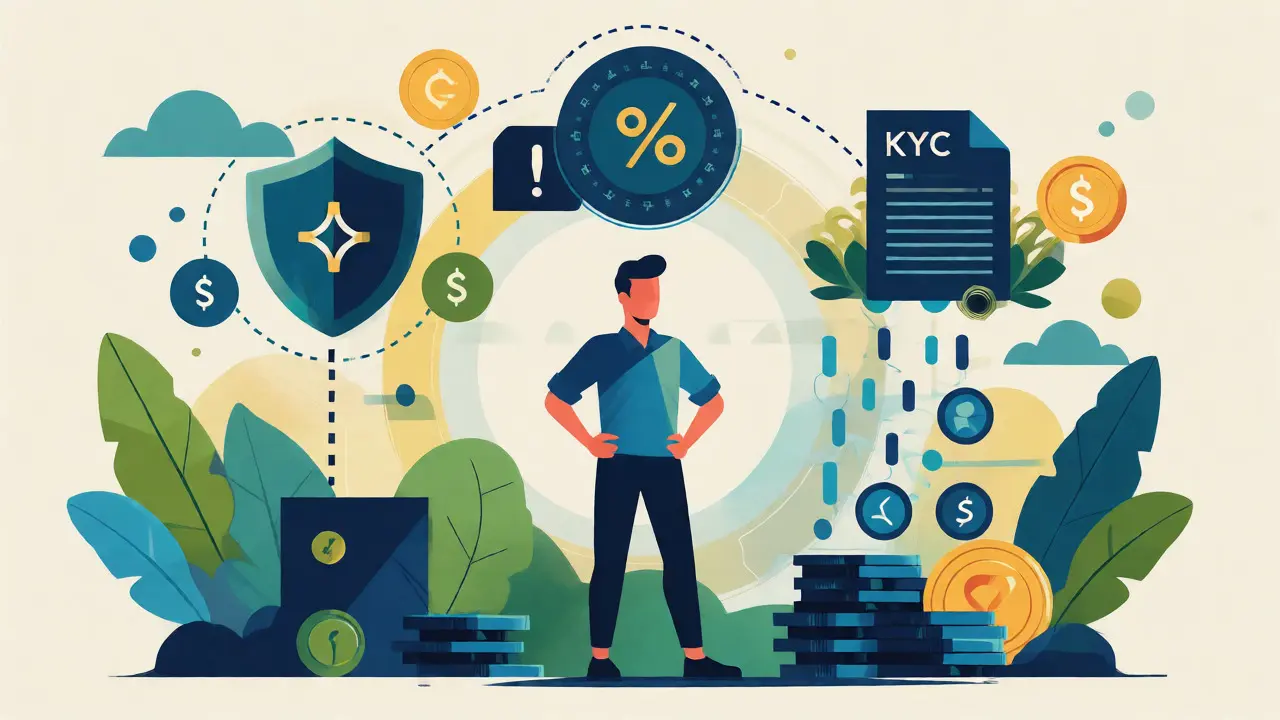
Step-by-Step: From Bank Account to Wallet
Ready to make your first purchase? Here is the exact process. It usually takes about 15-30 minutes, mostly waiting for document verification.
- Create an Account: Download the app or visit the website. Enter your email and phone number. Verify both via OTP.
- Complete KYC: This is mandatory. You will need your PAN card and Aadhaar card. Upload clear photos of both. Some exchanges require a selfie holding your PAN card. Ensure the text is legible; blurry images cause rejection.
- Add Funds: Once verified, go to the 'Add Money' section. Choose UPI for instant deposits. Enter the amount (e.g., ₹1,000). Approve the request in your UPI app (GPay, PhonePe, etc.). The funds should reflect in your exchange wallet almost immediately.
- Buy Crypto: Go to the 'Markets' or 'Trade' section. Search for BTC/INR or ETH/INR. Select 'Market Order' if you want immediate execution, or 'Limit Order' if you want to set a specific price. Confirm the purchase.
- Verify Holdings: Check your 'Portfolio' or 'Wallet' tab. You should see your fractional Bitcoin or Ethereum listed there.
A common pitfall? Trying to send money directly from your bank to the exchange’s bank account without using the unique reference number provided by the exchange. Always use the reference code given in the app, or your money will sit in limbo for days.
Understanding the Tax Implications
You cannot ignore taxes. The Income Tax Act, Section 194S, mandates 1% TDS on virtual digital asset transactions. Let’s break this down with a real scenario. Say you buy ₹10,000 worth of Bitcoin. Later, you sell it for ₹12,000. When you sell, the exchange deducts 1% of ₹12,000 (which is ₹120) and sends it to the government. You receive ₹11,880 in your bank account. Then, when you file your returns, you calculate your profit (₹2,000) and pay 30% tax on that profit (₹600). You can claim credit for the ₹120 TDS already paid, so you’d owe the remaining balance.
If you don’t report this correctly, you risk penalties. Keep records of all transactions. Most compliant exchanges like WazirX and CoinDCX provide downloadable tax reports that summarize your buys, sells, and TDS deducted. Use these documents to simplify your filing process.

Storage: Hot vs. Cold Wallets
Once you’ve bought crypto, where does it live? By default, it stays on the exchange. This is called a 'hot wallet.' It’s convenient for trading but risky for large amounts. Remember the 2024 breach at ZebPay’s hot wallet? Hackers compromised ₹18.7 crore. Not ideal if you’re holding significant value.
For long-term holdings, consider moving your crypto to a 'cold wallet.' These are offline devices, like hardware wallets (Ledger Nano S+ costs around ₹11,999). They keep your private keys offline, making them immune to online hacks. Only 28% of Indian users currently use hardware wallets, according to recent surveys. If you plan to hold for years, investing in a hardware wallet is smart insurance against platform failures or hacks.
Troubleshooting Common Issues
Things don’t always go smoothly. Here are fixes for frequent problems:
- Funds Not Reflecting: If you sent money via NEFT/IMPS, check the reference number. If correct, contact support. UPI is usually instant; if delayed, check your bank statement for pending status.
- KYC Rejection: Usually due to poor image quality or mismatched names. Ensure your name matches exactly across PAN, Aadhaar, and bank account.
- High Fees on Small Trades: If you buy ₹500 weekly, percentage fees add up. Look for exchanges with lower minimum fee thresholds or consider batching purchases.
- Withdrawal Delays: Banks sometimes flag crypto-related transactions. Whitelist your exchange’s beneficiary account in your net banking settings to speed things up.
Buying crypto in India is no longer rocket science, but it does require attention to detail. The key is choosing a compliant exchange, understanding the tax impact before you hit 'buy,' and securing your assets properly. Start small, learn the ropes, and scale up as you gain confidence.
Is buying crypto legal in India?
Yes, buying, selling, and holding cryptocurrency is legal in India. The Supreme Court lifted the RBI ban in 2020. However, it is heavily regulated through taxation, including a 30% tax on profits and 1% TDS on sales.
What is the minimum amount needed to buy crypto in India?
You can start with as little as ₹100 on platforms like WazirX and CoinDCX. This allows investors to test the waters without committing large sums of capital.
Do I have to pay tax on crypto losses?
No, you cannot offset crypto losses against other income sources like salary or business profits under current Indian tax laws. Losses can only be set off against gains from the same category of Virtual Digital Assets.
Which payment method is best for buying crypto in India?
UPI is generally the fastest and most convenient method for deposits, often reflecting in your wallet within seconds. Bank transfers (NEFT/IMPS) are slower but useful for larger amounts.
What happens if I forget to pay crypto tax?
If you fail to report crypto income, you may face interest charges and penalties under the Income Tax Act. The 1% TDS deduction helps track transactions, making non-compliance easier for authorities to detect.