Bitcoin in El Salvador: From Legal Tender to Voluntary Use
 Apr, 19 2026
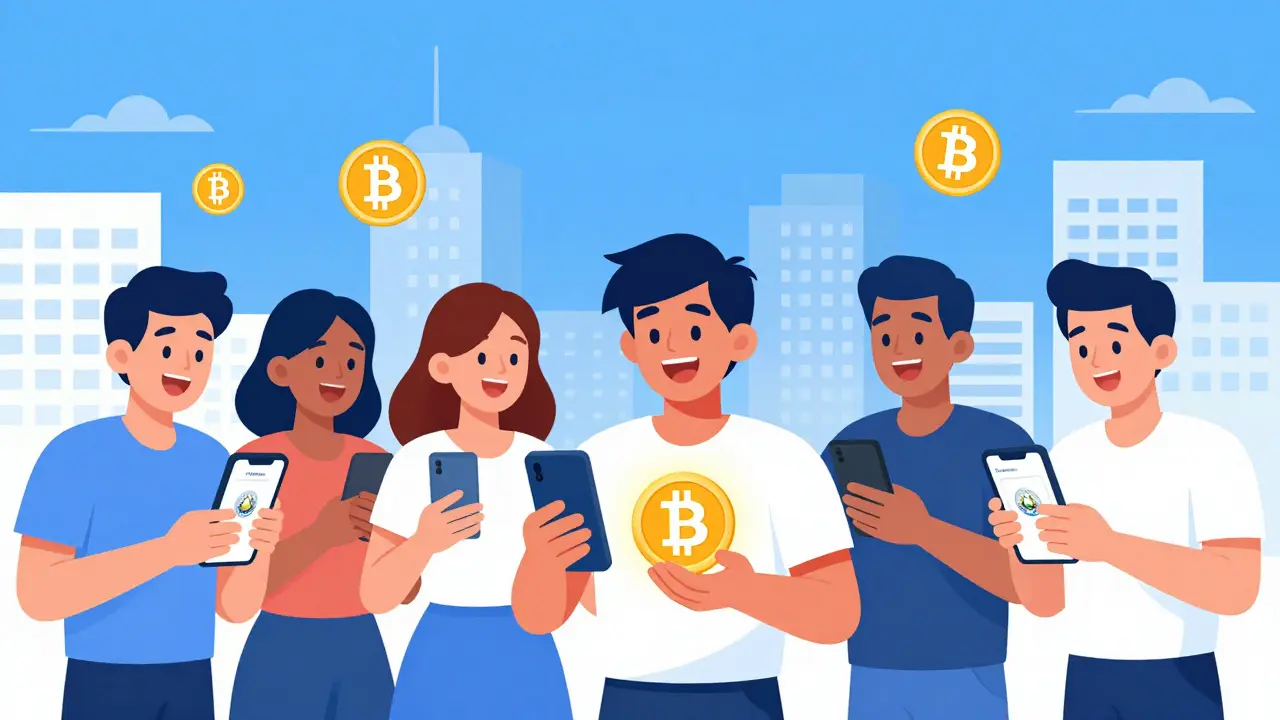
Imagine waking up and finding out that your government now accepts a digital asset, known for swinging wildly in price, as official money. That's exactly what happened in El Salvador on September 7, 2021. In a move that shocked the global financial world, Bitcoin is a decentralized digital currency without a central authority that serves as an alternative to traditional fiat currencies. For a few years, this country was the ultimate laboratory for crypto, attempting to replace the old-school banking system with a digital ledger. But as we've seen by 2026, the dream of a "Bitcoin nation" hit some very hard realities.
The Big Experiment: Why Bitcoin?
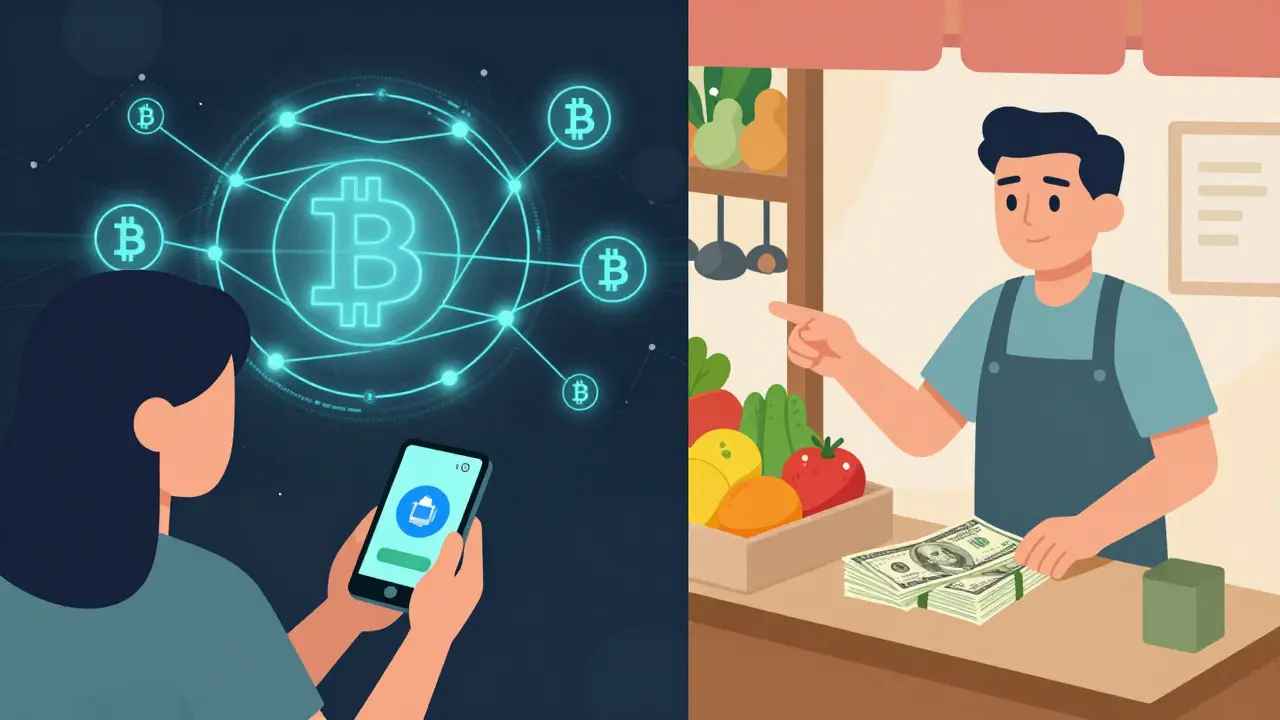
President Nayib Bukele didn't just wake up and decide to gamble with the national economy. There were a few very specific goals. First, financial inclusion. A huge chunk of Salvadorans didn't have bank accounts, making it nearly impossible for them to save or get loans. Second, remittances. Millions of Salvadorans working abroad send money home, and the fees charged by traditional services are highway robbery. Bitcoin promised a way to send money instantly and cheaply.
To get people on board, the government launched the Chivo wallet, a state-sponsored digital wallet designed to facilitate Bitcoin transactions for citizens and businesses. They even gave everyone $30 in seed money just to sign up. At first, it looked like a smash hit. Within a month, 3 million people downloaded the app-that's nearly half the population. If you only looked at the download numbers, you'd think the experiment was a total success.
The Friction Between Hype and Reality
The problem is that downloading an app isn't the same as actually using it to buy eggs or pay rent. While the Chivo wallet was popular, actual transaction volume was depressing. Most people stuck to the US dollar because it doesn't drop 10% in value while you're walking to the store. By 2024, reports showed that a staggering 92% of Salvadorans weren't using Bitcoin for their daily transactions.
It wasn't just a lack of interest; there were serious technical glitches. The launch day was a mess-servers crashed immediately, and the government had to scramble to increase capacity. Later, hacking incidents hit the wallet, which is a death blow when you're trying to convince people to trust a new financial system with their life savings. Even the government struggled. Only 5% of citizens ever used Bitcoin to pay their taxes, and most big companies just ignored the mandate entirely.
| Metric | Initial Hype / Goal | Actual Outcome (approx.) |
|---|---|---|
| Wallet Downloads | High Penetration | ~46% of population |
| Daily Consumer Usage | Mass Adoption | ~8% (92% non-users by 2024) |
| Tax Payments in BTC | State Integration | 5% of citizens |
| Business Acceptance | Universal Acceptance | Low (majority of firms resisted) |
The Turning Point: IMF Pressure and Policy Reversal
You can't ignore the biggest financial police in the world. The International Monetary Fund (or IMF), an international organization that monitors global economic stability and provides loans to member countries, hated the Bitcoin experiment. They saw it as a risk to the country's financial stability. The IMF eventually tied a massive $1.4 billion loan to one very specific condition: El Salvador had to walk back its Bitcoin laws.
On January 29, 2025, the government folded. The Legislative Assembly voted 55-2 to change the law. By May 1, 2025, the new rules were in effect. The word "currency" was stripped from Bitcoin's status. While it's technically still "legal tender," the government removed the obligation for businesses to accept it. In plain English: if a shop owner doesn't want your Bitcoin, they don't have to take it. It's now a voluntary choice, not a legal requirement.
The Strategic Pivot: Reserve over Retail
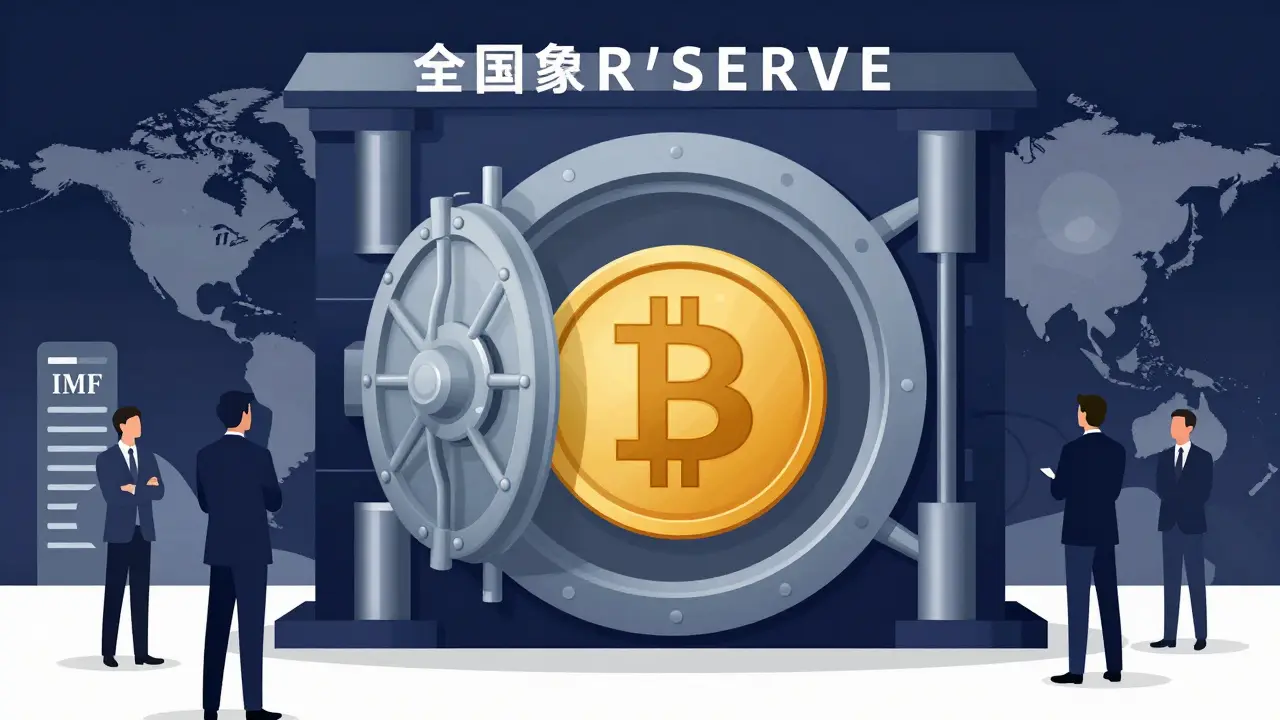
Here is the twist: just because the government stopped forcing people to use Bitcoin doesn't mean they stopped buying it. El Salvador shifted from a "retail strategy" (trying to get everyone to spend it) to a "reserve strategy" (holding it as a national asset). They created the Strategic Bitcoin Reserve Fund, a government-managed treasury of cryptocurrency intended to act as a long-term store of value for the state.
By early 2025, they were holding 688 Bitcoin, but they didn't stop there. In March 2025, they ramped up their purchases, bringing their total holdings to 6,102 coins. Even though the public isn't using it to buy coffee, the state is betting big that Bitcoin will be worth a fortune in the future. They've also kept the doors open for the tech crowd, hosting the PLANB Forum 2025 to keep the country on the map as a crypto-friendly hub for investors and developers.
Lessons Learned from a National Experiment
What does this tell us about the future of money? First, you can't mandate a culture shift. The government tried to force Bitcoin into existence through law, but organic trust is what actually drives adoption. People value stability over novelty when it comes to their dinner money. Second, the bridge between "technologically possible" and "practically useful" is a wide gap. Having a digital wallet is great, but if the merchant doesn't trust the price volatility, the tech is useless.
El Salvador's journey shows that while blockchain technology can provide the infrastructure, it can't provide the confidence. The transition from a mandatory system to a voluntary one is actually a more sustainable path. It allows the market to decide who wants to use the tech, rather than a politician deciding for everyone.
Is Bitcoin still legal tender in El Salvador?
Technically, yes, but with a huge catch. Since May 2025, the law was changed so that businesses are no longer forced to accept it. It is now voluntary, meaning a merchant can legally refuse to take Bitcoin as payment.
Why did El Salvador change its Bitcoin law?
The main driver was pressure from the International Monetary Fund (IMF). The IMF made a $1.4 billion loan conditional on El Salvador removing the mandatory nature of Bitcoin adoption to protect the country's economic stability.
What happened to the Chivo wallet?
The Chivo wallet saw massive initial downloads (3 million), but actual usage remained low. It also suffered from technical glitches and hacking incidents, which hurt public trust. As part of the IMF agreement, the government reduced its direct promotion of the wallet.
Does the government still own Bitcoin?
Yes. They shifted their focus to a Strategic Bitcoin Reserve Fund. As of March 2025, they hold approximately 6,102 coins, treating the asset as a long-term investment rather than a daily currency.
Did Bitcoin help with financial inclusion?
Only on the surface. While more people got digital wallets than traditional bank accounts, most didn't actually use them for financial activities. The gap in digital literacy and the volatility of the coin prevented it from becoming a real tool for the poor.
Next Steps for Travelers and Investors
If you're heading to El Salvador today, don't expect every street vendor to take Bitcoin. Your best bet is to carry US dollars, as they remain the dominant currency. However, if you're a tech enthusiast, you'll still find many "crypto-friendly" zones and businesses, especially in tourist areas, that happily accept digital assets.
For those looking at the investment side, keep an eye on the Strategic Bitcoin Reserve Fund. El Salvador has essentially become a corporate-scale Bitcoin holder. Their success or failure in managing this reserve will likely be the next big case study in how sovereign nations handle digital assets without risking their entire economy on a single volatile coin.
Mike Word
April 20, 2026 AT 00:49The shift to a reserve asset is actually a much more logical move for a sovereign nation than trying to force a volatile asset into the hands of people who just want to buy groceries. It is interesting to see how the IMF's influence still dictates national policy in the Global South. This reads like a classic case of the gap between ideological vision and the practicalities of ground-level economics.
Gary Lingrel
April 21, 2026 AT 05:55obviously a failure lol 🙄 imagine thinking a magic coin solves poverty while the government just buys more for itself
so typical of these power trips
Clair Geary
April 22, 2026 AT 23:24it is just wild how the dream evolved into something totally different but still kinda sparkly in its own way
loving the idea that they are still keeping the tech doors open for the wizards and devs to visit!
Jennifer Taylor
April 23, 2026 AT 14:40the IMF is just a front for the global elite to keep control over every single country. They didnt want Bitcoin because they cant track it like they do with the dollar. This was never about stability it was about the shadow government making sure they keep their grip on the money supply. Wake up people the reserve fund is probably just a way to move money into secret accounts that the public will never see.
Sarah Ingrams
April 25, 2026 AT 01:11makes sense why people wouldnt trust it with their life savings