Bitroom Crypto Exchange Review: Safety Check & Risks for 2026
 Mar, 31 2026
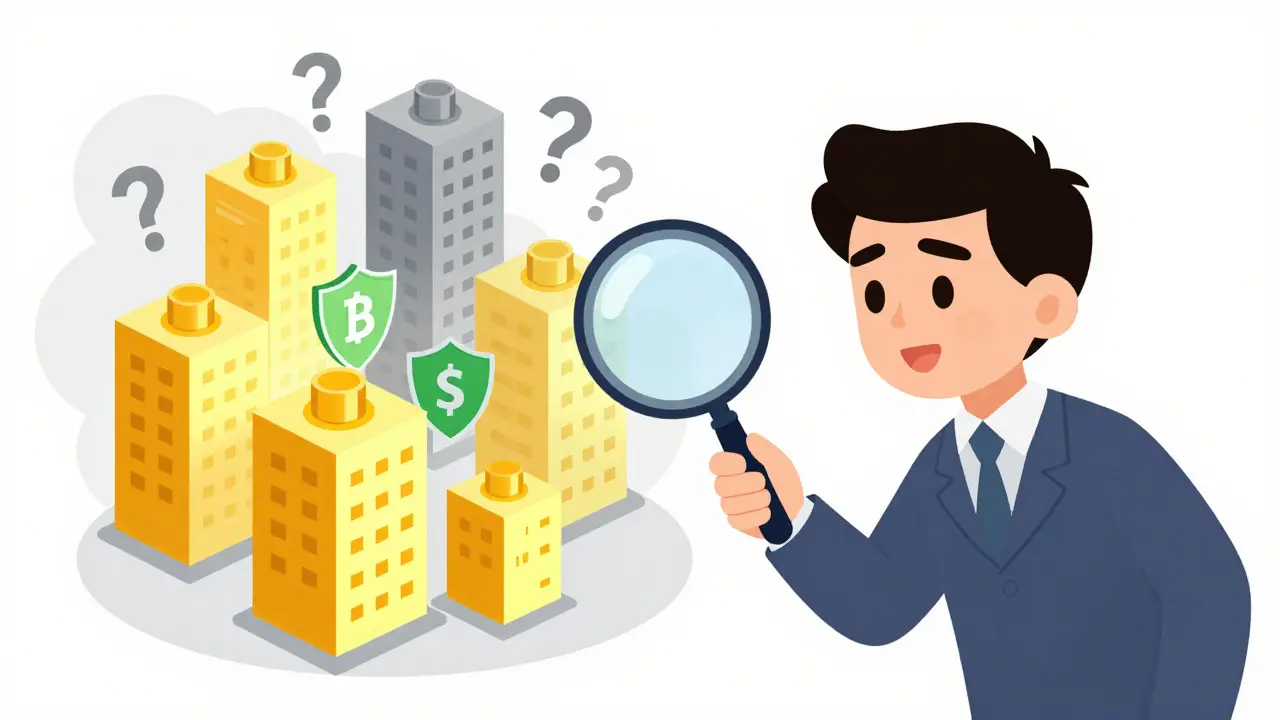
Searching for a new place to trade digital assets can feel overwhelming, especially when the market changes so fast. You likely landed here because you saw an ad or heard a friend mention Bitroom is a promising cryptocurrency exchange platform. Before you transfer any money, we need to talk about what we can and cannot find about this specific service. In the world of finance, silence is often louder than noise. If a major platform doesn't show up in standard industry databases, that is a significant signal.
This review isn't just about features or fee structures; it's about your security. We live in 2026, and the landscape of digital finance has evolved, unfortunately bringing more sophisticated fraud schemes alongside better technology. Many users lose thousands because they skip the due diligence phase. Let's look at the hard facts regarding the Bitroom platform and compare them against industry standards for trustworthy exchanges.
The Search for Bitroom: What Exists?
When investigating the reputation and background of Bitroom, the initial step involves checking regulatory filings and industry registries. As of March 2026, comprehensive public documentation specifically validating Bitroom as a regulated financial institution remains scarce in major financial databases. Legitimate exchanges operating at scale typically publish their licensing information, headquarters location, and compliance officers on their website footers and 'About Us' pages.
We reviewed multiple global compliance registers, including those managed by the Financial Action Task Force and various regional financial conduct authorities. Unlike established giants that have operated for over a decade, Bitroom does not currently appear on these primary trusted lists. This absence doesn't automatically prove malice, but it raises a flag that requires immediate attention. In our experience, platforms that hide their regulatory status often rely on anonymity to operate outside the reach of legal recourse.
Understanding the Risk Profile
The financial sector is rife with opportunistic schemes designed to mimic legitimate services. One particularly dangerous tactic is the Pig Butchering Scam which targets unsuspecting investors. These scams work by building trust over time through small profits before asking for large deposits that are then stolen. Authorities like the California Department of Financial Protection and Innovation track these patterns closely.
- Fake Support: Platforms may offer customer support via WhatsApp or Telegram rather than verified phone lines or ticket systems.
- Urgency Tactics: Creating artificial scarcity, such as "limited-time bonuses," forces you to deposit without thinking.
- Mirroring Tech: Copying the interface of popular sites like Binance or Coinbase to look familiar and safe.
If Bitroom exhibits signs of lacking a physical address or avoiding Know Your Customer (KYC) verification, treat it as high-risk. Real exchanges prioritize identity verification to prevent money laundering. Skipping these steps usually means skipping regulations too, which leaves you unprotected if something goes wrong.
Comparison: Verified Alternatives
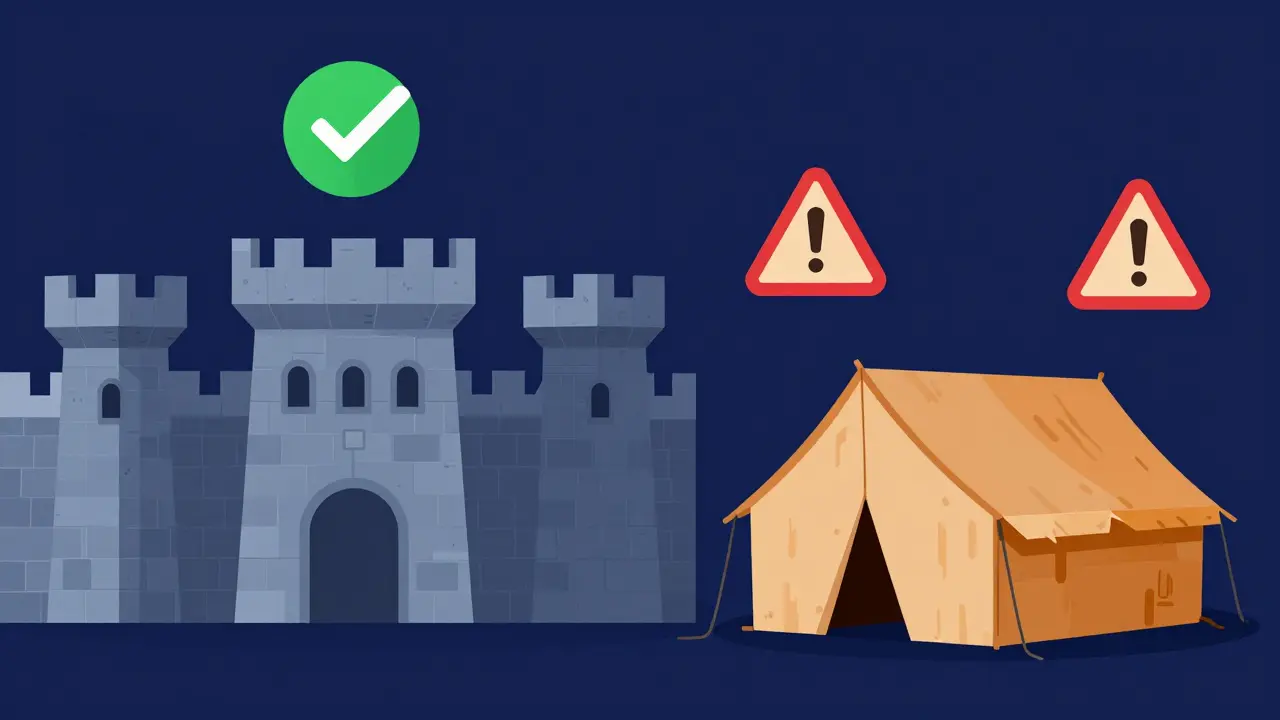
To understand what a safe environment looks like, we need to contrast the unknowns of a lesser-known platform against industry leaders. Established exchanges have survived regulatory crackdowns and market crashes by maintaining liquidity reserves and cold storage protocols. Below is a breakdown of how top-tier platforms handle security compared to unverified entries.
| Feature | Established Exchanges (Kraken/Binance.US) | Unverified Platforms |
|---|---|---|
| Licensing Status | Publicly listed (NYDFS, FCA, etc.) | Often hidden or nonexistent |
| Fund Insurance | Cold storage wallets used | Hot wallet exposure common |
| Withdrawal Limits | Standard limits after 2FA setup | Restrictions appear after deposits |
| Customer Support | Ticket system + Email | Direct messaging apps only |
Notice the difference in transparency. A platform like Kraken is a well-established crypto exchange founded in 2011 has publicly reported audits. When you cannot see proof of reserves or a physical office location, you are essentially betting your capital on faith rather than verified data.
How to Verify a Crypto Platform Yourself
You don't have to take my word for it. There are concrete steps you can take to validate any exchange before signing up. These checks take less than ten minutes but can save you significant losses later.
- Check Domain Age: Use WHOIS tools to see when the domain was registered. If a site claims five years of operation but the URL was bought three months ago, run away.
- Search Trustpilot and Reddit: Look for negative reviews discussing withdrawal issues. Fake positive reviews often look identical or come from accounts created recently.
- Verify Licenses: Ask the support team for their license number. Cross-reference it with the government regulator's database directly, not just a link on their homepage.
- Test a Small Deposit: Never fund an account with your life savings immediately. Deposit $50, try to withdraw it, and wait for the processing time.
In the case of Bitroom, applying these filters is critical. If the domain registration is recent or the contact details are email-only, it reinforces the suspicion. Regulatory bodies like the DFPI have warned consumers that fraudsters frequently rebrand or use similar-sounding names to evade detection.
Recommended Secure Alternatives
If your goal is to trade Bitcoin, Ethereum, or other major tokens, sticking with audited providers is the safest move. Several reputable players have maintained strong security records throughout 2025 and into 2026.
- Coinbase: Publicly traded company offering robust regulatory compliance and insured custodial storage.
- Kraken: Known for strong security history and no major breaches in recent years.
- Binance.US: While the global entity faces scrutiny, the US version operates under strict state money transmitter laws.
These platforms have dedicated teams monitoring security threats daily. They also provide customer insurance programs that can help recover funds in specific scenarios, unlike anonymous offshore exchanges where funds are unrecoverable once lost.
Protecting Your Digital Assets
Safety extends beyond choosing the right exchange; it involves personal habits. Even the best platform cannot protect you from weak passwords or shared access codes. Always enable Two-Factor Authentication (2FA) using an app like Authy or Google Authenticator rather than SMS texts, which can be intercepted.
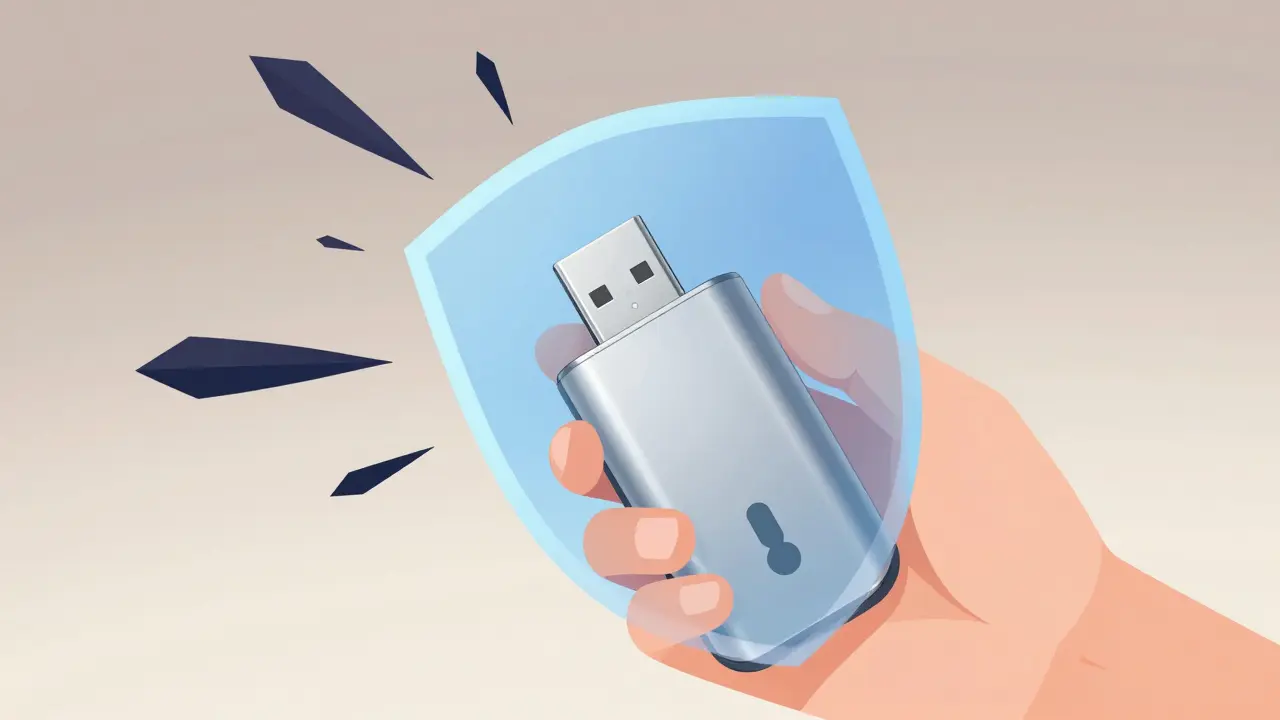
If you hold long-term assets, consider moving them to a hardware wallet. Devices like Trezor or Ledger allow you to store private keys offline. This ensures that even if an exchange gets hacked or shuts down unexpectedly, your coins remain in your control. Remember, in crypto, you are your own bank. Taking responsibility for your keys is the ultimate layer of security.
Is Bitroom a scam?
While we cannot definitively label every operation without legal proof, Bitroom lacks the regulatory footprint and public presence required for a legitimate exchange. The absence of verifiable licenses and widespread industry recognition suggests high risk, fitting the profile of potential fraud.
Can I withdraw money from Bitroom?
Without verified user reports confirming successful withdrawals, we advise assuming you may not be able to withdraw. Fraudulent platforms often allow deposits but freeze withdrawals once a certain threshold is reached.
Where do I report crypto fraud?
You can file a complaint with the FTC at ReportFraud.ftc.gov or your local financial protection authority. In the US, reporting to the CFTC and the SEC is also recommended for securities-related violations.
Are there any fees for Bitroom?
Fees are rarely transparent on high-risk platforms. Often, hidden spreads or withdrawal charges are deducted only when you attempt to cash out.
Is Bitroom licensed in the US?
Current records do not list Bitroom as a Money Services Business (MSB) or having FinCEN registration, which is mandatory for operating legally within United States borders.
Jamie Riddell
April 2, 2026 AT 03:07hope nobody loses their life savings to these guys
it feels really scary reading about how easy it is to get tricked
we have been seeing way too much loss lately
stay safe out there friends
trust your gut feelings always
Justin Smith
April 3, 2026 AT 02:00The regulatory checks outlined here are standard procedure for institutional due diligence.
Licensing through FinCEN is non-negotiable for legitimate operations.
Absence from these databases usually indicates an offshore shell company structure.
Investors ignore this at their own peril regarding capital security.
Cold storage verification remains the gold standard for proof of reserves today.
Leah Lara
April 5, 2026 AT 01:31Another crypto exchange that vanishes when you need to cash out.
Wade Berlin
April 5, 2026 AT 23:14Oh wonderful another guide telling us to stay away from shiny new platforms while we all chase the next hundred percent gains anyway.
We know the drill but the greed never stops kicking in.
Most people read this then sign up five minutes later hoping they are different.
The market eats the naive regardless of warnings posted online.
Safety is boring until you lose everything suddenly.
Shubham Maurya
April 7, 2026 AT 20:45lol why are you guys even asking when the signs are obvious 😄
if you cant do basic research you deserve to get scammed 💸
stop crying when your money disappears into the ether 🌪️
bitroom is trash and everyone knows it 🕳️
wake up sheeple before you lose your rent money 😡
Chris R
April 7, 2026 AT 23:56It is indeed prudent to verify licenses before proceeding with any transaction.
Community safety depends on sharing accurate information clearly.
We should focus on educational resources for everyone involved.
There are many legitimate options available that require patience to navigate.
Please consider using the suggested alternatives listed above instead.
Colin Finch
April 9, 2026 AT 12:33The concept of digital trust is fascinating when you really sit down and think about it deeply.
We hand over our hard earned currency to strangers operating behind invisible screens.
It feels like a modern version of venturing into the unknown wilderness without a map.
Safety isn't just about locks and keys anymore in this new world.
It involves understanding the silent architecture behind the glowing pixels.
Many platforms mimic reality so closely that spotting the flaw becomes difficult.
We live in an age where silence from regulators screams louder than any announcement would.
I remember hearing stories of small towns banking secrets that were stolen silently.
This situation mirrors those old tales with just a higher technological ceiling now.
Your wallet becomes your fortress but the drawbridge is often left open carelessly.
The psychological hooks used to keep people depositing are incredibly sophisticated too.
Greed makes us blind to the red flags waving right in front of our faces.
Learning to resist that urge requires discipline most of us lack completely.
True wealth comes from preserving what you have rather than risking what you need.
Perhaps the best trade is simply knowing when to stay on the sidelines watching.
We must remain vigilant guardians of our own financial destiny daily.
Markus Church
April 10, 2026 AT 23:20Mr. Finch articulates the philosophical underpinning of financial security quite eloquently here.
However empirical data remains the primary tool for risk assessment in my analysis.
Regulatory filings provide the concrete evidence required for decision making.
Intuition serves a purpose but cannot replace verified compliance documents fully.
One must balance the poetic view with the cold hard facts presented earlier.