Brazil Crypto Regulations and Consumer Protection Laws: A Guide to the New Rules
 Jun, 21 2026
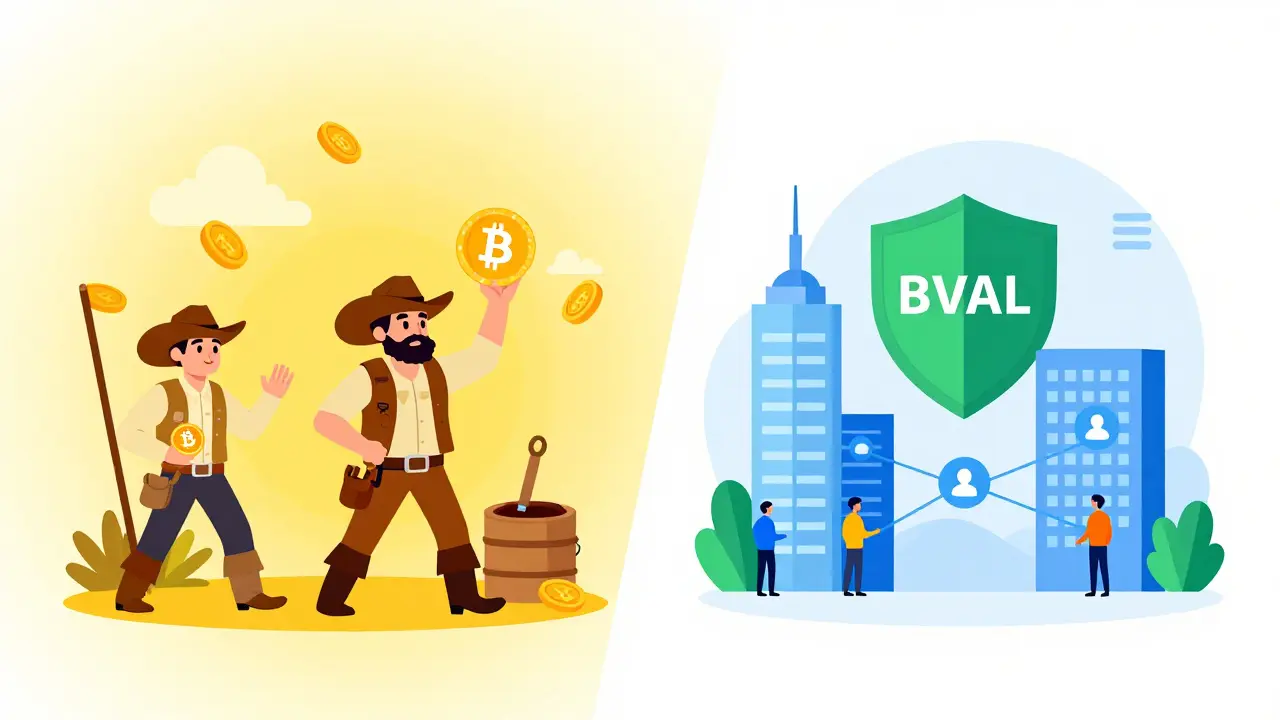
Imagine buying Bitcoin in Brazil today. You aren't operating in a legal gray area anymore. Since June 2023, you are participating in a fully regulated financial activity. But what does that actually mean for your money? If you are holding crypto or thinking about trading on an exchange, you need to understand that the rules have shifted dramatically from the 'wild west' days of early digital assets.
The core change is simple but powerful: Brazilian Virtual Assets Law (BVAL), also known as Law No 14.478/2022, defines virtual assets as digital assets with economic value, not legal tender. This law mandates that all service providers must register with the government. For consumers, this means the platform you use must be vetted. It means there is a clear path for recourse if things go wrong. It also means stricter identity checks. Understanding these regulations is no longer just for lawyers; it is essential for anyone managing wealth in digital form in Latin America's largest economy.
The Regulatory Landscape: Who Is Watching?
When we talk about regulation in Brazil, we are not talking about one single entity pulling all the strings. Instead, it is a coordinated effort between three major agencies. This multi-layered approach ensures that different aspects of crypto operations are overseen by experts in their specific fields.
The primary authority is the Central Bank of Brazil (BCB). Officially designated through Decree No 11,563/2023, the BCB acts as the main supervisor for Virtual Asset Service Providers (VASPs). Think of the BCB as the gatekeeper. They decide who gets to operate exchanges, wallets, and brokerages within the country. Their focus is on preventing financial crime, ensuring stability, and protecting the payment system. As of April 2025, cryptoassets were listed as a strategic priority in the BCB Regulatory Agenda 2025-2026, signaling that this oversight is here to stay and will likely expand.
Then there is the Securities and Exchange Commission (CVM). The CVM steps in when a crypto asset looks more like a stock than a currency. If a token represents ownership in a project, pays dividends, or functions as an investment contract, the CVM treats it as a security. This distinction matters because securities laws are much stricter regarding disclosure and investor protection. The CVM is expected to launch a public consultation on tokenisation frameworks by September 2025, which will clarify exactly which tokens fall under their watch.
Finally, we have the Financial Activities Control Council (COAF). COAF is Brazil’s financial intelligence unit. They do not regulate how you trade, but they monitor for suspicious activity. If an exchange sees a transaction that looks like money laundering or terrorism financing, they must report it to COAF. This creates a safety net that helps keep illicit actors out of the mainstream market.
| Authority | Primary Role | Focus Area |
|---|---|---|
| Central Bank of Brazil (BCB) | Licensing and Supervision | VASPs, Payment Stability, AML Compliance |
| CVM | Securities Oversight | Tokenized Securities, Investment Contracts |
| COAF | Financial Intelligence | Suspicious Activity Reporting, Anti-Money Laundering |
What This Means for Consumers: Protection vs. Privacy
For years, many users chose crypto because it offered anonymity. The new Brazilian framework trades some of that privacy for significant security benefits. The cornerstone of consumer protection in Brazil is not a separate "consumer rights" statute for crypto, but rather the strict licensing regime for service providers.
If you use an unregistered exchange, you have almost no protection. If that exchange disappears with your funds, you are out of luck. However, if you use a registered Virtual Asset Service Provider (VASP), several layers of protection kick in:
- Mandatory KYC Procedures: Every user must verify their identity. While this feels intrusive, it prevents bad actors from using the platform to launder money, which protects the integrity of the system for everyone.
- Operational Standards: Registered VASPs must adhere to strict operational guidelines set by the BCB. This includes requirements for cybersecurity, data protection, and financial reserves.
- Dispute Resolution Pathways: Because registered entities are part of the formal financial system, consumers can file complaints with the Central Bank. This provides a clear avenue for redress that simply does not exist for offshore, unregulated platforms.
- Regulatory Sandbox Testing: The BCB has implemented a Regulatory Sandbox mechanism. This allows innovative crypto services to be tested under controlled oversight before full market deployment. This reduces the risk of consumers being exposed to buggy or fraudulent new products.
However, this protection comes with responsibilities. You cannot remain anonymous. Your transactions are monitored. If you engage in suspicious behavior, your account can be frozen, and reports can be sent to COAF. For the average person buying Bitcoin for savings, this is a feature, not a bug. It means your asset is treated with the seriousness due to financial instruments.

The Stablecoin Factor: Why 90% of Volume Matters
One of the most striking aspects of the Brazilian crypto market is its reliance on stablecoins. According to Central Bank data, stablecoins account for approximately 90 percent of the country's crypto transaction volume. This dominance has forced regulators to prioritize stablecoin oversight above almost everything else.
Why are stablecoins so popular in Brazil? Inflation. Brazilians are accustomed to currency devaluation. When the Real fluctuates, people flock to US Dollar-pegged tokens like Tether (USDT) or USD Coin (USDC) to preserve purchasing power. This makes stablecoins less of a speculative asset and more of a critical infrastructure component for everyday finance.
Recognizing this, the Central Bank has flagged systemic risks posed by unregulated stablecoin use. Specific rules for stablecoins and asset tokenisation are planned for introduction in 2025. These rules will likely require issuers to hold adequate reserves, undergo regular audits, and maintain liquidity buffers. For consumers, this means greater confidence that your $1 worth of stablecoin will actually redeem for $1 when you need it.
The Central Bank has also clarified its position on Drex. Drex is a distributed-ledger-based infrastructure for tokenised bank deposits, loans, and government securities. It is important to note that Drex is not a Central Bank Digital Currency (CBDC) in the classic sense. It is a domestic platform designed to modernize Brazil's financial settlement systems. While Drex itself is not for retail speculation, its success demonstrates the government's commitment to integrating blockchain technology into the national financial fabric.
Navigating the New Foreign Exchange Rules
In September 2025, the Central Bank introduced new proposed rules affecting cryptocurrency exchanges through foreign exchange regulations. These regulations did not explicitly mention cryptocurrency, but their impact was immediate and significant. The goal was to bring the largely unregulated foreign exchange industry under supervision.
Here is what you need to know about these changes:
- Licensing Requirements: Forex providers, including those facilitating crypto-to-fiat conversions, must apply for licenses.
- Data Submission: Providers must submit customer transaction data to authorities.
- Transaction Caps: There is a single transaction value cap of $10,000 for certain types of transfers conducted through designated entry and exit points.
- Consultation Period: The consultation period for these proposed regulations continued until November 2, 2025.
For the average user, this means that moving large amounts of money in or out of Brazil via crypto may face additional scrutiny. Exchanges facilitating international transfers must ensure they comply with these forex rules. Platforms operating overseas without local partnerships may find themselves restricted from serving Brazilian clients. This is a crucial detail for anyone planning to move significant capital across borders.

How Brazil Compares to the Rest of the World
To truly appreciate Brazil's approach, it helps to look at the global context. Many countries are still struggling to define what crypto even is. The United States, for example, has recently moved toward a lighter touch regulation, often relying on enforcement actions rather than clear statutory guidelines. This creates uncertainty for businesses and consumers alike.
Brazil, by contrast, has chosen clarity over speed. By enacting the BVAL and establishing clear roles for the BCB, CVM, and COAF, Brazil has created a predictable environment. This structured consultative approach involves multiple public consultations and continuous communication with market participants. It demonstrates the BCB's commitment to innovation while aligning with international standards set by bodies like the Financial Action Task Force (FATF).
This regulatory contrast creates critical risk categories for global firms. Companies operating in Brazil must maintain robust compliance frameworks. They face regulatory risk from adapting to changing oversight in other jurisdictions while keeping up with Brazil's rigorous standards. They also face financial crime risk divergence, as Brazil emphasizes fraud investigations and links to criminal organizations more aggressively than some peers.
For the consumer, this means that Brazilian exchanges are often better equipped to handle complex compliance issues than their counterparts in less regulated markets. It also means that Brazil is positioning itself as a regional leader in comprehensive crypto oversight. This could attract institutional investment and foster a more mature market ecosystem.
Practical Steps for Crypto Users in Brazil
So, what should you do with this information? Here is a practical checklist to ensure you are staying compliant and protected:
- Check Registration Status: Before depositing funds, verify that your exchange is registered with the Central Bank of Brazil. The BCB maintains a public list of authorized VASPs. Do not trust marketing claims; check the official source.
- Complete KYC Thoroughly: Have your identification documents ready. Expect video verification or biometric checks. Delays in KYC completion can lead to account restrictions.
- Understand Tax Implications: While not covered in depth here, remember that crypto gains are taxable in Brazil. Keep detailed records of all transactions. The increased reporting requirements make tax evasion much harder.
- Monitor Stablecoin Policies: As new stablecoin rules take effect in 2025, pay attention to which tokens are supported by your exchange. Some unregulated stablecoins may be delisted.
- Beware of Forex Limits: If you plan to move large sums internationally, be aware of the $10,000 transaction cap and potential licensing issues with your provider. Plan your transfers accordingly.
The era of anonymous, unregulated crypto trading in Brazil is over. The current framework offers a balanced approach: it embraces innovation while prioritizing security and consumer protection. By understanding the roles of the BCB, CVM, and COAF, and by adhering to the requirements for VASPs, you can navigate the digital asset landscape with confidence. The rules are clear, the oversight is robust, and the future of finance in Brazil is increasingly digital.
Is cryptocurrency legal in Brazil?
Yes, cryptocurrency is fully legal in Brazil. The Brazilian Virtual Assets Law (BVAL) recognizes virtual assets as digital assets with economic value. However, they are not considered legal tender. All service providers must register with the Central Bank of Brazil to operate legally.
Who regulates crypto in Brazil?
Three main agencies regulate crypto in Brazil. The Central Bank of Brazil (BCB) oversees Virtual Asset Service Providers (VASPs) and payment stability. The Securities and Exchange Commission (CVM) regulates tokens classified as securities. The Financial Activities Control Council (COAF) monitors for money laundering and suspicious activities.
Do I need to verify my identity to buy crypto in Brazil?
Yes. All registered Virtual Asset Service Providers (VASPs) must enforce strict Know Your Customer (KYC) procedures. This means you must provide valid identification and verify your identity before trading. Anonymous accounts are not permitted on regulated platforms.
What are the new foreign exchange rules for crypto?
New regulations introduced in September 2025 aim to supervise the foreign exchange industry, including crypto-to-fiat conversions. Key changes include licensing requirements for providers, mandatory submission of customer transaction data, and a single transaction value cap of $10,000 for certain transfers.
How does Brazil protect crypto consumers?
Consumer protection is primarily achieved through the mandatory registration and authorization system for VASPs. Only compliant entities can offer services, ensuring they meet operational, cybersecurity, and financial standards. Consumers can file complaints with the Central Bank against registered providers, and the Regulatory Sandbox allows new services to be tested safely before full release.
Fede Faith
June 22, 2026 AT 09:28The stablecoin angle is the real story here. Ninety percent of volume in USDT or USDC? That's not speculation, that's survival against inflation. It makes total sense why Brazilians are flocking to dollar-pegged assets when the Real keeps wobbling. The BCB getting serious about reserve audits for these issuers is a massive win for retail users who just want their savings to hold value. If you're holding unbacked shitcoins, you're gambling. If you're using regulated stablecoins for hedging, you're being smart. This regulatory clarity actually protects the little guy from rug pulls more than any vague 'innovation' promise ever could.
Skm Shubham
June 23, 2026 AT 01:16Typical Western media spin. They call it 'protection' but it's just another layer of bureaucratic suffocation designed to kill innovation before it starts. The BVAL is essentially a compliance tax on freedom. You think the average Brazilian cares about COAF monitoring their transactions? No. They care that they can't move money without filling out forms that take longer than the transaction itself. This isn't safety; it's control. The 'wild west' days were inefficient yes, but they were also open. Now you have gatekeepers deciding who gets to participate in the digital economy based on arbitrary KYC hurdles that exclude the unbanked entirely.
Fede Faith
June 23, 2026 AT 04:34@Skm Shubham Look, I get the libertarian fantasy of anonymous trading, but let's be real. When an exchange vanishes with your funds because there was no oversight, who do you blame? The lack of rules. Registration doesn't stop innovation; it stops fraud. If you can't pass a basic identity check, maybe you shouldn't be handling other people's money or engaging in high-volume financial instruments. The sandbox environment allows tech to evolve while keeping the bad actors out. It's a balanced approach, not a suppression one.
Skm Shubham
June 23, 2026 AT 18:38@Fede Faith 'Balanced'? Please. Balance implies fairness. This is asymmetrical power. The state gets full visibility into your wallet movements, but you get zero recourse if the state decides your asset class is too risky next month. The 'sandbox' is just a cage with better lighting. And don't give me the fraud argument. Fraud exists in regulated markets too, often facilitated by the regulators themselves when bailouts happen. True security comes from code and decentralization, not from trusting a Central Bank that has historically failed to protect the currency's value.
Rob Aronson
June 25, 2026 AT 18:10From a DeFi protocol perspective, the tripartite regulatory structure (BCB/CVM/COAF) creates significant operational overhead for cross-border liquidity providers. The distinction between utility tokens and securities under CVM jurisdiction remains ambiguous until the September 2025 consultation concludes. However, the mandatory VASP registration aligns with FATF Travel Rule requirements, which facilitates institutional adoption. 🏦💼 The $10k forex cap is a minor friction point for HNWIs but negligible for retail. Overall, Brazil is becoming a Tier-1 jurisdiction for compliant crypto infrastructure, which reduces counterparty risk for global entities. Just ensure your KYC/AML stack is robust before integrating with local payment rails. 🚀📊
Danna Charris
June 26, 2026 AT 16:52Finally, some competence. Most countries are flailing around with enforcement actions instead of clear laws. Brazil actually reading the room and setting boundaries is refreshing. Keep your records clean and use registered platforms. It’s not rocket science.
Josh Dodson
June 28, 2026 AT 00:29hey guys i think this is huge news for us normal ppl. i always worried bout my bitcoin getting stolen or the exchnage running away. now knowing we can complain to the central bank feels way safer. just make sure u do ur kyc right so u dont get stuck. its a bit annoying having to show id but worth it i guess. hope the stablecoin rules help keep my usdt safe too. thanks for posting this info!
Eric Scheinberg
June 28, 2026 AT 15:37The delineation of responsibilities among the Central Bank, the Securities Commission, and the Financial Intelligence Unit represents a sophisticated maturation of the regulatory framework. It is imperative that market participants recognize that anonymity is no longer a viable feature within the formal financial ecosystem of Brazil. The requirement for Virtual Asset Service Providers to adhere to strict operational standards ensures a baseline of cybersecurity and financial resilience. Consumers must prioritize platforms that are fully compliant with Decree No 11,563/2023 to mitigate exposure to systemic risks associated with unregistered entities. The integration of blockchain technology through initiatives like Drex further underscores the government's strategic intent to modernize settlement systems rather than prohibit digital asset usage.
John Doe
June 29, 2026 AT 11:25I cannot stress enough how critical the dispute resolution pathways are for the average investor. For years, we operated in a vacuum where losing funds meant accepting defeat as the cost of doing business. Now, with the ability to file complaints directly with the Central Bank against registered VASPs, there is actual accountability. This shift fundamentally changes the risk profile of holding digital assets in Brazil. It transforms crypto from a speculative gamble into a legitimate component of a diversified portfolio. The mandatory KYC procedures, while intrusive to some, are the price we pay for this level of consumer protection and system integrity. Embrace the transparency.