British Columbia Crypto Mining Restrictions: What You Need to Know in 2026
 Feb, 20 2026
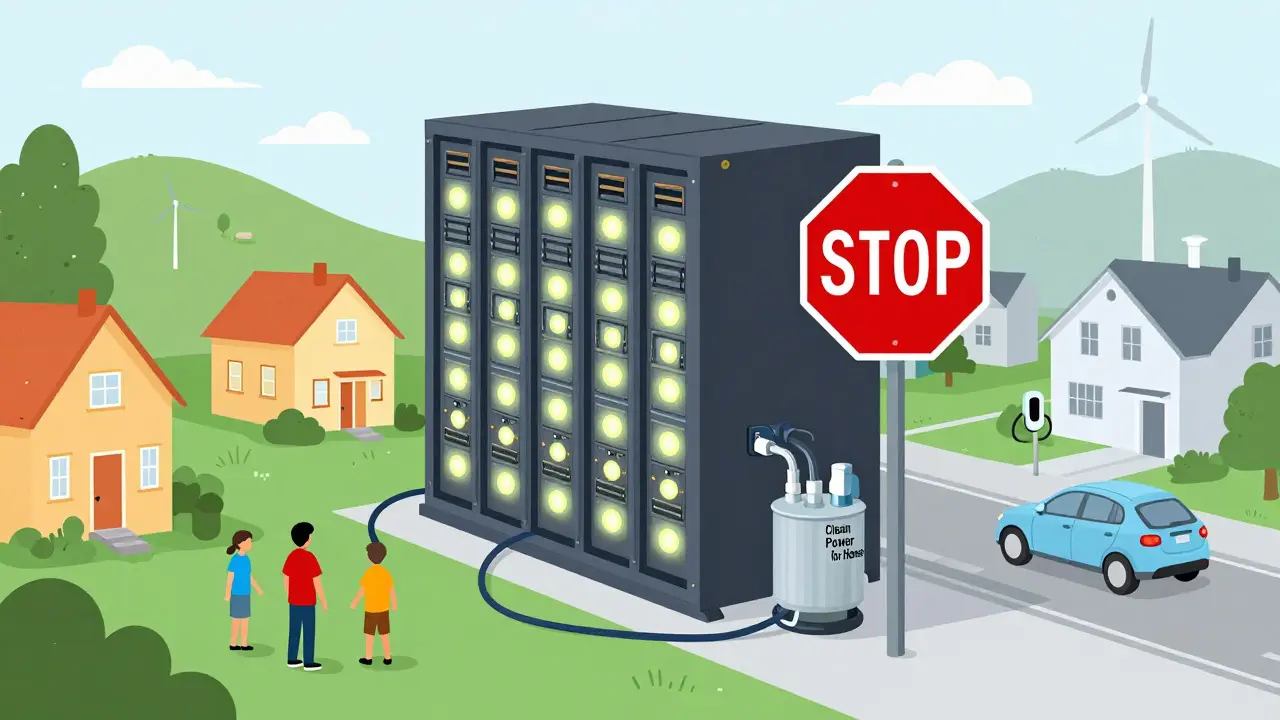
British Columbia isn’t just stopping crypto mining-it’s drawing a line in the sand over who gets to use its electricity. Since December 2022, the province has blocked new requests for power connections from cryptocurrency mining operations. What started as an 18-month pause became a 36-month freeze in spring 2024, and it’s still in effect as of February 2026. The rule is simple: no new mining farms can hook up to BC Hydro’s grid until at least December 2025. And even then, it’s not guaranteed they’ll be allowed back in.
Why BC Stopped Crypto Mining
It’s not about Bitcoin. It’s about power.
BC Hydro generates over 90% of its electricity from hydroelectric dams. That’s clean, renewable, and finite. When crypto mining companies started showing up with requests for a combined 1,403 megawatts of power, the province did the math. That’s enough electricity to power 570,000 homes-or 2.1 million electric vehicles-every year. And here’s the kicker: those mining rigs don’t create jobs. They don’t build infrastructure. They don’t help the province meet its climate goals.
The government’s priority? Getting homes heated with heat pumps, cars running on electricity, and factories going green. That’s what CleanBC is all about. Mining rigs, on the other hand, just sit there, 24/7, burning through power to run and cool thousands of computers. No value added. No local workers hired. Just a massive drain on a resource meant for people, not profit.
The Law Behind the Ban
BC didn’t just ask nicely. It changed the law.
In 2023, the provincial government passed the Energy Statutes Amendment Act (Bill 24). This gave Cabinet direct control over who gets electricity from BC Hydro-for mining or anything else. It bypassed the BC Utilities Commission, which normally handles power allocation disputes. Why? Because the Commission was moving too slow. Meanwhile, mining companies were lining up for gigawatts of power, and residents were already seeing pressure on their bills.
One company, Conifex Timber, tried to fight back. They were operating a mining facility for Greenidge Generation and wanted access to nearly half the output of the new Site C dam. They took the case to court. Twice. First in the B.C. Supreme Court. Then in the Court of Appeal. Both times, the courts sided with the province. The judges said BC Hydro’s job isn’t to maximize profits for miners-it’s to protect the public interest. That means keeping power available for homes, hospitals, and clean energy projects.

What About Vancouver’s ‘Bitcoin-Friendly’ Move?
Mayor Ken Sim of Vancouver tried to position the city as a crypto hub. In 2023, the city council passed a motion calling for Bitcoin adoption and even hinted at supporting mining. Sounds progressive, right?
But here’s the reality: cities can’t override provincial electricity rules. BC Hydro answers to Victoria, not Vancouver. No matter how many city council members cheer for Bitcoin, they can’t make the power company give miners more juice. The province has final say-and it’s not budging.
How Does BC Compare to Other Provinces?
Canada’s approach to crypto mining is split down the middle.
British Columbia, Manitoba, Quebec, and New Brunswick all moved to restrict or cap mining power. Manitoba froze new connections in 2022. Hydro-Québec raised rates and capped allocations. New Brunswick put a moratorium on large requests. Even Ontario considered cutting miners out of electricity cost-saving programs.
Then there’s Alberta. It’s the outlier. With a deregulated energy market and government support, Alberta became a magnet for miners. Companies there can buy power on the open market, often from natural gas plants, and run rigs without restrictions. The contrast is stark: one province says, ‘We need this power for people,’ while the other says, ‘Let the market decide.’
What’s Next After December 2025?
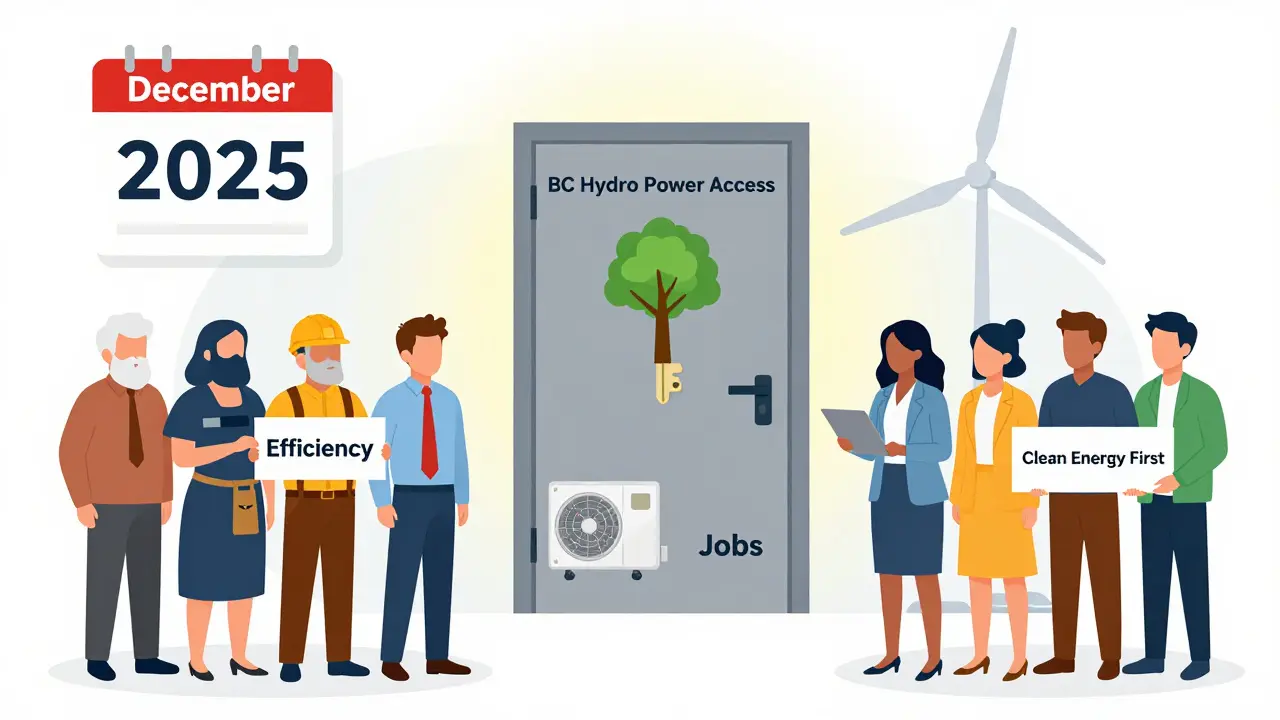
The current freeze ends in December 2025. But don’t assume mining will come roaring back.
The government has been holding talks since summer 2023. Over 400 groups showed up-First Nations, municipalities, utilities, and even mining companies. The message was clear: if mining returns, it has to meet strict conditions. Think energy efficiency standards, local job creation, and proof that it doesn’t interfere with clean energy goals.
Minister Josie Osborne said it plainly: ‘We’re not against innovation. We’re against wasting our clean power on something that gives back almost nothing.’
There’s talk of a licensing system. Maybe miners will have to pay a premium for power. Maybe they’ll have to use only surplus electricity-not the kind families rely on. Maybe they’ll have to partner with Indigenous communities or fund local electrification projects. No one knows yet. But the door isn’t closed. It’s just locked-with a very specific key.
Why This Matters Beyond BC
This isn’t just a local policy. It’s a blueprint.
As global Bitcoin prices hit $107,000 in early 2026, mining demand is surging. Countries are choosing sides: some offer tax breaks, others ban mining outright. BC’s move shows that even in a country like Canada-where low electricity costs once made it a mining hotspot-public interest can override profit.
It proves that governments don’t have to choose between climate goals and technology. They can demand that tech serve the public, not just shareholders. And if BC can do it with hydro power, other regions with clean energy grids-like Quebec, Washington State, or Norway-might follow.
The message is simple: if your business uses massive amounts of public resources, you better have a good reason why. And right now, crypto mining doesn’t.
Richard Cooper
February 21, 2026 AT 03:41Danny Kim
February 21, 2026 AT 06:14Kenneth Genodiala
February 21, 2026 AT 12:22kati simpson
February 22, 2026 AT 11:39Sony Sebastian
February 22, 2026 AT 14:32Brian Lemke
February 23, 2026 AT 05:53Cheryl Fenner Brown
February 24, 2026 AT 18:36Michael Teague
February 26, 2026 AT 07:21Shannon Black
February 27, 2026 AT 20:03