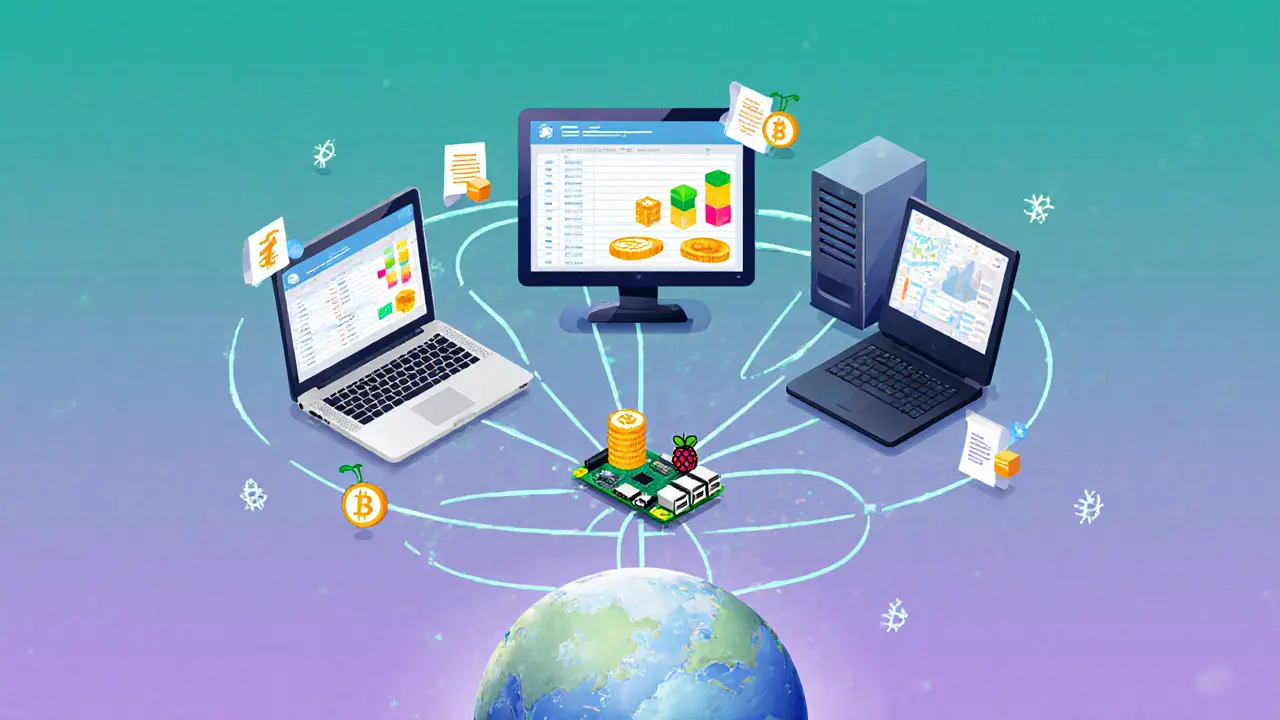
Nodes are the backbone of blockchain networks-computers that store, verify, and share transaction data. Learn how full nodes, mining nodes, and lightweight nodes work together to keep blockchains secure and decentralized.
Technology in Crypto: Nodes, AI Tools, and How They Power Blockchain
When you think about technology in crypto, the systems and tools that make blockchain and digital currencies work. Also known as crypto infrastructure, it's not just about price charts—it’s about the invisible engines keeping everything running. Without these layers, Bitcoin wouldn’t be secure, Ethereum couldn’t process smart contracts, and airdrops wouldn’t reach your wallet. This isn’t sci-fi—it’s real code, real machines, and real people running them every day.
At the heart of every blockchain is the blockchain node, a computer that stores, verifies, and shares transaction data across the network. These aren’t fancy servers in a data center—they’re laptops, Raspberry Pis, and cloud instances run by regular people. Full nodes keep the whole chain honest. Mining nodes add new blocks. Lightweight nodes let you check your balance without downloading the whole ledger. Together, they make decentralization possible. If one node goes down, the network keeps going. That’s the power of distributed tech. And it’s not just about Bitcoin. Every coin, every DeFi app, every NFT marketplace relies on this same foundation.
But tech in crypto isn’t just about chains and nodes. It’s also about understanding people. That’s where sentiment analysis tools, software that reads social posts, news, and forums to detect if traders are feeling optimistic or panicked. Also known as NLP sentiment analysis, these tools scan millions of tweets and Reddit threads in seconds, spotting mood shifts before prices move. Traders use them to avoid panic sells. Customer support teams use them to fix problems before users quit. And yes—they’re powered by AI that’s getting smarter every year. These aren’t guesswork tools. They’re data-driven, real-time signals that help you trade smarter, not harder.
So what ties these together? It’s simple: technology in crypto is what makes trust possible without middlemen. Nodes keep the ledger safe. Sentiment tools keep the market readable. One handles the backend. The other reads the frontend. Both are essential. You don’t need to build a node or train an AI model to benefit from them—but knowing how they work helps you spot hype, avoid scams, and find real opportunities.
Below, you’ll find clear, no-fluff breakdowns of exactly how these systems work—whether you’re checking your first airdrop or trying to understand why a coin spiked after a single tweet. No jargon. No fluff. Just what you need to know to navigate crypto with more confidence.
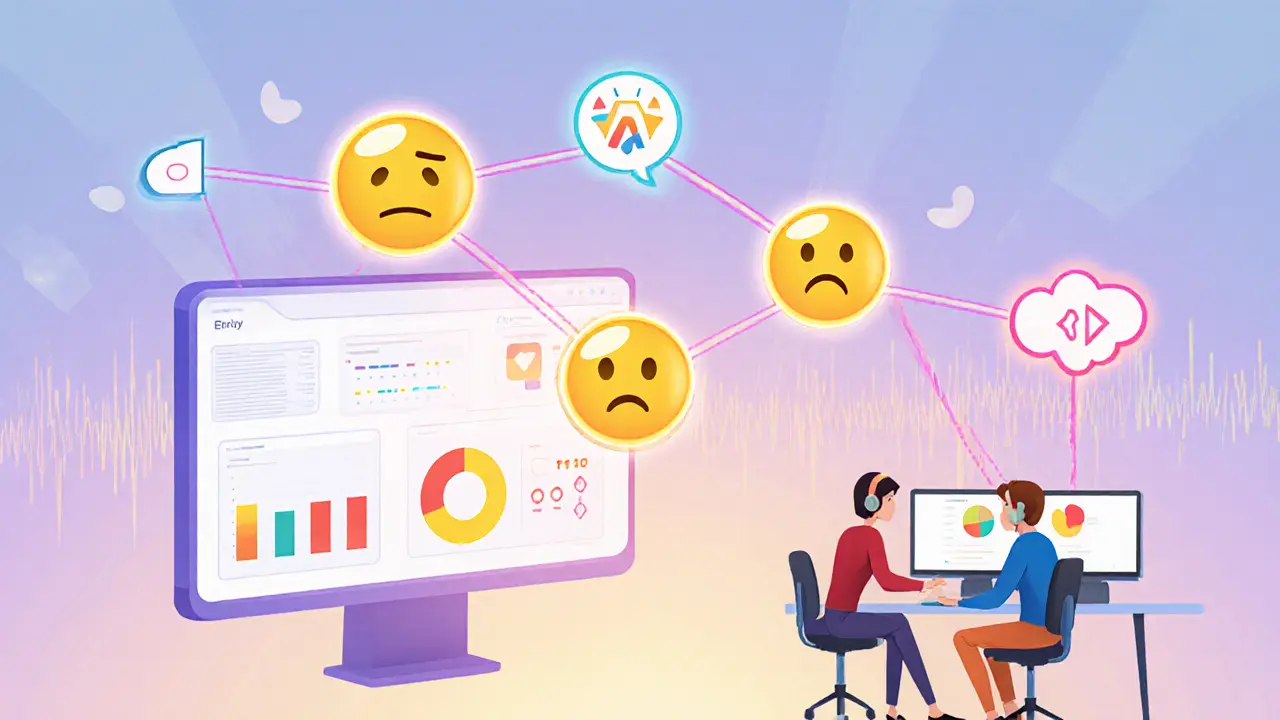
Sentiment analysis tools use AI to detect customer emotions in real time, helping businesses reduce churn, improve support, and predict behavior. Learn which tools work best in 2025 and how to use them without overcomplicating things.