Creator Token Models: How Creators Monetize Directly in Web3
 Jul, 29 2026
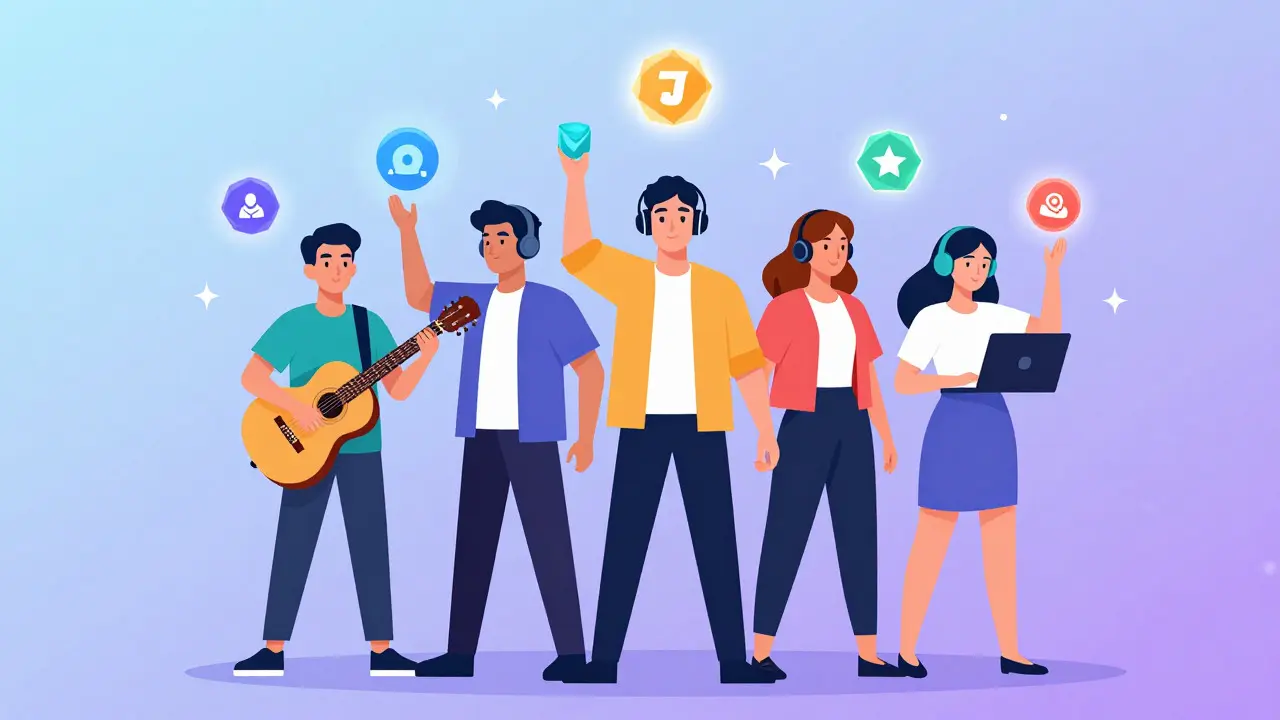
Imagine waking up to a notification that your latest video earned you not just views, but actual ownership stakes from your audience. That is the promise of Creator Token Models. These are economic frameworks built on blockchain technology that allow content creators-whether they are YouTubers, musicians, writers, or podcasters-to issue their own digital tokens. Unlike traditional platforms where algorithms dictate reach and revenue, these models give creators direct control over their monetization and community engagement.
In 2026, the creator economy has matured beyond simple ad revenue sharing. Creators are looking for ways to build sustainable businesses that aren't held hostage by changing platform policies or demonetization risks. Creator token models offer a solution by turning fans into stakeholders. But how do these models actually work, and which one fits your needs? Let's break down the mechanics, the benefits, and the pitfalls of this emerging landscape.
What Are Creator Token Models?
At its core, a Creator Token Model is a system where a creator issues a unique cryptocurrency token that represents value within their specific ecosystem. This isn't just a meme coin with no utility. It is a structured economic tool designed to deepen the relationship between the creator and their audience.
Think of it like a loyalty program, but with teeth. In a traditional loyalty program, points expire, have limited redemption options, and hold no real-world value outside the brand. A creator token, however, is often an ERC-20 token (on Ethereum) or SPL token (on Solana), meaning it can be traded, held, or used across compatible wallets. The "model" refers to the specific rules governing how these tokens are created, distributed, and utilized.
There are generally three main structures you will encounter:
- The Utility Model: Tokens grant access to exclusive content, early ticket sales, or voting rights on creative decisions (like choosing the next song single).
- The Revenue-Sharing Model: Holding the token entitles the user to a percentage of the creator's future earnings, such as NFT sales or merchandise profits.
- The Governance Model: Token holders vote on major business directions, effectively making the community co-owners of the brand's trajectory.
Each model serves a different purpose. A musician might prefer the utility model to sell concert tickets, while a software developer might use the governance model to decide which features to build next.
Why Creators Are Switching to Blockchain
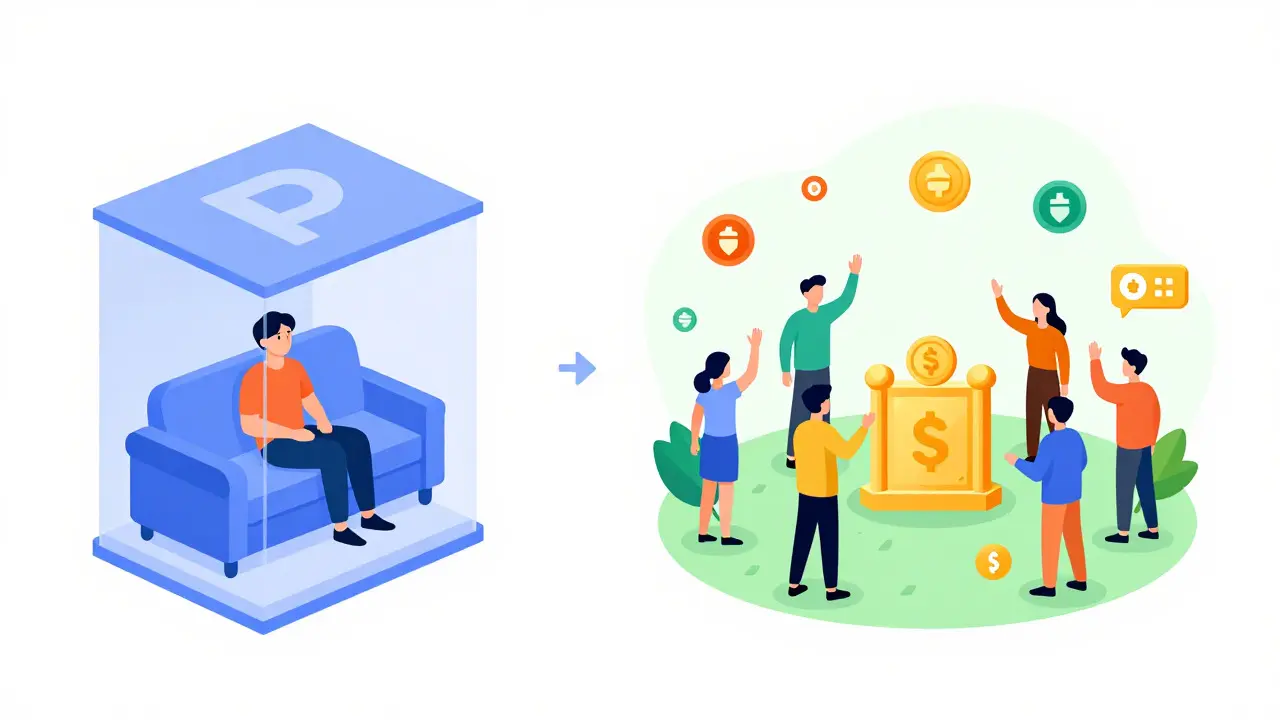
You might wonder why anyone would complicate their life with blockchain when Patreon exists. The answer lies in ownership and liquidity. On centralized platforms, you are renting your audience. If the platform bans you, changes its fee structure, or goes bankrupt, your income stream vanishes overnight. With a creator token model, the asset lives on the blockchain, independent of any single company.
Furthermore, tokens introduce liquidity. In a subscription model, if a fan wants to stop paying, they cancel. In a token model, a fan who wants to exit can sell their tokens to another fan. This creates a secondary market that keeps the ecosystem active even if individual participants leave. It turns passive consumers into active investors who have a financial incentive to promote the creator's success.
Consider the case of a popular indie game developer. Instead of just selling copies of the game, they issue a token. Players earn tokens by playing, reporting bugs, or creating mods. They can then spend those tokens on in-game skins or trade them. The developer gets engaged users; the users get assets they actually own. This symbiotic relationship is hard to replicate on Web2 platforms.
Key Components of a Successful Token Model
Not all token launches succeed. Many fail because they treat the token as a cash grab rather than a utility tool. To build a robust model, you need to address four critical components:
- Total Supply and Distribution: How many tokens exist? If you mint millions, inflation dilutes value. If you mint too few, scarcity drives prices up, excluding new fans. A common strategy is a fixed supply with a portion reserved for the community, a portion for the creator team, and a portion locked in a treasury for future development.
- Utility Design: What can you do with the token? Without clear use cases, the token becomes speculative. Utilities should range from low-friction actions (voting on a poll) to high-value perks (meeting the creator).
- Tech Stack Compatibility: Which blockchain do you use? Ethereum offers security but high gas fees. Solana or Polygon offer speed and low costs, which is better for micro-transactions. Choosing the wrong chain can price out your average fan.
- Legal Compliance: This is the biggest hurdle. If your token promises profit based on the efforts of others, regulators like the SEC may classify it as a security. Most successful models avoid this by focusing on utility and consumption rather than investment returns.
Getting these right requires more than just technical skill; it requires product thinking. You are building an economy, not just a website.
Comparison: Traditional vs. Tokenized Monetization
| Feature | Traditional Subscription (e.g., Patreon) | Creator Token Model |
|---|---|---|
| Ownership | Platform owns the data and relationship | User owns the token in their wallet |
| Liquidity | None (cancel anytime) | High (tradeable on exchanges) |
| Fees | 10-15% platform cut + payment processing | Blockchain gas fees + potential exchange fees |
| Audience Role | Passive consumer | Active stakeholder/investor |
| Risk | Platform dependency/bans | Market volatility/regulatory uncertainty |
This table highlights the trade-offs. Traditional models are easier for beginners because they require no crypto knowledge. Token models offer greater autonomy and potential upside but come with higher complexity and risk.

Pitfalls to Avoid When Launching a Token
If you are considering launching a creator token, beware of common mistakes that have doomed previous projects. First, don't launch without a clear roadmap. Fans won't buy into hype alone; they need to see tangible utility. Second, avoid excessive centralization. If you hold 90% of the supply, your community will view you as a threat, not a leader. Distribute power wisely.
Third, underestimate the legal landscape at your peril. Consult with a lawyer who understands securities law before issuing anything that looks like an investment contract. Finally, ignore the user experience. If your fans need a PhD in cryptography to buy your token, they won't bother. Use fiat-on-ramp services that allow credit card purchases seamlessly.
The Future of Creator Economies
As we move through 2026, we are seeing a shift from "fan tokens" (which were largely speculative) to "utility tokens" that provide genuine value. We expect to see more integration between social media platforms and blockchain wallets. Imagine liking a post and automatically earning a micro-token that you can later redeem for discounts. This frictionless adoption will drive mainstream usage.
We also anticipate stricter regulations leading to clearer guidelines. While this might slow down innovation initially, it will bring institutional trust, allowing larger brands and creators to enter the space safely. The creators who thrive will be those who focus on community building first and tokenomics second.
Is a creator token considered a security?
It depends on how it is structured. If the token promises profits derived primarily from the efforts of the creator or a third party, it may be classified as a security by regulators like the SEC. To mitigate this, most models focus on utility (access, voting, goods) rather than financial returns. Always consult legal counsel before launching.
Which blockchain is best for creator tokens?
For most creators, Layer 2 solutions like Polygon or high-throughput chains like Solana are ideal due to low transaction fees and fast speeds. Ethereum Mainnet is secure but expensive for small transactions. Choose a chain that aligns with your audience's existing wallet preferences.
How do fans buy creator tokens?
Fans typically buy tokens through decentralized exchanges (DEXs) like Uniswap or centralized exchanges (CEXs) if listed. However, user-friendly platforms now offer "fiat ramps," allowing fans to purchase tokens directly with credit cards or bank transfers, abstracting away the complexity of crypto wallets.
Can I lose money investing in a creator token?
Yes. Like any cryptocurrency, creator tokens are volatile. Their value is driven by demand, utility, and the creator's continued relevance. If the creator loses popularity or fails to deliver promised utilities, the token price can drop significantly or go to zero. Never invest more than you can afford to lose.
What is the difference between a fan token and a creator token?
The terms are often used interchangeably, but traditionally, "fan tokens" referred to sports club tokens issued by large entities (like Socios.com). "Creator tokens" usually refer to individual influencers or artists issuing their own tokens. Both serve similar purposes, but creator tokens tend to be more personalized and community-driven.
Nick Darring
July 29, 2026 AT 09:24Look, I read this whole thing and honestly it feels like we are just replacing the middleman with a digital one that charges gas fees. The article talks about liquidity and ownership as if these are magic bullets for every creator out there, but let's be real for a second because most of us aren't tech bros who understand ERC-20 standards or how to secure a private key without losing our shirts. You have this indie game developer example where players earn tokens by reporting bugs which sounds cute in theory until you realize that the average gamer just wants to play the damn game not manage a portfolio of speculative assets that might crash because the dev posted a bad tweet. And don't even get me started on the legal compliance section because saying consult a lawyer is like telling someone to fix their car by reading the manual when they don't even know what an engine is. The barrier to entry is still massive despite all this talk about fiat ramps and user experience improvements because trust is the hardest currency to mine and right now the crypto space is full of rugs and scams that make Patreon look like a fortress of safety. So while I get the appeal of direct monetization I think we are solving a problem that doesn't exist for 99% of creators who just want to pay their rent without worrying about SEC regulations or blockchain volatility.
Lorraine Surringer
July 30, 2026 AT 03:03oh my god finally someone said it!! i am so tired of people acting like blockchain is the answer to everything when half the time you cant even log into your wallet without crying. its so exhausting trying to keep up with all these new terms like spl tokens and layer 2 solutions when i just want to support my favorite podcaster without needing a degree in computer science. plus the idea that fans become investors makes me nervous because then everyone starts judging the content based on price charts instead of whether the episode was actually good or not. it feels like such a cash grab tbh.
Alex Di Mango
July 30, 2026 AT 08:39I see where Nick is coming from regarding the complexity, but I think there is genuine potential here if we approach it with an open mind. The shift from passive consumption to active stakeholder participation could really deepen the connection between artists and their audiences, provided the utility is clear and not just hype. It is definitely a learning curve, but many communities are already helping each other navigate these tools, which fosters a sense of shared purpose beyond just financial gain. We should encourage innovation while remaining cautious about the risks involved.
Amor Jordan
July 30, 2026 AT 13:36It is fascinating to consider how this model changes the dynamic, yet I cannot help but feel a bit overwhelmed by the sheer amount of responsibility placed on the fan. When you turn a listener into an investor, does the art suffer under the weight of expectations? I worry that creators will start making decisions based on token holder votes rather than their own artistic vision, leading to a homogenized product designed solely to protect asset value. It requires a delicate balance to maintain authenticity while managing a community that has financial skin in the game, and I am not sure many creators are emotionally equipped for that kind of pressure.
Eden Tadesse
July 30, 2026 AT 22:53i mean its cool but why do i need a wallet to buy merch?? just let me use my credit card like normal ppl lol