Cryptocurrency Restrictions in Ecuador: A Complete Guide to Buying, Selling, and Staying Legal
 Aug, 9 2026
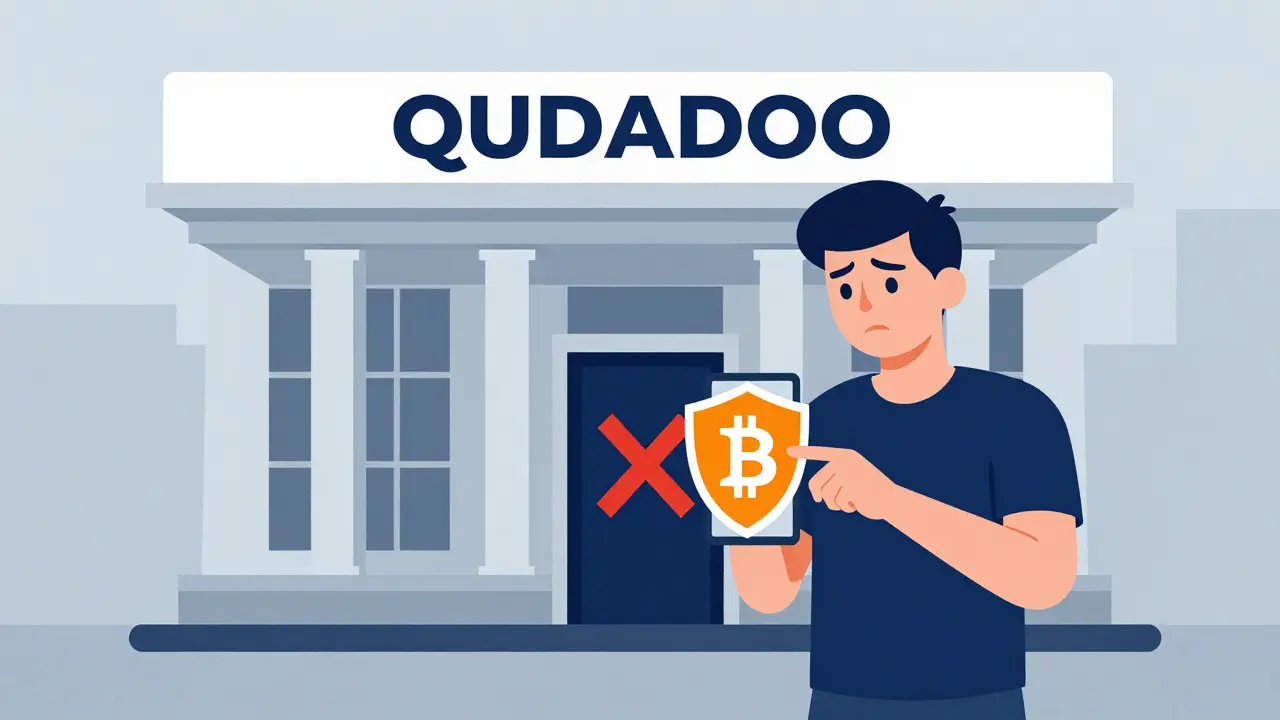
Imagine trying to send money home or save for the future, only to find that your bank blocks every attempt to touch digital assets. This is the daily reality for many people living in Ecuador. While the rest of Latin America races to regulate and embrace blockchain technology, Ecuador stands apart with a complex, restrictive stance on cryptocurrencydigital currencies like Bitcoin and Ethereum that operate on decentralized networks.
If you are an expat, a local resident, or someone sending remittances to family in Quito or Guayaquil, understanding these rules is not just about compliance-it’s about keeping your money safe. The short answer? You aren’t banned from owning crypto, but spending it or moving it through traditional banks is nearly impossible without hitting a wall.
The Legal Gray Area: Owned But Not Accepted
To understand why buying crypto in Ecuador feels like navigating a minefield, you have to look at the official stance. The Central Bank of Ecuador (BCE), which manages the country’s monetary policy, has been clear since its August 2024 statement: cryptocurrencies are neither legal tender nor authorized means of payment. Under Article 94 of the Organic Monetary and Financial Code, the US dollar is the only currency allowed for transactions.
This creates a confusing "gray area." On one hand, no law explicitly bans you from holding Bitcoin in a digital wallet. On the other hand, the financial system is designed to block any transaction that looks like it involves crypto. If you try to use a credit card to buy tokens on a global exchange, the transaction will likely be flagged and rejected by your bank. The BCE argues this protects monetary stability in a dollarized economy, but critics say it pushes users into risky, unregulated corners.
Why Banks Block Crypto Transactions
You might wonder why your bank account gets frozen when you transfer funds to a known exchange. The reason lies in strict oversight by two key bodies: the Superintendency of Banks (SB) and the Monetary and Financial Policy and Regulation Board (JPRM).
The SB maintains a public list of unauthorized entities, and almost all major international exchanges-like Binance, OKX, or Coinbase-are on it. When your bank sees a transfer to one of these entities, they are legally mandated to refuse it unless specific licensing exists, which currently doesn’t. Here is how the restriction plays out in practice:
- Credit/Debit Cards: Card acquirers flag crypto purchases as high-risk. Your purchase fails before it even leaves your bank.
- Bank Transfers: Direct wire transfers to exchanges are routinely blocked. Some users report having accounts frozen after repeated attempts.
- Payment Processors: Services like PayPal or local digital wallets often lack integration with crypto platforms, leaving few bridges between fiat and digital assets.
This isn’t just bureaucratic red tape; it’s a deliberate strategy to prevent capital flight. In late 2023, Ecuador saw over $1.2 billion in unexplained capital outflows, fueling fears among regulators that unchecked crypto adoption could destabilize the fragile banking sector.
How People Actually Buy Crypto in Ecuador
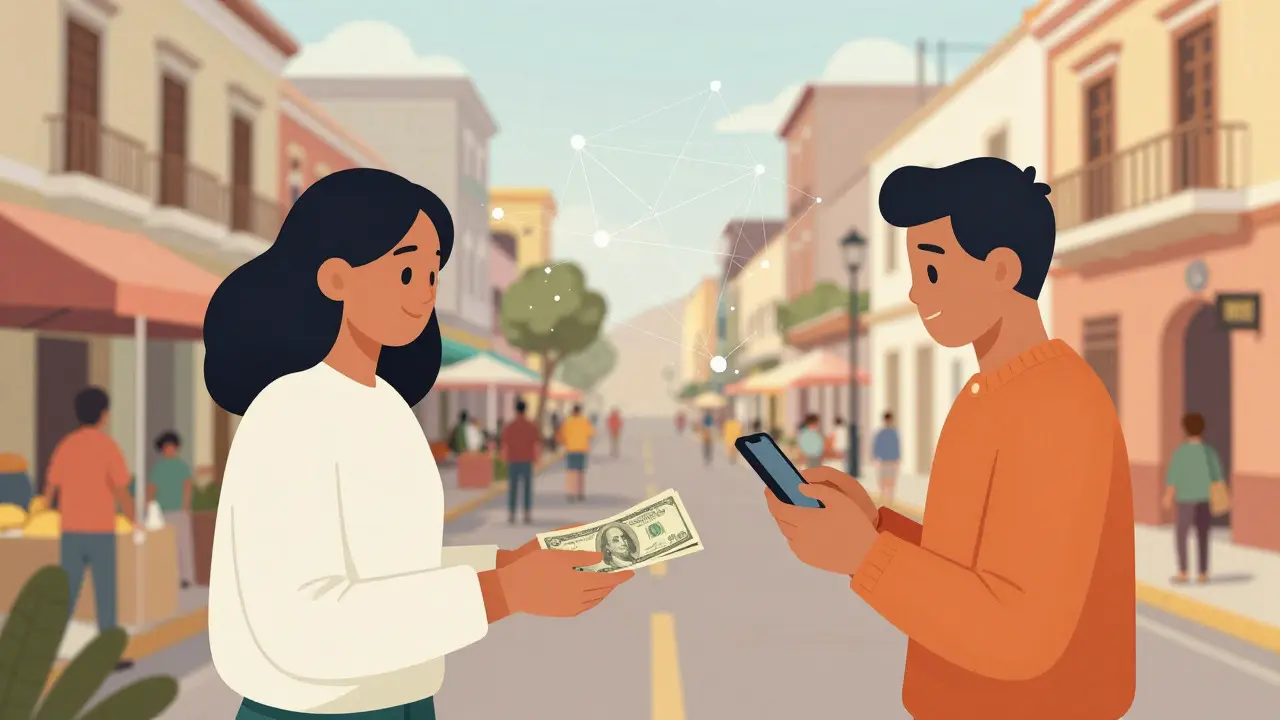
If banks are closed doors, how do the estimated 500,000 Ecuadorians who own cryptocurrency actually get their hands on it? The answer is Peer-to-Peer (P2P) trading and informal Over-the-Counter (OTC) desks.
P2P platforms allow individuals to trade directly with each other. Instead of using a bank transfer, buyers and sellers meet in person or use trusted escrow services within apps like Binance P2P or Mercado Bitcoin. Cash trades are common, especially in cities like Guayaquil and Quito. However, this method comes with significant risks:
- Premiums: Because liquidity is low and risk is high, cash transactions often carry premiums of 8% to 12% above global market prices.
- Fraud: Without bank protection, scams happen. Surveys indicate that nearly a quarter of local crypto users have encountered fraud attempts.
- Verification Hurdles: Setting up reliable P2P methods can take weeks, involving multiple identity checks across different platforms.
For those seeking larger amounts, Telegram-based OTC desks operate in the shadows. These operators settle transactions in USD cash or stablecoins like USDT. While convenient, there is zero consumer protection if something goes wrong. You are trusting an individual, not an institution.
Taxes and Reporting: What the SRI Wants
Buying crypto is hard enough, but don’t forget the taxman. The Internal Revenue Service (SRI) treats realized cryptocurrency gains as Ecuador-source income. This means if you sell Bitcoin for a profit, you owe taxes on that gain.
The rates are steep compared to some neighbors. Individuals face progressive tax rates up to 35%, while firms pay 25%. There is no special "crypto tax" category; it falls under general capital gains or business income depending on how you classify your activity. Most users struggle with this because:
- There is no clear government guidance on how to report decentralized finance (DeFi) yields or staking rewards.
- International exchanges rarely provide tax forms tailored to Ecuadorian regulations.
- Many transactions happen in cash via P2P, making paper trails difficult to establish.
Failing to report these gains can lead to audits and penalties. Given the lack of local expertise, many residents rely on international tax software or hire specialized accountants familiar with both local laws and blockchain mechanics.
Mining in Ecuador: High Costs, Low Rewards
What about mining? It’s not technically illegal, but it’s economically unviable for most. Electricity costs in Ecuador average $0.145 per kWh, which is significantly higher than in mining-friendly countries like Paraguay or Argentina. Add to that frequent power outages in the Andean region and import duties of 35% on computing hardware, and the math simply doesn’t work.
Most mining activity is limited to small-scale residential operations. The total hash rate contributed by Ecuador is negligible-less than 0.0001% of global capacity. For serious miners, the barriers to entry are too high, and the regulatory uncertainty makes long-term investment risky.
| Country | Legal Status | Banking Access | Tax Rate on Gains |
|---|---|---|---|
| Ecuador | Not legal tender; gray area for ownership | Blocked by most banks | Up to 35% (Individuals) |
| Paraguay | Legal; requires registration | Allowed with compliance | 0% (No capital gains tax) |
| Mexico | Virtual Assets (Regulated) | Licensed providers only | Up to 35% |
| Peru | Registered VASPs required | Restricted but evolving | Variable |
Future Outlook: Will Things Change?
As of 2026, the pressure for change is mounting. With half of Ecuador’s adult population unbanked, the demand for alternative financial solutions is real. Remittances alone amount to $3.8 billion annually, with fees averaging 6.3%-far above the UN target of 3%. Crypto offers a cheaper, faster alternative, yet the government remains hesitant.
The Central Bank has explored creating a retail Central Bank Digital Currency (CBDC) pegged to the US dollar. This could modernize payments without threatening dollarization. However, no launch date has been confirmed. Meanwhile, new FinTech regulations introduced in early 2025 require local incorporation and minimum capital of $200,000 for service providers, raising the barrier for startups wanting to build crypto-friendly infrastructure.
Experts are divided. Some predict regulatory easing by 2027 due to economic pressures, while others believe the BCE will maintain strict controls to protect monetary sovereignty. Until then, users must navigate the current landscape with caution.
Is cryptocurrency illegal in Ecuador?
No, owning cryptocurrency is not illegal. However, it is not recognized as legal tender, and using it for payments is prohibited. Banks are restricted from processing crypto-related transactions, creating a practical barrier to entry.
Can I use my debit card to buy Bitcoin in Ecuador?
Generally, no. Most local banks block transactions to known cryptocurrency exchanges. Attempts to use credit or debit cards often result in declined payments or frozen accounts due to high-risk flags placed by financial regulators.
How much tax do I pay on crypto profits?
The Internal Revenue Service (SRI) taxes realized crypto gains as ordinary income. Individuals can face progressive rates up to 35%, while companies pay 25%. You must report these gains annually.
What is the safest way to buy crypto in Ecuador?
Peer-to-Peer (P2P) platforms like Binance P2P are the most common method. To stay safe, use reputable traders with high completion rates, meet in public places for cash deals, and avoid sharing private keys. Always verify the counterparty’s identity.
Will Ecuador legalize crypto soon?
It is uncertain. While there is growing demand for crypto due to low banking penetration and high remittance fees, the Central Bank remains cautious to protect dollarization. Regulatory changes may occur by 2027, but no immediate shifts are expected.
Michael Mostyn
August 9, 2026 AT 18:12the dichotomy between ownership and utility creates a fascinating paradox in monetary theory. when an asset is legally recognized as property yet functionally excluded from the medium of exchange, it ceases to be currency in the traditional sense and becomes merely a speculative store of value. this distinction is crucial for understanding why the central bank feels compelled to enforce such rigid barriers. if bitcoin were truly accepted as legal tender, the dollarization policy would face immediate existential threat. however, by keeping it in the gray area, they allow individual wealth preservation without systemic integration. it is a delicate balance of control versus freedom. one must consider whether this restriction protects the economy or merely stifles innovation. the historical precedent suggests that suppression often leads to underground markets rather than compliance. thus, the current strategy may be self-defeating in the long run. we are witnessing a real-time experiment in financial sovereignty.
Ed Mitchell
August 11, 2026 AT 11:59IT IS OBVIOUSLY A CONSPIRACY TO KEEP THE POOR POOR AND THE RICH RICH. THEY WANT YOU TO PAY FEES FOR EVERYTHING SO THEY CAN TRACK YOUR MOVEMENTS. THE CENTRAL BANK IS WORKING WITH THE EXCHANGES TO FREEZE YOUR ASSETS WHENEVER THEY FEEL LIKE IT. DO NOT TRUST THE SYSTEM. IT IS ALL ABOUT CONTROL. THEY KNOW CRYPTO WILL DESTROY THEIR POWER SO THEY BLOCK IT BEFORE IT STARTS. WAKE UP PEOPLE. THE DOLLARIZATION IS A SHAM DESIGNED TO MAKE YOU THINK YOU ARE SAFE WHILE THEY STEAL FROM YOU INFLATION BY INFLATION. IF THEY LET YOU USE BITCOIN FREELY THEY LOSE THEIR LEVERAGE OVER THE POPULATION. THIS IS WHY THEY FLAG TRANSACTIONS. IT IS NOT ABOUT STABILITY. IT IS ABOUT SUBJUGATION. KEEP YOUR EYES OPEN. THE TRUTH IS HIDDEN IN PLAIN SIGHT BUT NO ONE WANTS TO SEE IT BECAUSE IT IS TOO UNCOMFORTABLE. THEY FEAR DECENTRALIZATION MORE THAN ANYTHING ELSE ON EARTH.
Erica Johnson
August 12, 2026 AT 08:44actually you are missing the point entirely because nobody reads these articles carefully enough to understand the nuance of article 94. it is not just about blocking transactions it is about maintaining the integrity of the dollarized system which is fragile at best. people think they can just bypass banks but then they get scammed on p2p platforms because they lack basic due diligence skills. i have seen so many beginners lose money because they trusted random strangers on telegram instead of using established channels even though those channels are blocked. it is their own fault really. they want the benefits of crypto without the responsibility of security. the premium on cash trades is exactly what happens when you create artificial scarcity through regulation. supply and demand 101. stop complaining about the banks and start learning how to verify counterparty risk properly. :)
Emma Smith
August 13, 2026 AT 09:55we exist in a liminal space where digital identity clashes with physical bureaucracy. the soul of commerce is trust but here trust is quantified by credit scores and bank statements rather than community reputation. this alienation from our own wealth is profound. when you hold bitcoin you hold pure potential energy but the state demands kinetic friction to convert it into matter. the under-punctuation of reality mirrors the fragmented nature of our financial existence. we are nodes in a network that refuses to acknowledge its own connectivity. the jargon of finance obscures the simple truth that money is social agreement. ecuatorians are living the avant-garde of this dissonance daily. it is a philosophical crisis wrapped in a banking error message. we must deconstruct the narrative of stability imposed by the bce. liberation lies in the unregulated void.
Ken G
August 15, 2026 AT 06:12it is simply wrong to let people gamble with their savings in unregulated markets. the government has a moral duty to protect citizens from themselves. crypto is nothing but a casino designed by tech bros who do not care about the little guy. they push this stuff to distract from real economic issues. the fact that half the population is unbanked is not solved by letting them buy volatile tokens. it is solved by better education and traditional banking access. but no they want to skip steps and jump into the deep end. and when they drown who will save them? nobody. so keep the restrictions. keep the safety nets. morality dictates order over chaos. the elites know what is best even if they pretend not to. simplicity is key. don't overcomplicate life with blockchain nonsense. stick to dollars and cents. that is all you need. anything else is greed masquerading as innovation.
Lorraine Surringer
August 15, 2026 AT 21:44oh honey you really think the banks are doing this for your own good?? please. they are terrified of losing their monopoly on your hard earned cash. i feel for everyone in ecuador dealing with this mess. it is so stressful trying to send money home and having every transaction flagged like you are a criminal. it makes me so angry just thinking about it. the fees alone are outrageous. six percent?! that is robbery plain and simple. you deserve better than this archaic system. please take care of yourself and stay safe out there. dont let the stress get to you. remember you are not alone in this fight. we are all connected in this struggle against the big bad banks. sending love and light to quito and guayaquil. you got this!!
Alex Di Mango
August 16, 2026 AT 06:06i think we should try to find common ground here. while the restrictions are frustrating they also highlight the importance of patience and careful planning. maybe the cbdc mentioned in the article could be a middle ground that satisfies both regulators and users. it is not all doom and gloom. there are opportunities in the p2p space if approached with caution. let us support each other by sharing verified traders and tips. optimism is key when navigating complex regulatory environments. we can learn from countries like paraguay that have found a balance. change takes time but it is coming. let us remain respectful and open-minded as we adapt to these new realities together. peace and prosperity to all.
Amor Jordan
August 16, 2026 AT 18:07this situation breaks my heart for the families relying on remittances. imagine the anxiety of watching your transfer fail right before payday. it is a dramatic injustice that affects real lives every single day. the emotional toll cannot be overstated. we need empathy not just policy analysis. please speak up and share your stories so others understand the human cost of these regulations. your voice matters. do not stay silent. the world needs to hear how this impacts your daily existence. stand tall and proud despite the obstacles. you are stronger than the banks realize. keep fighting for your financial freedom. it is a beautiful struggle.