Dex-Trade Crypto Exchange Review 2026: Fees, Safety, and Features Analysis
 Mar, 29 2026
Dex-Trade is a centralized cryptocurrency exchange platform designed for trading digital assets that has carved out a specific niche since its launch around 2017-2018. With over 150,000 users reported in recent data, it promises a robust ecosystem featuring spot trading, staking, and an NFT marketplace. However, before you commit your funds, understanding the fine print regarding its regulatory status and geographic restrictions is critical.
Quick Summary / Key Takeaways
- Dex-Trade offers competitive trading fees starting at 0.1% for makers but operates without formal government regulation.
- The platform supports over 370 cryptocurrencies, including Bitcoin and Ethereum, alongside a VIP tier system for high-volume traders.
- Geographic restrictions heavily limit accessibility, currently blocking users from the United States, European Union, and several other regions.
- Security includes two-factor authentication and device management, though past user reports allege potential listing fee scams requiring caution.
- Ideal for international traders seeking altcoin access, but unsuitable for US-based investors due to regional bans.
Understanding the Platform Foundation
Dex-Trade positions itself as a comprehensive financial hub rather than just a simple swapping tool. Established between 2017 and 2018, the exchange has grown to support more than 370 different digital assets. This extensive list includes major coins like Bitcoin and Ethereum, but the real draw for many users is access to smaller, emerging tokens that larger competitors often ignore. According to traffic analysis from early 2026, the platform generates nearly 1.4 million monthly visits, indicating a steady flow of active traders. Unlike decentralized protocols, Dex-Trade functions as a custodial service. This means they hold your private keys on your behalf, similar to how a bank holds your savings. While convenient for quick trading, it requires placing trust in their infrastructure security. The platform maintains a Trustpilot rating of 4.2 stars, suggesting generally satisfied users, yet this score coexists with serious operational warnings found in independent forums.Fees and Trading Costs Breakdown
Maker-Taker Structure
One of the primary reasons traders consider Dex-Trade is the cost efficiency. Most exchanges charge fees that eat into profits, particularly for frequent traders. Dex-Trade utilizes a standard maker-taker model:- Maker Fees: 0.1% when you add liquidity to the order book.
- Taker Fees: 0.2% when you take liquidity away from the market.
VIP Tier Discounts
The platform rewards volume with a tiered VIP system ranging from VIP 0 to VIP 4. As you increase your trading volume or hold more assets on the exchange, you move up these tiers. Higher tiers unlock lower fees and potentially faster withdrawal processing. However, reaching the highest tiers requires significant capital or turnover, making the lowest benefit mostly relevant to casual hobbyists unless you trade daily.| Fee Type | Dex-Trade Rate | Industry Average |
|---|---|---|
| Maker Fee | 0.1% | 0.15% - 0.2% |
| Taker Fee | 0.2% | 0.25% - 0.4% |
| Minimum Deposit | 25 USDT | Varied |
| Withdrawal (BTC) | 0.0005 BTC | 0.00053 BTC |
Security and Regulatory Status
When it comes to money, safety isn't just a feature; it's a necessity. Dex-Trade employs standard security protocols found across the industry. They mandate two-factor authentication (2FA) for account access and withdrawals. Anti-phishing codes are sent during emails to prevent credential theft, and device management tools allow you to monitor which hardware accesses your account. However, a critical distinction exists regarding regulatory oversight. Unlike competitors such as Coinbase or Kraken, Dex-Trade does not operate under a formal banking license from a major government authority. FxVerify’s regulatory analysis confirms the absence of such licensing. This "unregulated" status means you do not have the same level of consumer protection. If the exchange faces insolvency, there is no insurance fund like FDIC protection available to cover losses. Furthermore, community feedback reveals a mixed bag. While the iOS app store shows a version 2.1.9 update focused on stability, there are serious red flags. A detailed report from March 2024 alleged a scenario involving token listing fees, where a project claimed the platform collected $2,500 then refused integration services. While individual incidents vary, potential users need to understand that reporting such issues can sometimes yield limited resolution without legal backing.User Experience and Available Features
For those who qualify to use it, the interface is designed for simplicity. The mobile application is updated regularly, ensuring performance remains smooth on smartphones. You aren't just trading here; the platform aims to be an ecosystem.Staking and IEOs
Beyond basic spot trading, you can participate in staking services. This allows you to earn interest on idle holdings rather than letting them sit dormant. The Initial Exchange Offering (IEO) feature lets early investors get into new token launches before they hit public markets. These features mirror offerings from giants like Binance, attempting to retain users within a single app.NFT Marketplace
Dex-Trade also integrates a non-fungible token (NFT) marketplace. This allows the buying and selling of digital collectibles without leaving the wallet environment. For collectors, this consolidation simplifies asset management, though liquidity on NFT markets often fluctuates significantly compared to established art platforms.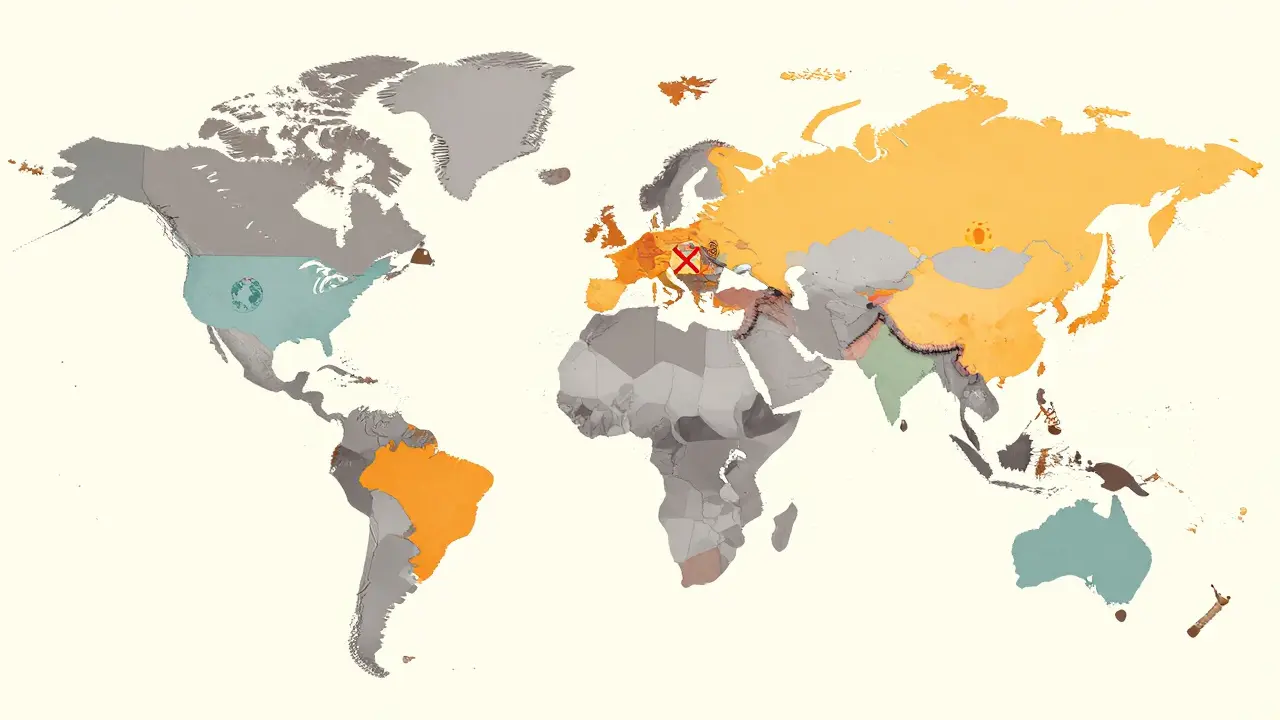
Accessibility and Geographic Restrictions
This is perhaps the most critical section for users in North America. Despite the platform claiming global reach, specific jurisdictions are strictly prohibited. The official terms exclude residents of the United States, the entire European Union, Cuba, Iran, Russia, Syria, and several other nations. If you are reading this from Tempe, Arizona, you cannot legally register for an account. Even if you attempt to bypass restrictions using a Virtual Private Network (VPN), doing so violates their Terms of Service and puts your funds at risk of immediate freezing upon detection. The platform's organic traffic data shows a heavy concentration in regions outside these sanctions zones. Always verify your eligibility in the signup terms before depositing any crypto, as recovering funds after a ban is nearly impossible.Pros and Cons Summary
Dex-Trade is not a one-size-fits-all solution. Here is a balanced view of the strengths and weaknesses you will encounter:- Pros: Extremely competitive fee structure, vast selection of altcoins, user-friendly mobile app, 24/7 customer support channels.
- Cons: Unregulated status, strict geographic bans (no US/EU), limited fiat options (USD wire only), no futures contracts available.
Is Dex-Trade Right for You?
The verdict depends entirely on your location and risk tolerance. If you reside outside the banned regions and prioritize access to obscure altcoins over regulatory safety, this platform works well. The low fees help preserve profit margins. However, for anyone in the United States or Europe, alternatives with full compliance like Coinbase or Kraken remain the safer choice. Always test the deposit process with a small amount first to verify functionality before moving significant capital.Can I use Dex-Trade in the United States?
No. The platform explicitly restricts users from the United States along with the EU and several other countries. Attempting to sign up will result in account denial or closure.
What are the trading fees on Dex-Trade?
Standard fees are 0.1% for maker orders and 0.2% for taker orders. VIP tiers may reduce these percentages based on your trading volume.
Does Dex-Trade offer credit card deposits?
The platform supports credit and debit cards for deposits, but fiat currency support is limited exclusively to USD wire transfers. Other fiat options like EUR or GBP are unavailable.
How secure is my money on this exchange?
They use 2FA and anti-phishing measures, but unlike regulated banks, the exchange lacks government oversight. This increases the risk in case of bankruptcy or operational failure.
Are there limits on withdrawals?
Withdrawal limits depend on your verification level and VIP status. There are standard network fees for each transaction type, such as 0.0005 BTC for Bitcoin withdrawals.
Raymond K
March 31, 2026 AT 01:12Hey everyone i really think thius platform could be amazin for us small traders looking to find some hidden gems in the market
The fees they charge are super low compared to what we pay on big exchanges like coinbase which eats into profits
I noticed they have staking options too which means you dont just leave money sitting there doing nothing while inflation rises
Security is always a big deal when putting funds anywhere and having two factor auth is a nice standard touch
But i gotta say the lack of regulation kinda keeps me up at night wondering about who watches them
If something goes wrong and they close down there is no bank insurance to save your hard earned crypto assets
Maybe try starting small so you dont lose everything if the worst case scenario actually plays out
The mobile app looks pretty slick and getting updates regularly shows they care about user experience somehow
Having access to three hundred seventy coins is wild because most places only show the famous ones people already know
NFT marketplace integration is smart cause now you dont need another wallet just for art pieces
VIP tiers sound fun for the high rollers but normal guys like me probably wont reach that status quickly
Withdrawal limits might sting though so check those rules before moving big sums into the account
Geographic bans are real bummer for folks in certain zones but luckily not for everyone everywhere globally
Trustpilot rating being above four stars gives some hope that majority of people are actually happy with service
Just remember never invest more than what you can afford to lose completely without any regrets later
Keep an eye on news feeds to see if regulators crack down on unlicensed platforms soon
Overall seems like a decent gamble for international users seeking better rates
Tiffany Selchow
April 1, 2026 AT 07:14Reading this junk is pointless when they literally block our own countrymen from signing up anyway
Zackary Hogeboom
April 3, 2026 AT 01:21Solid observations on the risk factors involved here
The listing fee scam stories seem questionable when weighed against official reports
Chris R
April 3, 2026 AT 18:37Restrictions exist everywhere but we should appreciate opportunities where we can still trade legally
Jamie Riddell
April 4, 2026 AT 13:13interesting breakdown here the geo blocks are annoying but typical fees look okay just hope security holds up long term