How the Florida Driver's License Application Process Works in 2026
 Mar, 10 2026
Getting a driver’s license in Florida isn’t just about passing a test-it’s a multi-step process built on strict rules, real documents, and waiting periods that can’t be rushed. If you’re new to the state or turning 15, you’re stepping into a system designed to make sure every driver on the road has been properly trained, verified, and tested. There’s no shortcut. No loophole. And if you show up without the right paperwork, you’ll leave empty-handed-again.
Who Can Apply and When
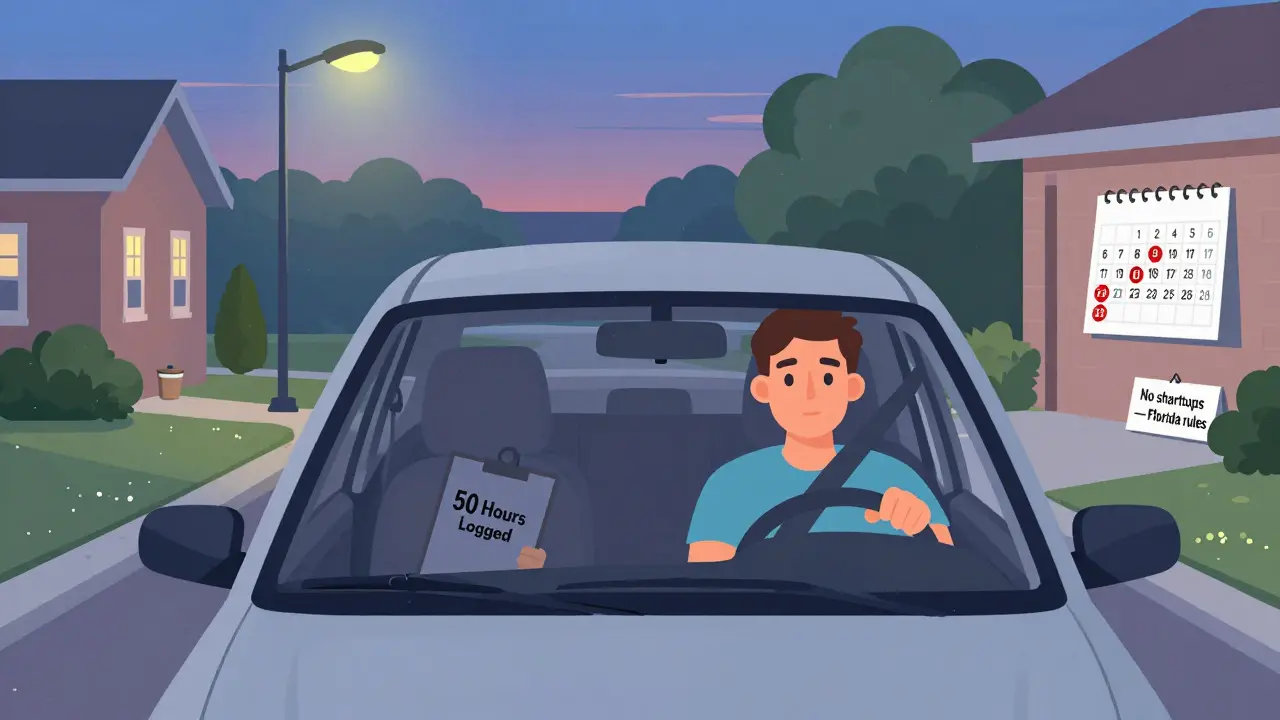
You can start the process at 15 years old. That’s when you’re eligible to get a learner’s permit. But you can’t drive alone. Not even to the corner store. You need someone who’s at least 21 with a valid license sitting next to you. And you can only drive during daylight hours for the first three months. After that, you’re allowed until 10 p.m. No exceptions. If you’re 18 or older, you still have to complete the Traffic Law and Substance Abuse Education (TLSAE) course. That’s a 4-hour online class covering Florida traffic laws, DUI risks, and defensive driving basics. You can take it through providers like Aceable or the official FLHSMV-approved sites. If you’ve held a valid license from another state in the last 10 years, you don’t need it. But if you moved from out of state and didn’t transfer your license within 30 days of becoming a resident, you’re treated like a first-time applicant.Proving You Live in Florida
This is where most people get stuck. You can’t just show up with a driver’s license from Georgia and expect to walk out with a Florida one. Florida law requires you to prove you’ve been a resident for at least 31 consecutive days. That’s not a suggestion. It’s a rule. And it starts the moment you move here-whether you rent an apartment, buy a house, or stay with a relative. To prove residency, you need two documents with your name and a Florida address. Acceptable options include:- A utility bill (electric, water, gas)
- A lease agreement or mortgage statement
- A Florida voter registration card
- A current school transcript with your address listed
Documents You Must Bring
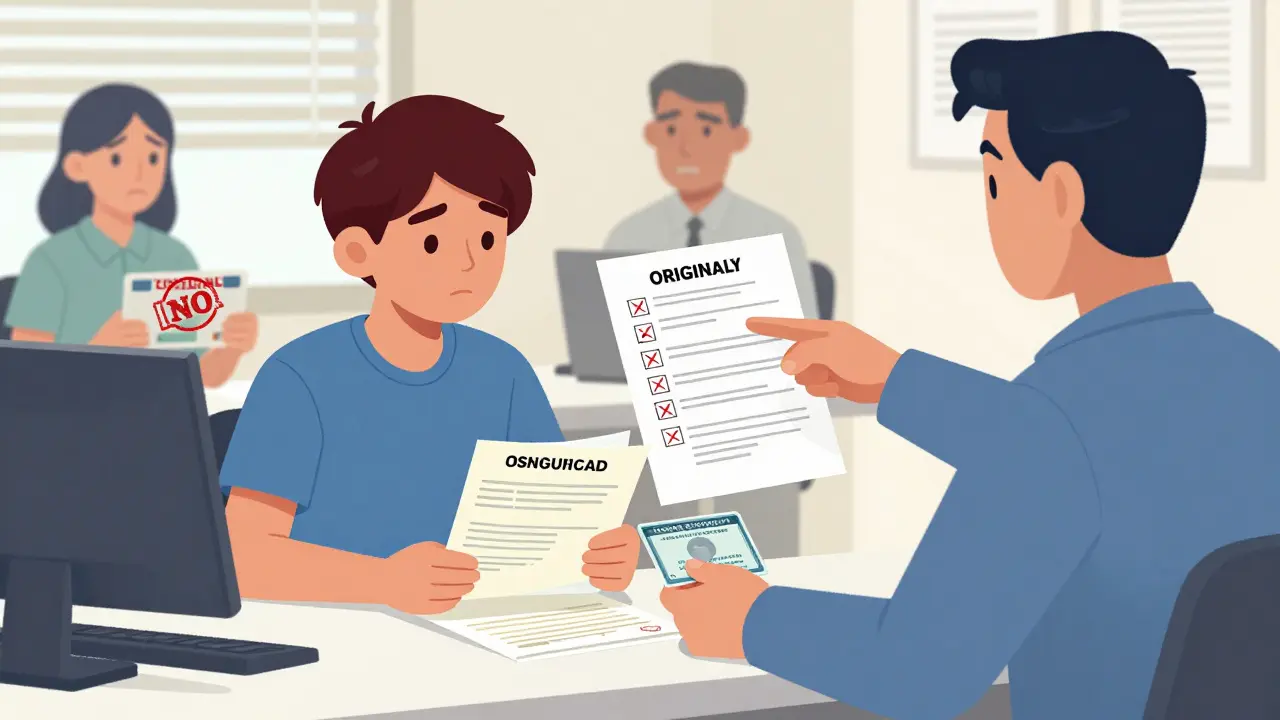
You’re not just filling out a form. You’re proving your identity, your legal status, and your right to be here. The FLHSMV doesn’t accept guesswork. Here’s what you need:- Proof of identity: Original birth certificate from the Bureau of Vital Statistics or a valid U.S. passport. Hospital-issued birth certificates? Not accepted. Photocopies? No. You must get the official version.
- Social Security number: Your original Social Security card, a W-2 form with your full SSN, or a paycheck stub that shows your name and complete number.
- Legal presence (if not a U.S. citizen): A valid visa, Employment Authorization Document (EAD), or Permanent Resident Card.
The Testing Process
There are three tests you must pass before you get your license. Not two. Not one. Three.- Vision and hearing screening: Done right at the DHSMV office. If you wear glasses or hearing aids, bring them. Failing this means you can’t proceed.
- Class E Knowledge Exam: A written test with 50 multiple-choice questions on Florida traffic laws, road signs, and safe driving practices. You need to score at least 80% to pass. Most people fail because they don’t study the official FLHSMV handbook. Don’t rely on memory. Use the free practice tests on MyFloridaLicense.com.
- Driving Skills Test: After holding your learner’s permit for 12 full months without any traffic violations, you can schedule this. The examiner will ask you to do parallel parking, a three-point turn, lane changes, and obey traffic signals. If you hit a cone, roll through a stop sign, or fail to check your mirrors, you fail. Period.
How to Apply
You can start the process online. Go to MyFloridaLicense.com and schedule an appointment. This saves you hours of waiting in line. But you still have to show up in person with your documents. No online-only licenses exist in Florida. Bring everything. Double-check your checklist. Bring your original documents. Bring your test results. Bring your completed forms. If you forget one thing, you’ll have to come back. And that delay could push your license date back by weeks.
Common Mistakes and How to Avoid Them
People make the same mistakes over and over. Here’s what not to do:- Don’t bring a hospital birth certificate. Only the Bureau of Vital Statistics version counts. Order yours early-it takes 2-3 weeks.
- Don’t assume your out-of-state license transfers automatically. You have 30 days from the date you establish residency to turn it in. After that, you’re treated as a new applicant.
- Don’t skip practice. The driving test isn’t hard if you’ve practiced parallel parking in your driveway 10 times. If you’ve never done a three-point turn? You’ll fail.
- Don’t wait until the last minute. The 31-day residency rule and 12-month permit rule mean you need to plan ahead. If you moved to Florida in January, you won’t get your license until at least February next year.
Resources That Actually Help
There’s a lot of noise out there. YouTube videos. TikTok tips. Random blogs. Stick to these:- MyFloridaLicense.com - The official portal for scheduling, checking requirements, and downloading study materials.
- FLHSMV Handbook - Download the PDF. Read it. Highlight it. Quiz yourself.
- Aceable - A state-approved provider for the TLSAE course. Clean interface, mobile-friendly, and includes practice tests.
- Local DHSMV offices - Call ahead. Ask what documents they accept. Some offices have different policies on what counts as proof of address.
What Happens After You Pass?
Once you pass the driving test and pay the $48 fee, you’ll get a temporary paper license right then and there. Your permanent plastic card will arrive in the mail within 30 days. Keep the temporary one with you. It’s valid until the permanent one comes. And remember: your license isn’t just a piece of plastic. It’s proof you met Florida’s standards. No shortcuts. No exceptions. Just hard rules designed to keep everyone safe.Can I apply for a Florida driver’s license online?
No. You can schedule an appointment and start some steps online through MyFloridaLicense.com, but you must visit a DHSMV office in person to submit documents, take tests, and get your license. No fully online driver’s licenses exist in Florida.
Do I need to take the TLSAE course if I’m over 18?
Yes, unless you’ve held a valid driver’s license from another state within the last 10 years or completed a Florida Department of Education driver’s education program. If you’re unsure, take the course-it’s only four hours and required for most new applicants.
What if I lost my birth certificate?
You must get a certified copy from the Florida Bureau of Vital Statistics. Hospital birth certificates and photocopies are not accepted. Order it online or by mail-it takes 2-3 weeks. Plan ahead.
Can I use a school transcript as proof of address?
Yes, if it’s from your current school year and shows your name and Florida residential address. It’s one of the few acceptable alternatives if you don’t have a utility bill or lease agreement.
What happens if I fail the driving test?
You can retake it after 24 hours, but you’ll need to pay the $48 fee again. If you fail three times, you’ll have to complete a driver’s education course before trying again. Practice the specific maneuvers-parallel parking, three-point turns, and lane changes-before your next attempt.
Do I need to take a vision test if I already have glasses?
Yes. Everyone must take the vision screening at the DHSMV office, even if you wear glasses or contacts. Bring your corrective lenses with you. If you fail, you’ll be referred to an eye doctor and must return with a signed form.