How to Make Money on Decentralized Social Media: A Creator's Guide
 Apr, 5 2026
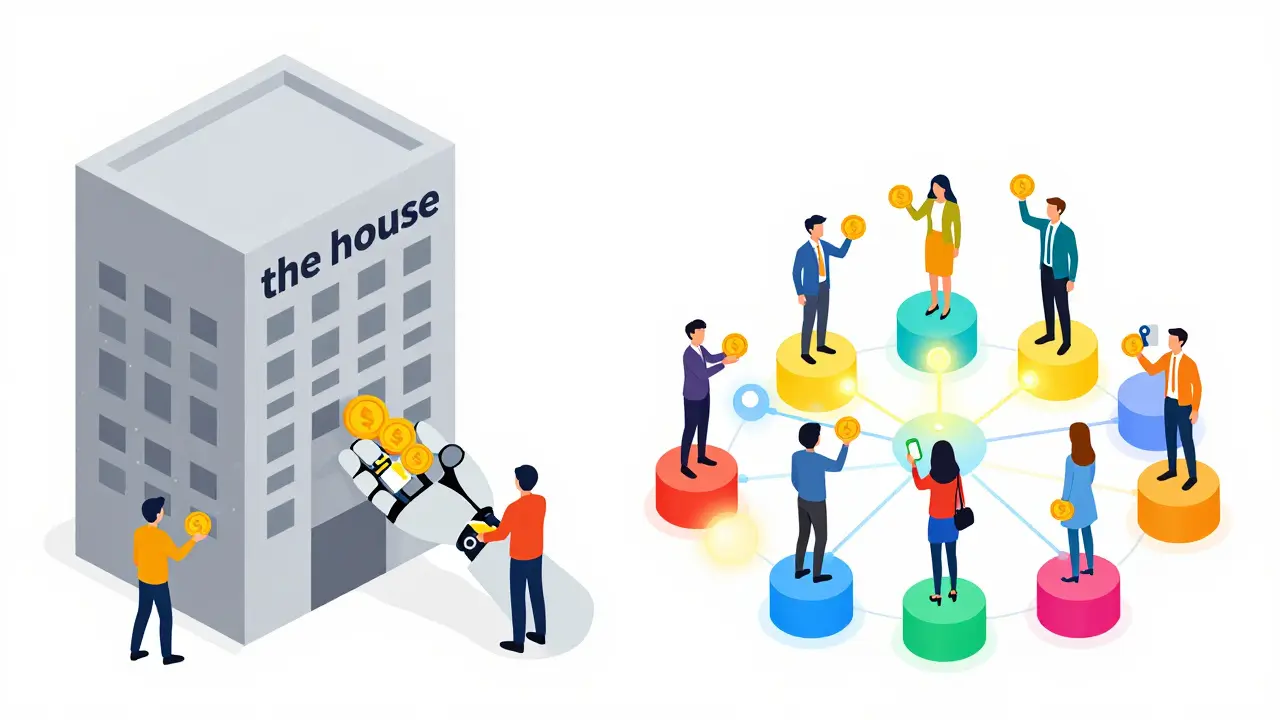
For years, the deal with social media was simple: you provide the content and the data, and the platform takes the profit. You might get a few cents from an ad-revenue share or a sponsorship deal, but the house always wins. That's changing. We are seeing a massive shift toward Decentralized Social Media is a network of platforms built on blockchain technology that removes central corporate control and gives users ownership of their data and social graphs. Often called DeSoc, this movement is flipping the script on how creators get paid.
The Problem with the Old Way
If you've ever had a video demonetized by a bot or an account suspended without a clear reason, you know the risk of centralized platforms. Your entire business depends on an algorithm you don't control and a company that can change its terms of service overnight. Traditional platforms like Facebook or X (formerly Twitter) make billions by selling your attention to advertisers, while creators fight for scraps.
Decentralized platforms fix this by replacing corporate gatekeepers with code. Instead of hoping an algorithm picks you up, you build a direct financial relationship with your audience. You own your profile, your followers, and your income streams. If you don't like the rules of one app, you can often take your entire following and move to another client on the same protocol.
Ways to Actually Earn in DeSoc
Monetization in the decentralized world isn't just about one thing; it's a toolkit of different revenue streams. Depending on which protocol you use, you can mix and match these methods.
- Direct Tipping: This is the most common method. Using Stablecoins (like USDC) or native tokens, fans can send small amounts of money instantly. For example, on Farcaster, users often use the DEGEN token as a social currency to reward high-quality posts.
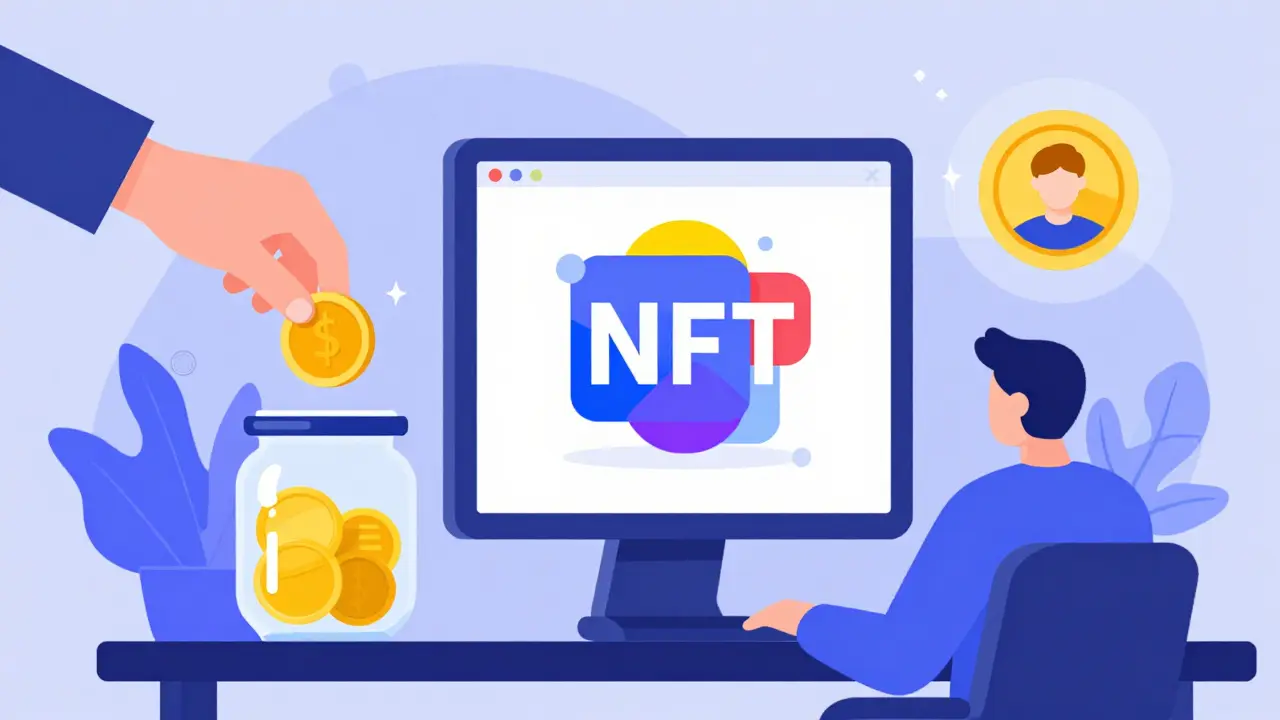
- Content NFTs: You can turn a post, a piece of art, or a thread into a digital asset. In the Lens Protocol ecosystem, creators can allow users to "collect" their posts as NFTs. When a fan collects your content, you get paid, and the fan owns a piece of your digital history.
- Creator Coins: Some platforms go a step further. The Diamond App, powered by the DeSo blockchain, allows every user to have their own personal token. These coins act like a tiny stock market for your reputation. If your influence grows, the value of your creator coin potentially rises.
- Paid Subscriptions: Instead of a third-party platform taking 30-50%, you can set up smart contracts that grant access to premium content only to those who hold a specific token or have paid a monthly fee in crypto.
Comparing Centralized vs. Decentralized Revenue
It's easier to see the difference when you look at the mechanics of how money moves. In the old model, money goes from Advertiser → Platform → (maybe) Creator. In DeSoc, it's usually User → Creator.
| Feature | Traditional Social Media | Decentralized Social (DeSoc) |
|---|---|---|
| Ownership | Platform owns your data/graph | You own your profile and followers |
| Payouts | Ad-revenue share (delayed) | Instant P2P transfers |
| Control | Algorithm-driven visibility | Social engagement & human signals |
| Risk | Account bans/Demonetization | Private key management (Self-custody) |
How the Tech Works (Without the Jargon)
You don't need to be a coder to earn money here, but you should understand the plumbing. Most of these platforms run on Blockchain technology. Instead of a giant database owned by a company, the data lives on a distributed ledger.
For instance, Lens Protocol uses the Polygon network. Why does that matter? Because if every "like" or "follow" cost $10 in gas fees, nobody would use it. Polygon keeps transaction costs extremely low, making it feasible to charge a tiny fee (like 5%) when someone collects a post, which goes straight to the creator.
Then there is the concept of Identity Portability. In a centralized world, if you leave Instagram, you can't take your followers to TikTok. In DeSoc, your identity is an NFT or a cryptographic key. You carry your "social graph" with you. This means your monetization relationships aren't locked into one specific app.
Getting Started: Your First Steps
If you're moving from a traditional platform, the learning curve can feel steep. You aren't just signing up with an email and password; you're managing a digital wallet. Here is a practical path to get your first dollar in DeSoc:
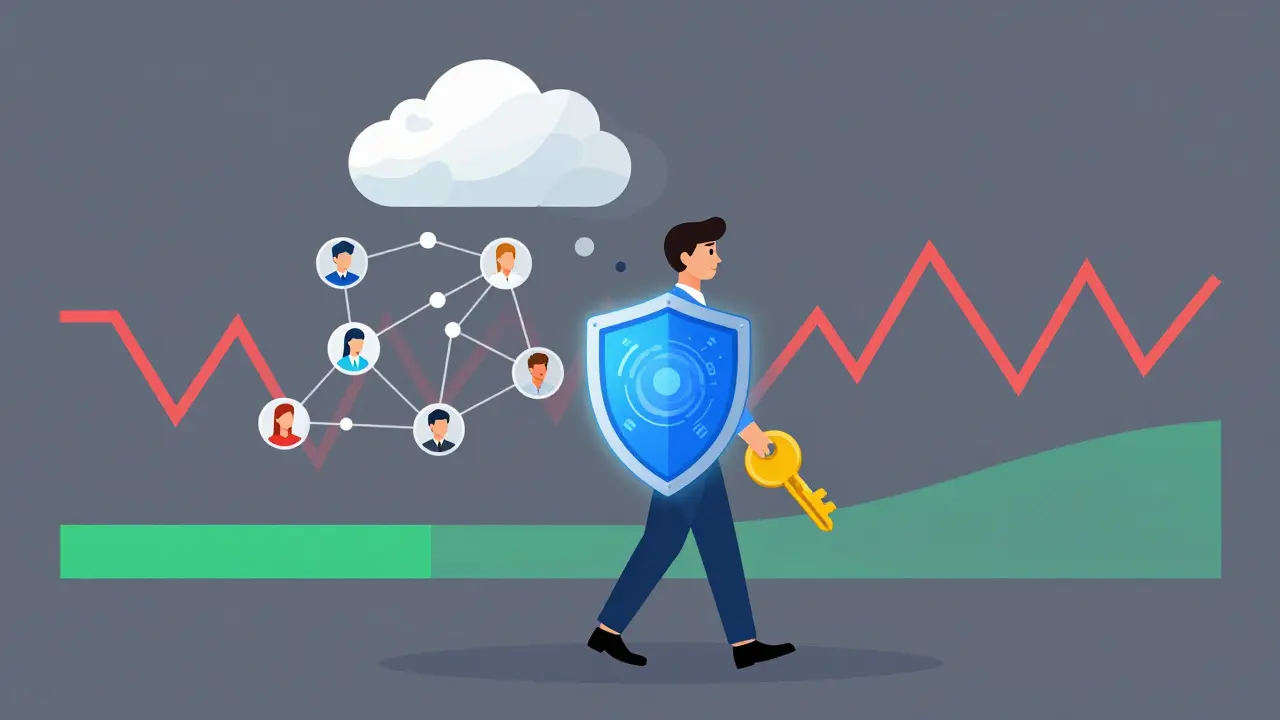
- Set Up a Wallet: You'll need a wallet like MetaMask or Coinbase Wallet. This is where your earnings will land. Remember, if you lose your recovery phrase, you lose your money-there is no "Forgot Password" button in decentralized finance.
- Choose Your Protocol: Decide if you want a developer-centric environment like Farcaster, a creative-focused one like Lens, or a federated experience like Mastodon (which is more about community-led rules than token economics).
- Educate Your Audience: Your followers might not know what a "stablecoin" is. Start by explaining why you're moving and how they can support you without needing a complex setup. Some platforms now allow fiat currency (regular cash) to be used for tipping to bridge this gap.
- Experiment with Gating: Try creating a small piece of "premium" content that requires a token to unlock. This tests your audience's willingness to pay and helps you find the right price point.
Potential Pitfalls to Avoid
It's not all sunshine and moon-shots. There are real risks in decentralized monetization. The biggest is volatility. If you get paid in a niche token and that token drops 90% in value overnight, your earnings vanish. To avoid this, most professional creators immediately swap their earnings into stablecoins.
Another hurdle is user adoption. While millions are joining, it's still a fraction of the size of the "big players." You won't get 10 million views overnight. However, the conversion rate is often higher. You'd rather have 1,000 true fans paying you directly than 1 million passive viewers who give you $0.01 in ad revenue.
Do I need to be a crypto expert to monetize on DeSoc?
No, but you do need to understand the basics of a cryptocurrency wallet. You don't need to know how to code, but you must be comfortable managing your own security keys, as there is no central customer support to recover your account if you lose access.
What is the difference between a protocol and a platform?
A protocol (like Lens) is the set of rules and the database where your data lives. A platform is the app (the interface) you use to view that data. This means you can switch apps while keeping your followers and earnings.
How do I avoid losing money to market volatility?
The best strategy is to convert your earnings into stablecoins like USDC or USDT immediately after receiving them. This locks in the dollar value and protects you from the price swings of native platform tokens.
Is decentralized social media actually growing in 2026?
Yes, there is a significant migration trend driven by "platform fatigue." Users are increasingly tired of algorithmic manipulation and restrictive censorship, leading them toward transparent, user-owned alternatives.
Can I still use traditional ads on these platforms?
While some hybrid platforms allow it, the core philosophy of DeSoc is to replace invasive ads with direct value exchange. Most creators find that direct tipping and NFTs are more lucrative and sustainable.
vijendra pal
April 6, 2026 AT 03:12Bro u forgot to mention the most importent part! 🚀 DeSoc is literally the future and if u aint using Farcaster yet ur just lagging behind. The DEGEN meta is insane right now and anyone who thinks centralized apps will last is deluded lol 💎🙌
david head
April 6, 2026 AT 18:58totally agree with the tipping part 💯 it makes way more sense than waiting for a paycheck from some giant corp 🚀
Alexandra Lance
April 8, 2026 AT 01:05Oh sure, let's just move all our data to a "distributed ledger" where it's basically just as easy for the elites to track us but now we have to manage our own keys so we can get locked out of our own lives 🙄✨ It's just another layer of control dressed up as freedom 💅
Lauren Gilbert
April 9, 2026 AT 11:46There is something deeply poetic about the shift from being a product to being an owner, and while the technical barriers are real, I find myself wondering if the true value isn't actually in the money itself, but in the liberation of the social graph from the whims of a board of directors who only care about quarterly growth and engagement metrics that actively harm our mental health in the long run. It feels like we are finally stepping into a digital era where the human connection is the primary currency and the blockchain is simply the tool that ensures that connection remains untainted by corporate greed, although we must be careful not to simply replace old masters with new, invisible ones based on tokenomics.
Carmelita Gonzales
April 10, 2026 AT 08:07this sounds like a great way for artists to get paid fairy and honestly i just love seeing people find ways to support each other
Joshua Aldrich
April 11, 2026 AT 00:07I've seen a few creators struggle with the seed phrase part specifically... it's a huge psychological hurdle for most people to realize there's no safety net. Most don't realize that self-custody is a double edged sword where the freedom is great until you lose that piece of paper in a house fire or just forget where you wrote it down lol. Its basically a test of personal responsibility in a world that has trained us to rely on a 'reset password' link.
Patty Levino
April 12, 2026 AT 02:52That is a very fair point about the seed phrases. For anyone feeling overwhelmed, I'd suggest looking into hardware wallets or multi-sig setups if you're managing significant earnings, just to add an extra layer of security so you don't have to rely on a single point of failure.