Karatbit Crypto Exchange Review: Is It Safe or a Scam?
 Oct, 9 2026
You see an ad for a crypto exchange that promises to back your digital coins with real physical gold. It sounds stable, secure, and profitable. Then you hear the name Karatbit. You wonder if it’s legit or just another platform designed to take your money.
Here is the short answer before we get into the details: Karatbit raises serious red flags. As of October 2026, it remains an "untracked" listing on major data sites like CoinMarketCap, meaning no one can verify its trading volume. More importantly, regulatory bodies in Canada and Singapore have issued alerts about it. If you are thinking about depositing funds, you need to understand why experts consider this high-risk.
What Exactly Is Karatbit?
Karatbit launched in February 2019 as a cryptocurrency exchange registered under Karat Gold Cooperation PTE. LTD. in Singapore. The core idea revolves around the Karatgold Coin (KBC), a token they claim is backed by physical gold reserves. The pitch is simple: buy KBC, hold it, and believe it holds value because it represents fractional ownership of gold bars.
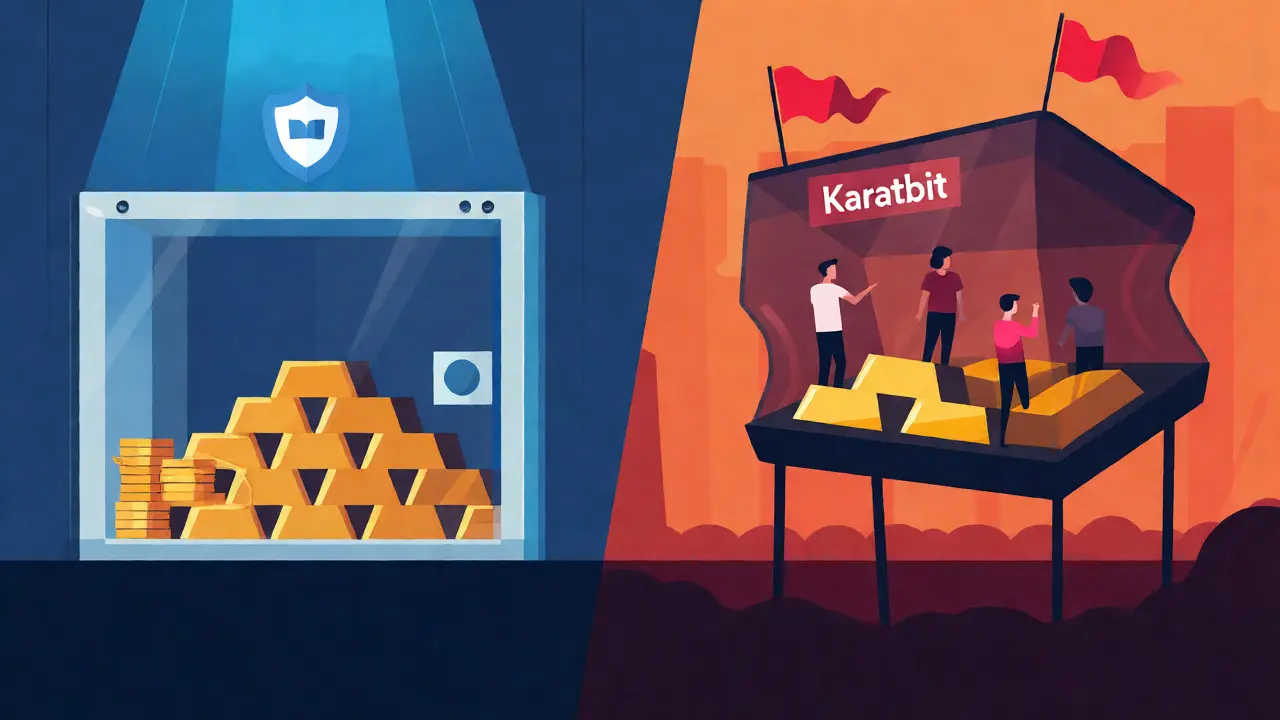
However, there is a catch. Unlike established exchanges such as Coinbase or Binance, Karatbit does not appear to hold any recognized financial licenses. This isn't just a minor administrative oversight; it means your money sits outside the protection of standard banking laws. If the platform disappears, there is no insurance fund to reimburse you.
The Regulatory Red Flags
When evaluating any crypto platform, regulation is your first line of defense. Karatbit fails this test significantly. The Canadian Securities Administrators (CSA) has listed Karatbit in their investor alert database, citing characteristics common to high-risk investment schemes. Similarly, the Monetary Authority of Singapore has flagged it in their scam alert lists.
Why does this matter? Regulated exchanges must prove they have enough assets to cover user deposits. They undergo audits. Karatbit does none of this publicly. TradersUnion analysts noted in late 2025 that clients operate in a "legal vacuum." If you lose your Bitcoin due to a hack or a withdrawal freeze, you have no legal recourse. You are essentially trusting a company with no oversight.
Liquidity and Trading Volume Issues
A healthy exchange needs liquidity-the ability to buy or sell assets quickly without moving the price too much. Karatbit struggles here. Data from CoinGecko shows that the Karatgold Coin (KBC) trades on only three active pairs across all exchanges. Its daily trading volume hovers around $12,450. Compare that to USDT (Tether), which sees over $50 billion in daily volume, and you see the problem.
Low liquidity means two things:
- Slippage: If you try to sell a large amount of KBC, you might crash the price because there aren't enough buyers.
- Price Manipulation: With so little volume, a single whale can artificially pump or dump the price, leaving retail investors holding the bag.
Furthermore, CoinMarketCap classifies Karatbit as an "Untracked Listing." This label is applied when an exchange refuses to provide API access for volume verification. In the crypto world, "trust but verify" is the rule. When you cannot verify, you should be skeptical.
User Experience and Technical Problems
Beyond the numbers, actual users report frustrating experiences. Reviews on platforms like Revain.org highlight basic technical failures. Users describe interfaces full of blank spaces and pages that take forever to load. For a financial platform, reliability is non-negotiable. Established exchanges maintain 99.9% uptime. Karatbit offers no public uptime statistics, suggesting infrastructure neglect.
Withdrawal issues are the most alarming complaint. Several users reported blocked withdrawals citing vague "KYC issues" even after submitting documents. One user tried to withdraw 0.5 ETH and faced fabricated hurdles. Another deposited SGD 2,500 worth of tokens, only to find them "unavailable" overnight while customer support ignored emails for weeks. These aren't isolated glitches; they form a pattern of friction designed to keep your money locked inside.
The Gold-Backed Token Trap
Karatbit leans heavily on the appeal of gold. But gold-backed tokens come with their own risks. Legitimate gold tokens, like those from the Perth Mint, account for nearly 90% of the market volume. They are audited regularly. Karatbit’s model resembles older failed ventures like Karatbars International, which saw extreme volatility despite claiming physical backing.
Dr. Elena Rodriguez’s academic analysis identifies specific red flags in Karatbit’s structure, including unverifiable gold reserves and excessive referral commissions. Yes, referral commissions. Many users report needing to refer new members to unlock withdrawals. This pyramid-like structure suggests the business model relies more on new deposits than actual trading revenue.
| Feature | Karatbit | Binance / Coinbase |
|---|---|---|
| Regulatory Status | Unregulated / Alert Listed | Licensed in multiple jurisdictions |
| Volume Verification | Untracked (No data) | Verified via third-party analytics |
| Security Audits | None Publicly Available | Regular Proof-of-Reserves |
| Customer Support | Poor response times reported | 24/7 multi-channel support |
| Asset Liquidity | Very Low ($12k/day vol) | Extremely High (Billions/day) |
Is Your Money Safe?
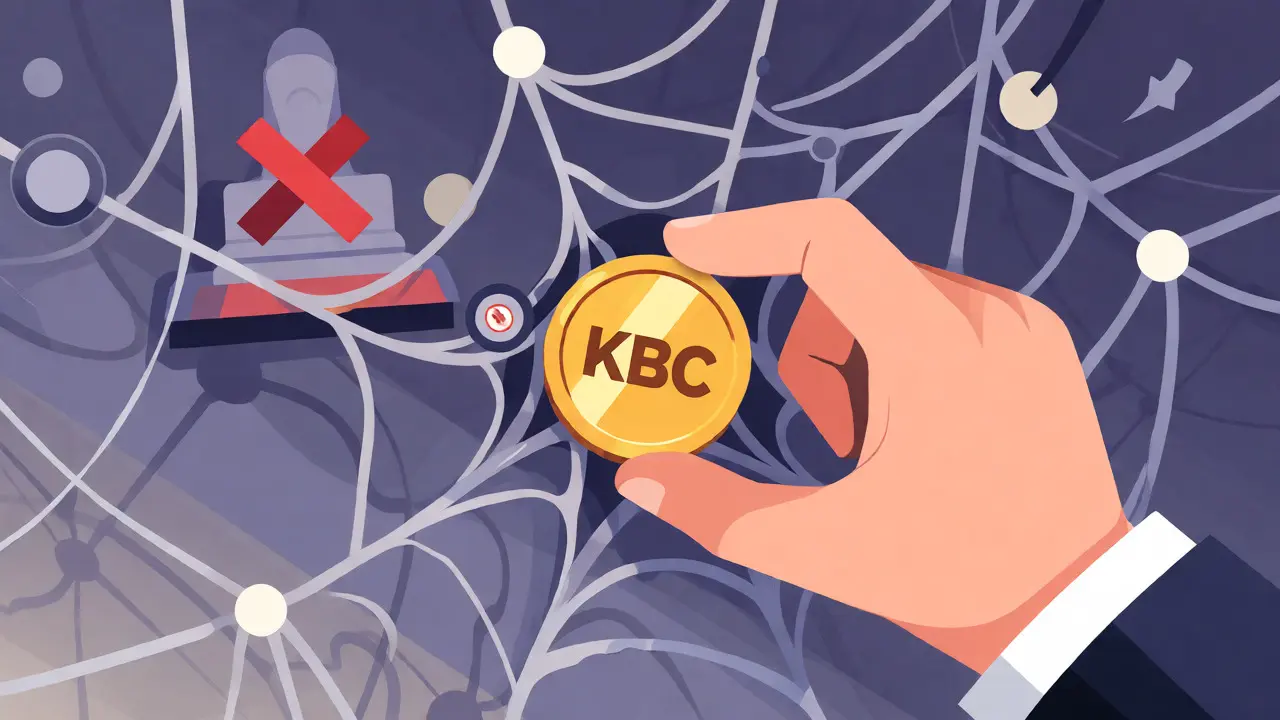
Let’s look at the security protocols. Major exchanges use cold storage (offline wallets) for the majority of user funds and publish proof-of-reserves. Karatbit has no documented security audits. There is no evidence of third-party verification of their gold holdings or their crypto balances.
In 2025, J.P. Morgan’s Digital Asset Report predicted a 90% failure rate for unlicensed gold-backed exchanges within 18 months. Given that Karatbit has been operating since 2019 without gaining regulatory traction or significant market share, it fits the profile of a platform nearing its end. The decline in KBC’s price-down 83% in 2025 alone-reflects waning confidence.
Final Verdict: Proceed with Extreme Caution
If you are looking for a place to trade Bitcoin, Ethereum, or altcoins, Karatbit is not the right choice. The lack of regulation, poor liquidity, and history of withdrawal complaints make it a dangerous bet. The allure of gold-backed stability doesn't outweigh the risk of losing access to your funds entirely.
Stick to exchanges with transparent reserves, verified volumes, and clear regulatory frameworks. If you already have funds in Karatbit, consider withdrawing them gradually. Don’t let the promise of high returns blind you to the operational realities.
Is Karatbit a scam?
While not legally declared a fraud yet, Karatbit exhibits many characteristics of a scam. It is unregulated, has low liquidity, and faces numerous user complaints regarding blocked withdrawals. Regulatory bodies in Canada and Singapore have issued warnings against it.
Can I withdraw my money from Karatbit?
Many users report difficulties withdrawing funds. Common issues include sudden requests for additional KYC verification, claims of technical errors, or requirements to refer new users before processing transactions. Always test with a small withdrawal first.
Who regulates Karatbit?
Currently, Karatbit is not regulated by any major recognized financial authority. It is registered in Singapore but lacks a license under the Payment Services Act, placing it outside standard consumer protections.
Is Karatgold Coin (KBC) really backed by gold?
The company claims KBC is backed by physical gold, but there is no independent, regular audit verifying these reserves. Without transparency, the claim remains unverified, unlike established gold ETFs or tokens from audited mints.
Why is Karatbit volume untracked?
CoinMarketCap marks Karatbit as "Untracked" because the exchange does not provide sufficient API data for volume verification. This often indicates either very low genuine activity or potential wash trading to inflate figures.