Korean Crypto Trading Restrictions: Rules, Taxes, and Real-Name Verification
 Oct, 24 2026
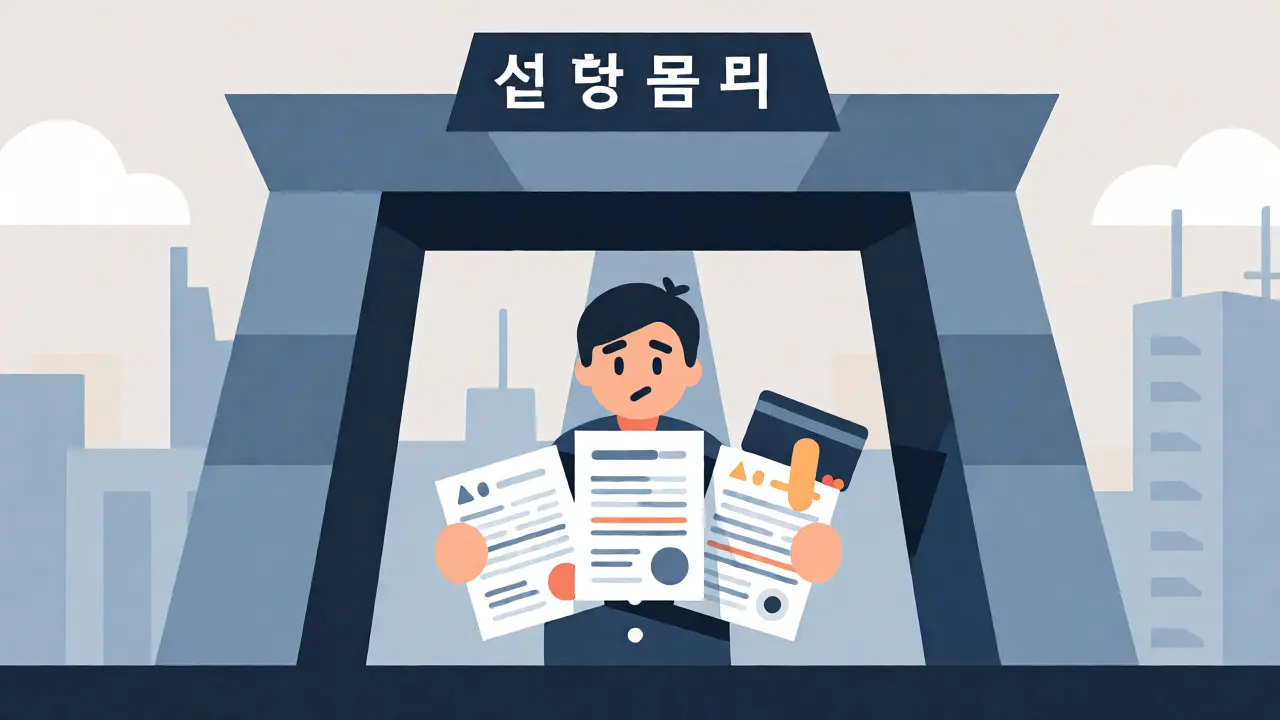
Imagine trying to buy a cup of coffee, but you have to prove your identity with three different government documents, link a specific bank account that matches your name exactly, and wait two weeks for approval. That is essentially what trading cryptocurrency feels like in South Korea. While the rest of the world debates whether crypto should be banned or embraced, South Korea has already decided: it’s here to stay, but only if you follow strict rules.
If you are looking to trade digital assets in Seoul or Busan, you aren't just dealing with market volatility; you are navigating one of the most tightly controlled financial environments on the planet. The Korea Financial Intelligence Unit (KoFIU), under the Financial Services Commission (FSC), acts as the gatekeeper. They don't just watch the market; they shape it through rigorous licensing and verification processes that eliminate anonymity entirely.
The Core Rule: No Anonymity Allowed
Here is the biggest hurdle for newcomers: anonymous trading is dead in South Korea. Since January 2018, the country has enforced a mandatory Real-Name Verification System. This isn't just a suggestion; it's law. To open an account on a licensed exchange, you must link a bank account that bears the exact same name as your exchange profile. If your ID says "Kim Min-jun" and your bank account says "M.J. Kim," you will get rejected.
This system was designed to stop money laundering and prevent the chaotic speculation that plagued earlier markets. It works by creating a closed loop between your bank and your crypto wallet. You can’t just send Bitcoin from an unknown foreign wallet without triggering compliance checks. For traders, this means security is incredibly high-there have been no major hacks on licensed Korean exchanges since the framework tightened-but it also means privacy takes a back seat.
Who Can Actually Trade? The Licensed Four
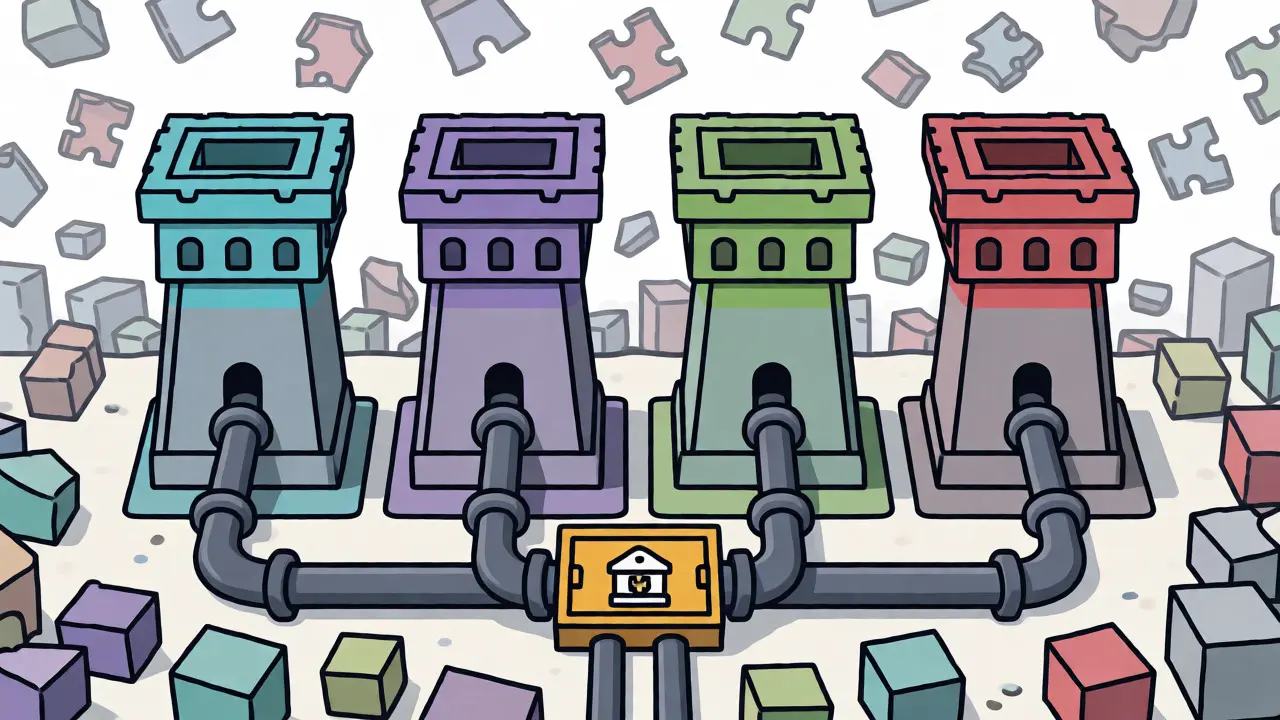
You might think you can sign up for any app you see online. Think again. As of late 2024, only four major exchanges hold full regulatory approval from the KoFIU: Upbit, Bithumb, Coinone, and Korbit. These platforms handle over 95% of all domestic trading volume.
Why so few? Because getting a license is brutal. Exchanges must partner with a domestic commercial bank to provide the real-name verification service. Banks like KB Kookmin, Shinhan, and NH Nonghyup are extremely picky about who they partner with because they share the liability for anti-money laundering (AML) compliance. If an exchange gets hacked or fails a compliance audit, the bank’s reputation takes a hit too. Consequently, over 200 unlicensed exchanges have been forced to shut down since 2021. If you try to use an unlicensed platform, you risk having your bank transfer blocked or your funds frozen.
| Exchange Name | Primary Bank Partner | Estimated Daily Volume (USD) | Key Feature |
|---|---|---|---|
| Upbit | KB Kookmin Bank | $2.8 Billion | Highest liquidity, user-friendly UI |
| Bithumb | Shinhan Bank | $1.5 Billion | Longest history, strong altcoin selection |
| Coinone | NH Nonghyup Bank | $300 Million | Focused on retail investors, lower fees |
| Korbit | Toss Bank | $200 Million | Integrated with Toss fintech ecosystem |
How to Get Started: The 3-Week Process
Don't expect to download an app and start buying Bitcoin in five minutes. The onboarding process for individual traders typically takes two to three weeks. Here is what you actually have to do:
- Submit Government ID: You need a valid Korean Resident Registration Card or a passport if you are a foreign resident. Digital photos often get rejected due to glare or blurriness, so take clear, well-lit pictures.
- Link Your Bank Account: You must connect a personal bank account. Corporate accounts generally cannot be used for standard retail trading. The name match must be perfect.
- Video Verification: Many exchanges now require a short video call or a live selfie check to confirm you are not using a stolen ID.
- Wait for Approval: During high-volatility periods, such as when Bitcoin surges, the verification queue can back up. Patience is required.
Once approved, funding your account is straightforward via domestic bank transfers. However, note that credit card purchases for crypto are largely prohibited or heavily restricted to prevent excessive leverage and debt spirals among young investors.
The Taxman Cometh: 20% Capital Gains
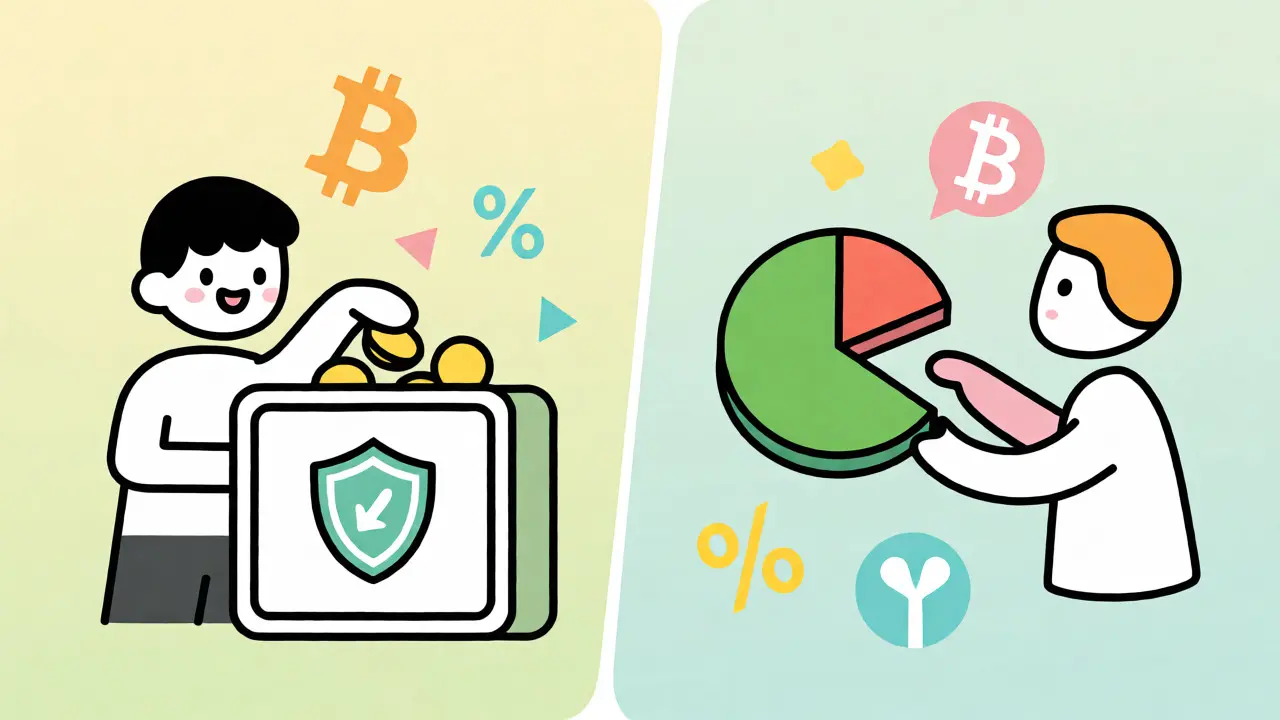
For years, South Korea delayed taxing crypto profits, but that era is ending. Starting with the 2025 tax year, the National Assembly has confirmed that cryptocurrency profits will be subject to a 20% capital gains tax. But there is a catch that makes this more manageable than it sounds: there is a basic deduction of 2.5 million KRW (approximately $1,800 USD).
Let’s break down a realistic scenario. Suppose you bought Ethereum early in 2024 and sold it later for a profit of 10 million KRW. You subtract the 2.5 million KRW deduction, leaving you with 7.5 million KRW in taxable profit. You would owe 20% of that amount, which equals 1.5 million KRW in taxes. If your annual profit is under 2.5 million KRW, you pay zero tax. This threshold protects casual traders while ensuring large speculators contribute to the national treasury.
Exchanges are responsible for withholding these taxes automatically at the source, meaning you won't have to file complex calculations yourself unless you have losses from previous years to carry forward. Keep detailed records anyway, though, in case of audits.
What You Can’t Buy: The Altcoin Limitation
If you are a fan of obscure altcoins or new DeFi tokens, you might feel frustrated. Korean exchanges list significantly fewer assets than global giants like Binance or Coinbase. While international platforms might offer 600+ cryptocurrencies, Korean exchanges typically stick to 200-300. Why? Because listing a new coin requires rigorous due diligence to ensure it isn't a scam or a tool for market manipulation.
This conservative approach protects retail investors-who make up 94% of the market-from rug pulls and pump-and-dump schemes common in less regulated markets. However, it means you often miss out on early opportunities in emerging projects. Many sophisticated Korean traders use a hybrid strategy: they keep their main holdings on Upbit for safety and use offshore exchanges (via careful banking routes) for speculative altcoins, accepting the higher risk and complexity.
Security Standards: Why It’s Worth the Hassle
Is all this bureaucracy worth it? For many Koreans, yes. The Information Security Management System (ISMS) certification is mandatory for exchanges. They must keep at least 70% of customer assets in cold storage (offline wallets) and carry cyber insurance covering at least 1 billion KRW per incident.
Compare this to the global landscape. Between 2023 and 2024, unregulated exchanges worldwide lost over $3.8 billion to hacks. In contrast, the four licensed Korean exchanges reported zero major security breaches during the same period. When you trade in Korea, you are paying for peace of mind. The banks backing these exchanges act as a second layer of scrutiny, ensuring that the platforms maintain professional-grade infrastructure.
Future Outlook: Stablecoins and CBDCs
The rules aren't static. In September 2024, the FSC announced tighter regulations for stablecoins like USDT and USDC. Issuers must now prove full reserve backing and undergo monthly audits. This aims to prevent scenarios like the Terra/Luna collapse, which devastated many local investors.
Additionally, the Bank of Korea is piloting a Central Bank Digital Currency (CBDC). While this won't replace Bitcoin, it may change how people view digital money. Institutional players like Samsung Securities are entering the space, offering custody services for wealthy clients. The trend is clear: crypto in Korea is moving from a wild west playground to a regulated asset class integrated into traditional finance.
Quick Summary / Key Takeaways
- Mandatory Real-Name Verification: You cannot trade anonymously; your bank account name must match your exchange ID exactly.
- Limited Exchange Choice: Stick to Upbit, Bithumb, Coinone, or Korbit to avoid legal and banking issues.
- 20% Tax on Profits: Starting 2025, profits over 2.5 million KRW annually are taxed at 20%, withheld automatically by exchanges.
- High Security, Low Selection: Expect top-tier security protocols but fewer altcoin options compared to global exchanges.
- No Credit Cards: Funding is primarily done via domestic bank transfers; credit card purchases are restricted.
Can foreigners trade crypto in South Korea?
Yes, but it is difficult. Foreigners need a valid Alien Registration Card and a Korean bank account in their name. Without a local bank account linked to the exchange, you cannot withdraw or deposit funds easily. Some exchanges allow passport-only registration for viewing prices, but trading usually requires the full residency setup.
What happens if I use an unlicensed exchange?
Your bank may block transfers to the exchange, or the exchange may freeze your withdrawals. More importantly, you lose the protection of the segregated custody laws. If the unlicensed exchange goes bankrupt or is hacked, you have little legal recourse compared to users on licensed platforms.
Are Bitcoin and Ethereum treated differently?
No, both are classified as virtual assets under the Special Financial Information Act. They are subject to the same KYC, AML, and tax rules. There is currently no distinction in regulation between major coins and smaller altcoins regarding trading restrictions, though listing standards for altcoins are stricter.
How long does account verification take?
Typically 2 to 3 weeks. During periods of high market activity, such as bull runs, the queue can extend to a month. Ensure your documents are high-resolution and names match perfectly to avoid rejection delays.
Can I use DeFi protocols directly from Korean exchanges?
Not directly. Most Korean exchanges do not support direct withdrawal to decentralized wallets like MetaMask for small amounts due to compliance tracking. Traders often move funds to an offshore exchange first, then to a personal wallet, to interact with DeFi protocols, adding extra steps and potential fees.