Mercenary Capital in Liquidity Mining: The DeFi Gold Rush Explained
 May, 29 2026
Imagine walking into a casino where the house pays you just to sit at the table. You deposit your chips, collect free drinks and bonus credits for an hour, then leave before the bill comes. That is essentially how mercenary capital operates within decentralized finance (DeFi) liquidity mining programs. It is opportunistic money that jumps from one protocol to another, chasing the highest possible yield without any loyalty to the platform itself. This behavior has shaped the entire landscape of decentralized finance since the "DeFi Summer" of 2020.
If you are navigating the world of crypto yields, understanding mercenary capital is not optional-it is survival. These investors drive massive spikes in Total Value Locked (TVL), only to vanish when better opportunities appear elsewhere, leaving protocols with inflated metrics but hollow foundations. In this guide, we break down what mercenary capital is, why it happens, the risks it creates like impermanent loss, and how modern DeFi protocols are fighting back with new economic models.
What Is Mercenary Capital?
Mercenary capital refers to funds provided by investors who enter a DeFi protocol solely to harvest short-term rewards, typically in the form of governance tokens. Unlike long-term believers who provide liquidity because they support the project’s vision or utility, mercenary investors treat protocols like vending machines. They deposit assets, earn rewards, and exit as quickly as possible.
This phenomenon exploded in June 2020 when Compound launched its COMP token distribution program, marking the start of widespread liquidity mining. Suddenly, anyone could deposit stablecoins or major cryptocurrencies into lending pools and earn COMP tokens. The annual percentage yields (APYs) were astronomical-often exceeding 1,000% in early days. Investors flocked in, boosting Compound’s TVL dramatically. But once the initial hype faded or other protocols offered higher rates, those same investors withdrew their funds en masse.
The term “mercenary” captures the essence perfectly: these actors are hired guns. They have no allegiance. Their goal is maximum return on investment (ROI) with minimum time commitment. According to data from IronKey Capital, if a protocol keeps rewarding liquidity mining with large quantities of its native token, the value of those tokens inevitably dilutes. Mercenary investors are highly incentivized to dump these rewards on open markets, creating downward price pressure that hurts everyone else holding the token.
How Liquidity Mining Works
To understand mercenary capital, you first need to grasp how liquidity mining functions. At its core, liquidity mining is a mechanism where DeFi protocols distribute rewards-usually their own governance tokens-to users who provide liquidity to automated market makers (AMMs) like Uniswap, Curve, or Balancer.
Here is the step-by-step process:
- Deposit Assets: A user deposits a pair of tokens (e.g., ETH/USDC) into a liquidity pool on an AMM.
- Receive LP Tokens: In return, the protocol issues Liquidity Provider (LP) tokens representing the user’s share of the pool.
- Stake LP Tokens: The user stakes these LP tokens in a separate yield farming contract managed by the protocol.
- Earn Rewards: Over time, the protocol distributes new governance tokens to stakers based on their share of the total staked LP tokens.
- Harvest and Repeat: Users claim their rewards, often selling them immediately for profit, then move their principal capital to the next highest-yielding opportunity.
The key metric here is APY (Annual Percentage Yield). While APR (Annual Percentage Rate) reflects nominal rewards without compounding, APY includes the effect of reinvesting rewards. Early DeFi protocols advertised APYs that seemed too good to be true-and often were. For example, SushiSwap launched in September 2020 with SUSHI token incentives, attracting $1.8 billion in TVL within months. However, much of this was mercenary capital that fled when yields dropped, causing TVL to plummet to $300 million within six months.
The Cycle of Boom and Bust
Mercenary capital creates a predictable cycle of boom and bust that destabilizes DeFi ecosystems. Let’s look at the Big Data Protocol incident in September 2021 as a classic case study.
In just one weekend, Big Data Protocol amassed approximately 10% of the entire DeFi ecosystem’s TVL-roughly $1.2 billion-by offering incredibly high yields. Investors poured in, driven by greed and FOMO (fear of missing out). But within days, activity collapsed to near-zero levels. Why? Because the underlying economics were unsustainable. Once the novelty wore off or better opportunities arose, the mercenary capital vanished, taking the illusion of success with it.
This pattern repeats across the industry. Brian Flynn of Variant Fund noted that the average liquidity miner stays in a protocol for only 14.7 days before moving to the next highest yield opportunity. Based on analysis of 12,000 liquidity providers across 47 protocols, this churn rate highlights the fragility of TVL built on mercenary capital.
Hisham Khan, CEO of Aldrin, warned that even protocols implementing lock-in periods remain vulnerable. When incentive programs end, short-term selling pressure increases as mercenary capital providers withdraw their liquidity to sell off their accumulated rewards. This dumping exacerbates token price declines, creating a vicious cycle.
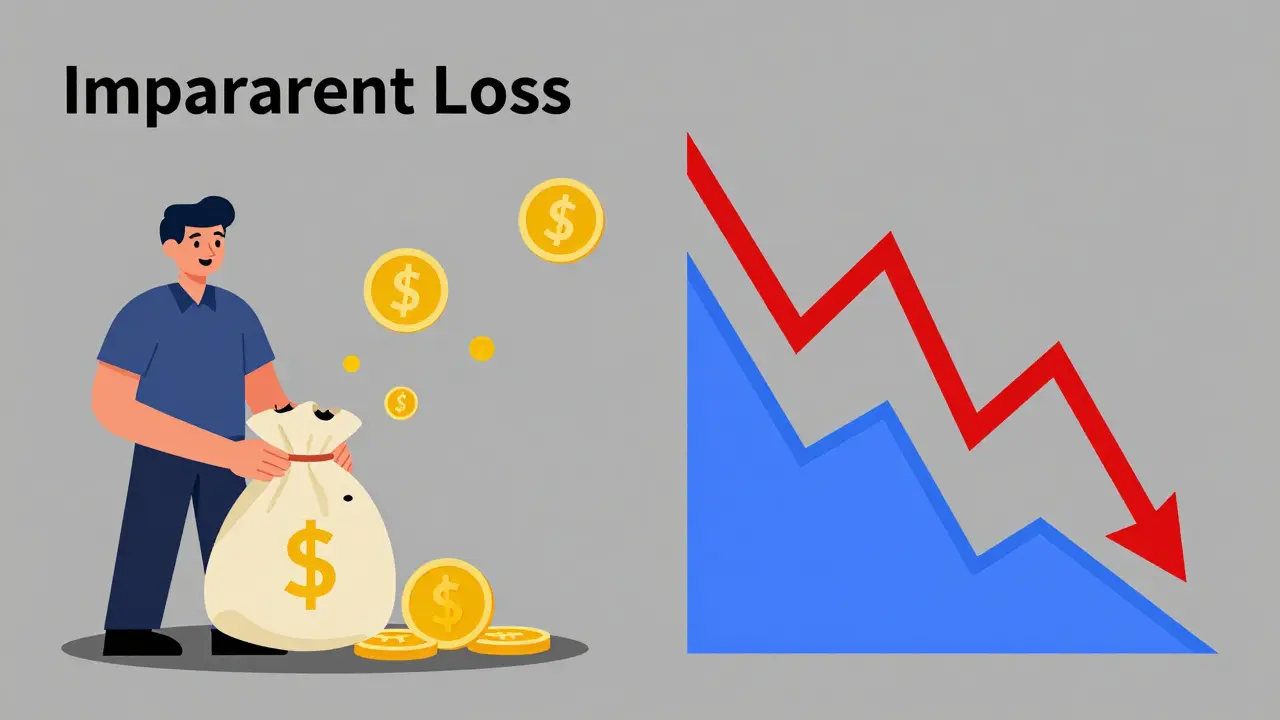
Risks for Investors: Impermanent Loss and Volatility
While mercenary capital sounds profitable, it carries significant risks. The most critical technical constraint is impermanent loss, which occurs when the relative price of deposited tokens changes compared to simply holding them.
For example, if you deposit ETH and USDC into a pool, and ETH’s price doubles while USDC remains stable, the AMM will rebalance the pool to maintain equal value. As a result, you end up with more USDC and less ETH than if you had just held both assets separately. During high volatility periods, impermanent losses can exceed 50%, wiping out any gains from reward tokens.
User experiences reflect this reality. On Reddit’s r/DeFi subreddit, user u/CryptoFarmer87 documented moving $50,000 across seven protocols in 30 days during August 2022, earning 23.7% returns but spending 11 hours weekly monitoring opportunities. Conversely, user u/DeFiLoser99 reported losing $28,000 in impermanent loss on a SushiSwap position during the May 2021 market crash, despite earning $12,000 in SUSHI rewards.
Other risks include:
- Reward Token Volatility: 73.2% of users experienced price drops exceeding 30% within 72 hours of earning rewards.
- Smart Contract Risks: $2.8 billion was lost to DeFi hacks in 2022 alone, according to Chainalysis.
- Gas Fees: High Ethereum network fees can eat into profits, especially for smaller positions.
A comprehensive survey by IntoTheBlock found that 68.3% of respondents had engaged in liquidity mining, with 42.1% admitting to being primarily motivated by short-term token rewards. Crucially, 76.8% said they would immediately withdraw if a better APY opportunity appeared elsewhere. This mindset defines mercenary capital.
How Protocols Are Fighting Back
Recognizing the dangers of mercenary capital, the DeFi industry has evolved toward more sustainable models. Here are three major approaches gaining traction:
| Model | Mechanism | Lock-up Period | Impact on Mercenary Capital |
|---|---|---|---|
| Traditional Liquidity Mining | Distribute rewards for providing liquidity | None or minimal | High churn; volatile TVL |
| Vote-Escrowed Tokens (veToken) | Users lock governance tokens to vote on rewards and earn higher yields | Up to 4 years | Reduces turnover; aligns incentives |
| Protocol-Owned Liquidity (POL) | Protocols buy liquidity directly using discounted bonds | Variable (days to weeks) | Eliminates reliance on external LPs |
| Safety Modules | Users stake tokens to insure protocol against losses | Fixed period (e.g., 182 days) | Creates sticky capital; reduces speculation |
Curve Finance and veCRV
Curve Finance implemented a revolutionary model with its veCRV system launched in August 2021. Instead of distributing CRV tokens freely, Curve requires users to lock CRV for up to four years to maximize rewards. The longer you lock, the higher your voting power and yield multiplier. As of October 2023, 65% of the total CRV supply was locked, demonstrating strong alignment between users and the protocol. This approach reduced mercenary capital turnover by 37% according to Curve’s transparency reports.
Olympus DAO and Protocol-Owned Liquidity
Olympus DAO pioneered the POL model in December 2020. Rather than relying on external liquidity providers, Olympus buys liquidity directly using discounted token bonds. Investors purchase OHM tokens at a discount (up to 33%) and lock them for 5-7 days. In return, Olympus uses treasury funds to acquire ETH/OHM liquidity pairs, ensuring permanent depth in its pools. By October 2023, 34 protocols had adopted similar POL models, controlling $482 million in protocol-owned liquidity.
However, POL is not without flaws. The OHM token declined 99% from its all-time high of $1,490 in May 2021 to $15 by November 2023, highlighting the risks of aggressive monetary policies. Still, the concept of owning your liquidity remains a powerful tool against mercenary capital.
Aave’s Safety Module
Aave introduced its safety module in v2 (December 2020), requiring users to lock AAVE tokens for 182 days to earn staking rewards while providing protocol insurance. This creates a buffer against exploits and encourages long-term participation. As of October 2023, 3.2 million AAVE tokens (22% of circulating supply) were locked, showing significant user commitment.
Bancor’s Anti-Withdrawal Penalties
Bancor v2.1 implemented gradually decreasing fees for early withdrawals-up to 1% for same-day exits. This penalty structure discourages rapid capital flight, reducing mercenary behavior by 47% based on internal metrics shared in August 2022.

Is Mercenary Capital Entirely Bad?
Not necessarily. Lisa Loud of Dragonfly Capital argued that mercenary capital was essential for bootstrapping the DeFi ecosystem. Protocols like Uniswap grew from $100 million to $7 billion in TVL in 2020 solely through liquidity mining incentives. Without mercenary investors, many projects might never have gained initial traction.
The problem arises when protocols become dependent on this capital. If a protocol cannot sustain operations without constant inflows of mercenary money, it is fundamentally flawed. The goal should be to transition from mercenary-driven growth to organic, utility-based adoption.
As Haseeb Qureshi of Dragonfly Capital predicted in October 2023, "the future belongs to protocols that can balance short-term growth incentives with sustainable tokenomics, likely through modular designs separating governance, utility, and reward tokens."
Practical Tips for Navigating Liquidity Mining
If you decide to participate in liquidity mining, keep these practical tips in mind:
- Use Monitoring Tools: Platforms like DeFiLlama, Zapper, and YieldWatch help identify high-yield opportunities. However, beware of scams promising unrealistic returns.
- Calculate Impermanent Loss: Use tools like Tokenomik’s Impermanent Loss Calculator to estimate potential losses before depositing.
- Diversify Positions: Don’t put all your capital into one protocol. Spread risk across multiple platforms and asset types.
- Understand Gas Fees: On Ethereum mainnet, gas fees can significantly impact profitability. Consider layer-2 solutions like Arbitrum or Optimism for lower costs.
- Read Documentation: Newer protocols often have complex mechanics. Spend time reading whitepapers and documentation to avoid costly mistakes.
- Set Realistic Expectations: High APYs usually come with high risks. Never invest more than you can afford to lose.
Beginners typically require 20-30 hours of study to safely navigate liquidity mining, according to CoinGecko Academy. Sixty-seven percent of novice users make critical errors in their first attempts, so education is paramount.
The Future of DeFi Liquidity
The DeFi ecosystem has matured significantly since 2020. Total value locked peaked at $182.8 billion in November 2021 before correcting to $45.7 billion as of October 3023. Today, 78% of new protocols launched in 2023 implement some form of token lockup requirement, signaling a shift toward sustainability.
Liquid staking derivatives (LSDs) like Lido’s stETH have also created new liquidity mining opportunities with more stable returns. The LSDfi sector grew to $14.2 billion in TVL by October 2023, offering an alternative to traditional volatile reward tokens.
Regulatory scrutiny is increasing as well. Since the SEC’s February 2023 enforcement action against Uniswap Labs, 17 countries have issued specific guidance on liquidity mining taxation. Investors must stay informed about legal obligations in their jurisdictions.
Looking ahead, Delphi Digital predicts that protocols implementing effective anti-mercenary mechanisms will capture 80% of DeFi market share by 2025. Meanwhile, Bernstein analysts warn that without fundamental improvements to tokenomics, liquidity mining could lose 60-70% of its current TVL within 18 months as capital shifts to emerging sectors like AI and gaming.
What is mercenary capital in simple terms?
Mercenary capital refers to money invested in DeFi protocols purely to earn short-term rewards, with no intention of staying long-term. These investors jump between protocols chasing the highest yields, then leave when better opportunities arise.
Why is mercenary capital bad for DeFi protocols?
It creates unstable TVL that disappears quickly, leading to price volatility and token dilution. When mercenaries dump their reward tokens, prices crash, hurting long-term holders and undermining protocol credibility.
What is impermanent loss?
Impermanent loss occurs when the price ratio of two tokens in a liquidity pool changes compared to when you deposited them. You end up with fewer valuable tokens than if you had just held them separately, resulting in a temporary (or permanent) loss.
How do protocols prevent mercenary capital?
Protocols use strategies like vote-escrowed tokens (veToken), protocol-owned liquidity (POL), safety modules, and withdrawal penalties. These mechanisms encourage long-term participation and reduce rapid capital flight.
Is liquidity mining still profitable in 2026?
Yes, but profits are lower and risks are higher than in 2020-2021. Success requires careful research, understanding of tokenomics, and active management. Blindly chasing high APYs often leads to losses due to impermanent loss and smart contract risks.
What is the difference between APY and APR?
APR (Annual Percentage Rate) shows nominal rewards without compounding. APY (Annual Percentage Yield) includes the effect of reinvesting rewards, giving a more accurate picture of actual earnings over time.
Can I avoid impermanent loss completely?
No, but you can minimize it by providing liquidity in stablecoin pairs (e.g., USDC/USDT) or correlated assets. Single-sided staking or lending also avoids impermanent loss entirely, though yields may be lower.
What happened to Olympus DAO?
Olympus DAO pioneered protocol-owned liquidity but suffered a 99% drop in its OHM token price from peak to late 2023 due to unsustainable monetary policy. Its model influenced many protocols, but its own failure highlights the risks of aggressive inflationary rewards.
Are there tax implications for liquidity mining?
Yes, in most jurisdictions, earned reward tokens are considered taxable income at fair market value upon receipt. Selling or swapping them later may trigger additional capital gains taxes. Consult a local tax professional for specific advice.
Which platforms are best for tracking liquidity mining opportunities?
DeFiLlama, Zapper, and YieldWatch are popular aggregators that display real-time APYs across hundreds of protocols. Always verify information independently and check community feedback before investing.