Merlin DEX Review: Is It a Real Exchange or Just Merlin Chain?
 Jul, 30 2026
Have you heard about "Merlin DEX" and wondered if it’s the next big thing for trading Bitcoin? You aren’t alone. The name pops up in crypto forums and social media feeds constantly. But here is the catch: there is no standalone product called "Merlin DEX." If you search for it like you would for Binance or Coinbase, you will hit a wall. So, what is everyone talking about?
The confusion comes from Merlin Chain, which is a Bitcoin Layer 2 blockchain solution designed to enhance scalability and interoperability. While Merlin Chain isn't an exchange itself, it hosts decentralized applications (dApps), including decentralized exchanges (DEXs). When people say "Merlin DEX," they usually mean swapping tokens on this network. This distinction matters because your experience depends entirely on how you interact with the underlying infrastructure.
What Actually Is Merlin Chain?
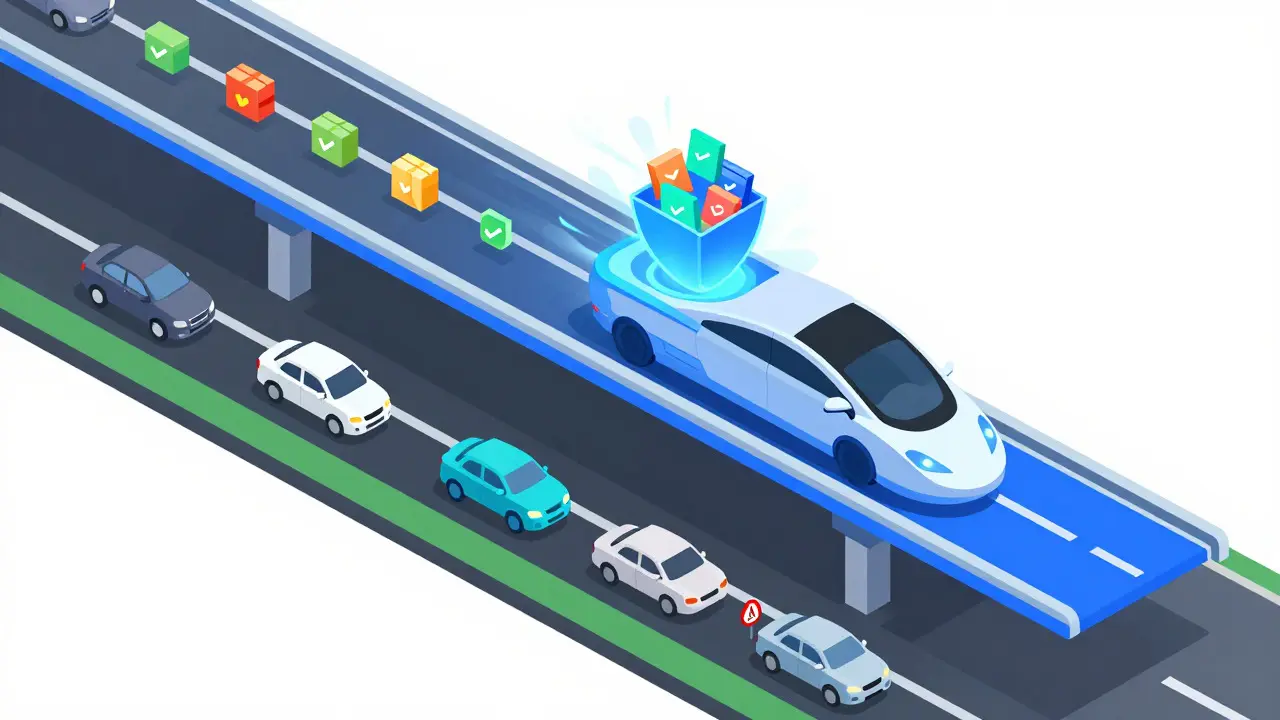
To understand the "Merlin DEX" concept, you first need to grasp what powers it. Merlin Chain is an EVM-compatible Layer 2 network built on top of Bitcoin. Think of it as a high-speed highway built over the congested main road of the Bitcoin network. It inherits Bitcoin's security but adds the flexibility of Ethereum-like smart contracts.
Why does this matter for trading? Traditional Bitcoin transactions are slow and expensive during peak times. Merlin Chain uses ZK-Rollup technology to bundle thousands of transactions off-chain and then post a single proof to the main Bitcoin blockchain. This allows the network to handle over 9,000 transactions per second (TPS) with fees that are often fractions of a cent. For a trader, this means near-instant swaps without draining your wallet on gas fees.
Unlike the Lightning Network, which requires you to open payment channels and manage liquidity manually, Merlin Chain works seamlessly with standard wallets. You connect your wallet, approve the transaction, and it goes through. No channel management headaches.
How Do You Trade on the "Merlin DEX"?
Since there is no central "Merlin App" store, trading happens through integrated decentralized exchanges and aggregators that run on the Merlin Chain protocol. Here is how the process typically works for users:
- Connect a Compatible Wallet: You need a Web3 wallet that supports the Merlin Chain network. Popular options include OKX Wallet, Bitget Wallet, and UniSat Wallet. These wallets allow you to switch networks with one click.
- Fund Your Wallet: You can bridge assets from Bitcoin or Ethereum to Merlin Chain using bridges like Orbiter Finance.
- Use a DEX Interface: Once on the network, you use interfaces provided by partners or native dApps to swap tokens. Tools like DEX Screener help you find these pairs and track liquidity in real-time.
This setup is non-custodial. That means you keep control of your private keys. However, it also means there is no customer support hotline if you make a mistake. Double-check addresses before confirming any transaction.
Key Features and Technical Advantages
Why choose Merlin Chain over other Bitcoin Layer 2 solutions? The technical architecture offers several distinct benefits for traders and developers alike.
| Feature | Merlin Chain | Lightning Network | Optimism (Bitcoin L2 variants) |
|---|---|---|---|
| Technology | ZK-Rollups | Payment Channels | Optimistic Rollups |
| Transaction Speed | Instant verification | Near-instant (if channel open) | Delayed finality (challenge period) |
| User Complexity | Low (Standard Wallet UI) | High (Channel Management) | Medium |
| EVM Compatibility | Yes | No (Native Bitcoin only) | Yes |
| Primary Use Case | DeFi & dApps | P2P Payments | Smart Contracts |
The ZK-Rollup approach is critical here. Optimistic rollups assume transactions are valid unless someone proves otherwise, which introduces a waiting period for withdrawals. ZK-Rollups provide mathematical proofs of validity instantly. This makes Merlin Chain safer and faster for active traders who don't want to wait days for funds to clear.
The Role of the MERL Token
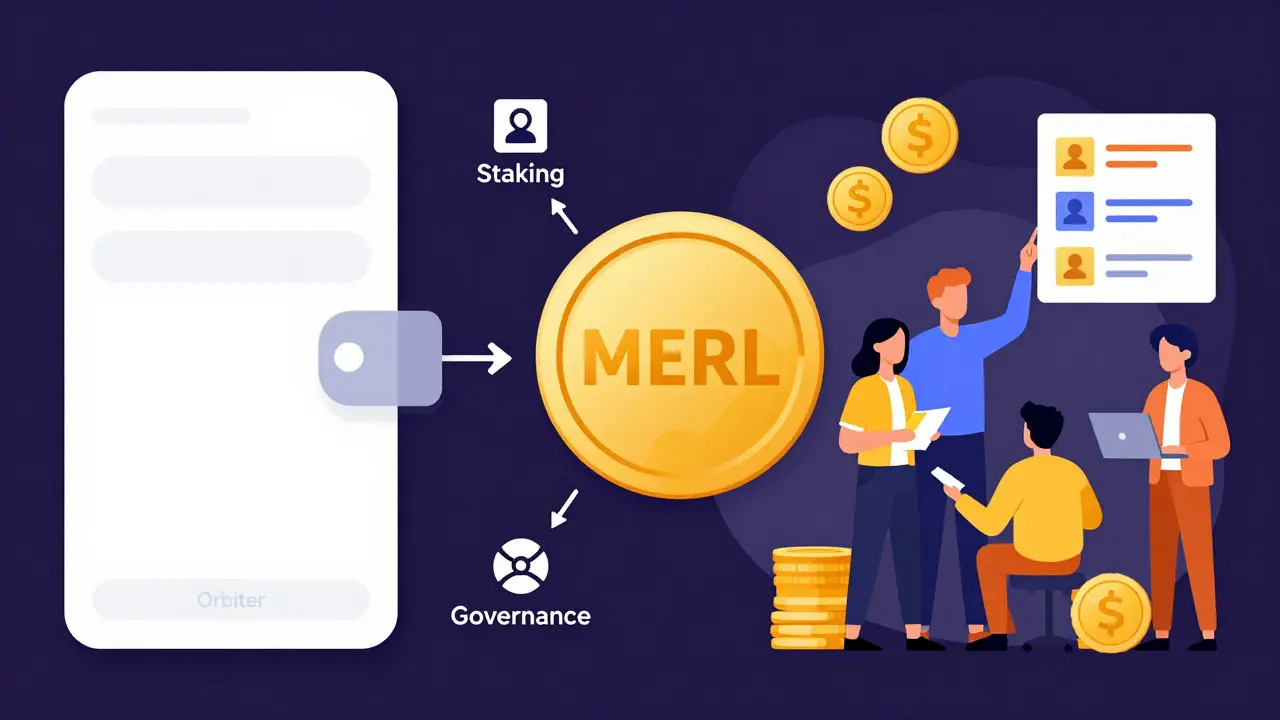
You can't talk about the ecosystem without mentioning the MERL token. This is the native utility and governance token of the Merlin Chain network. It serves three primary functions that directly impact your trading experience:
- Governance: Holders vote on proposals that shape the future of the chain. This includes fee structures and new protocol upgrades.
- Staking: Users can stake MERL to secure the network and earn rewards. Partners like StakeStone offer restaking opportunities, allowing you to earn additional yields on staked assets.
- Collateral: In DeFi protocols built on Merlin Chain, MERL can be used as collateral to borrow other assets, unlocking liquidity without selling your holdings.
If you are looking to trade on the "Merlin DEX," holding MERL might reduce your transaction fees or give you access to exclusive pools. Always check the specific terms of the dApp you are using.
Security and Ecosystem Integrations
In crypto, trust is earned through code and partnerships. Merlin Chain has secured strategic alliances with major players to bolster its credibility. For instance, BIT Exchange acts as an official custodian for certain staking activities, providing a layer of institutional oversight. Additionally, integrations with Bybit Wallet and OKX Web3 Wallet ensure that millions of users can access the network securely without complex manual configurations.
The platform also supports various Bitcoin-native protocols like BRC-20 and BRC-420, allowing meme coins and NFTs to move freely within the Layer 2 environment. This broad compatibility ensures that liquidity isn't siloed. However, remember that while the chain is secure, individual dApps may have vulnerabilities. Always audit the contract addresses you interact with.
Is Merlin Chain Right for You?
Merlin Chain is ideal for Bitcoin holders who want to participate in DeFi without leaving the Bitcoin ecosystem. If you are tired of high Ethereum gas fees but love the idea of smart contracts, this is a compelling option. It is particularly strong for those interested in cross-chain interoperability, thanks to partnerships with projects like MAPProtocol and TRON.
However, if you are a beginner who prefers the simplicity of a centralized exchange where you can reset passwords via email, stick to traditional platforms for now. Decentralized trading requires self-custody and technical diligence. There is no "undo" button.
Frequently Asked Questions
Is Merlin DEX a centralized or decentralized exchange?
There is no standalone "Merlin DEX" product. Instead, Merlin Chain is a Layer 2 blockchain that hosts decentralized exchanges. Trading occurs via non-custodial dApps where you retain control of your private keys, making it fully decentralized.
Which wallets support Merlin Chain?
Major Web3 wallets such as OKX Wallet, Bitget Wallet, UniSat Wallet, and Bybit Wallet support Merlin Chain. Most of these allow you to add the network with a single click without manual RPC configuration.
How does Merlin Chain compare to the Lightning Network?
The Lightning Network focuses on peer-to-peer payments using payment channels, which require liquidity management. Merlin Chain uses ZK-Rollups to enable smart contracts and DeFi applications with instant finality and lower user complexity, similar to Ethereum but on Bitcoin.
What is the MERL token used for?
The MERL token is used for governance voting, paying network fees, staking for security rewards, and serving as collateral in DeFi lending protocols built on the Merlin Chain ecosystem.
Is it safe to trade on Merlin Chain?
Merlin Chain inherits Bitcoin's security and uses ZK-Rollups for transparent verification. However, as with any DeFi platform, risks exist regarding smart contract bugs in individual dApps. Always verify contract addresses and start with small amounts.
Can I bridge Bitcoin directly to Merlin Chain?
Yes, you can bridge BTC to Merlin Chain using supported bridges like Orbiter Finance. This allows you to convert your Bitcoin into a wrapped version compatible with the EVM environment for trading.