Mind Music (MND) Airdrop: Campaign Details, Tokenomics, and Legacy
 Oct, 26 2026
Remember the wild west of 2022? Crypto projects were popping up everywhere, promising to revolutionize everything from gaming to gardening. One specific niche that grabbed headlines was Mind Music, a project claiming to be the world's first record label powered by cryptocurrency. If you were hunting for free tokens back then, you likely saw their massive global awareness campaign. But what actually happened? Did those trillions of MND tokens hold value, or did they vanish into the digital ether?
This article breaks down the Mind Music (MND) airdrop details, the mechanics behind the distribution, and how this experiment in combining Web3 with the music industry played out. We’ll look at the numbers, the partnerships, and the reality check on whether these "free" tokens ever became more than just wallet clutter.
The Core Concept: A Record Label on the Blockchain
Mind Music is a decentralized entertainment platform that integrates traditional music production with blockchain technology. Unlike standard streaming services where artists get paid fractions of a cent per play, Mind Music aimed to let fans own parts of the music ecosystem directly through its native token, MND.
The pitch was simple but ambitious. Traditional record labels take huge cuts. Mind Music wanted to cut out the middleman. By using smart contracts, they promised transparent royalty distributions and direct artist-fan interactions. The MND token served as the utility currency for this ecosystem, used for staking, governance, and accessing exclusive content.
To bootstrap this ecosystem, they needed users. Fast. That’s where the airdrop came in.
Airdrop Mechanics: The 30 Trillion Token Drop
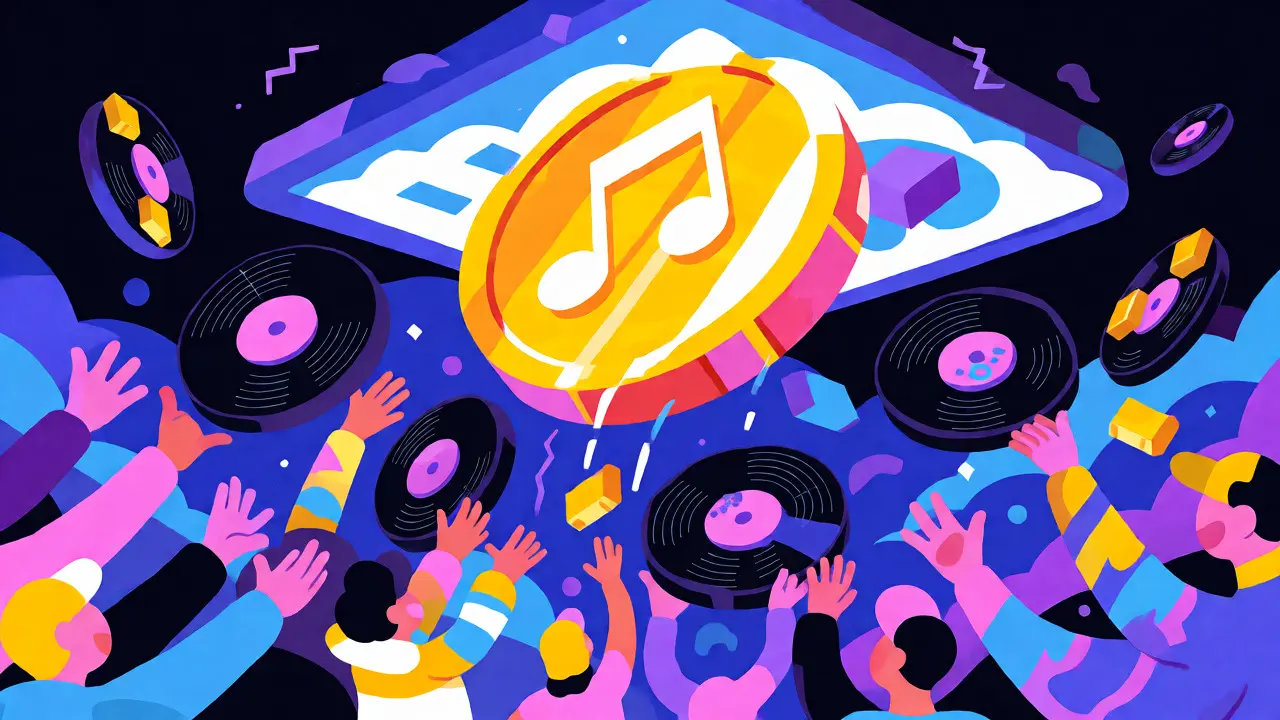
In March 2022, Mind Music launched a strategic partnership with CoinMarketCap to host a massive global awareness campaign. This wasn't a small giveaway. The prize pool consisted of 30 trillion MND tokens.
Here is how the math worked:
- Total Prize Pool: 30,000,000,000,000 MND
- Number of Winners: 15,000
- Average Reward: ~2 billion MND per winner
- Max Individual Reward: Up to 2,000,000,000 MND
Why so many zeros? It sounds impressive-"I won 2 billion tokens!"-but in crypto, supply size matters less than utility. The high supply allowed for micro-transactions within their platform, theoretically making it easier to buy a single song or tip an artist without dealing with tiny decimal places.
Participation required connecting a compatible wallet to CoinMarketCap’s Earn section. Users completed simple tasks like following social media accounts or joining Telegram groups. It was a classic user acquisition funnel: trade data and attention for potential financial upside.
Ecosystem Utility: Staking and Listings
An airdrop means nothing if the token has nowhere to go. Mind Music tried to solve this immediately. Alongside the airdrop, they launched staking pools offering up to 75% Annual Percentage Yield (APY). For context, typical bank savings accounts offer around 0.01% to 4%. Even risky DeFi protocols rarely sustain 75% APY long-term.
High yields are often a red flag for sustainability. They require constant new capital inflows to pay existing holders. To support liquidity, MND secured a listing on Coin Tiger, a centralized exchange known for hosting emerging altcoins. This gave airdrop recipients a place to sell or trade their tokens, though volume on smaller exchanges can be thin and volatile.
| Metric | Value/Detail | Context |
|---|---|---|
| Airdrop Total | 30 Trillion MND | Distributed to 15,000 users via CoinMarketCap |
| Staking APY | Up to 75% | Required wallet connection; high inflation risk |
| Exchange Listing | Coin Tiger | Provided initial trading liquidity |
| NFT Integration | Physical Vinyl + Digital | Bridged Web3 assets with tangible merchandise |
Beyond the Token: Music and NFTs
Mind Music didn’t just want to be a coin; they wanted to be a label. Their debut single, "HURT," claimed tens of thousands of Spotify streams and millions of views on TikTok. They even won a category in the UK Song Contest. These metrics suggest they had actual musical output, not just whitepaper promises.
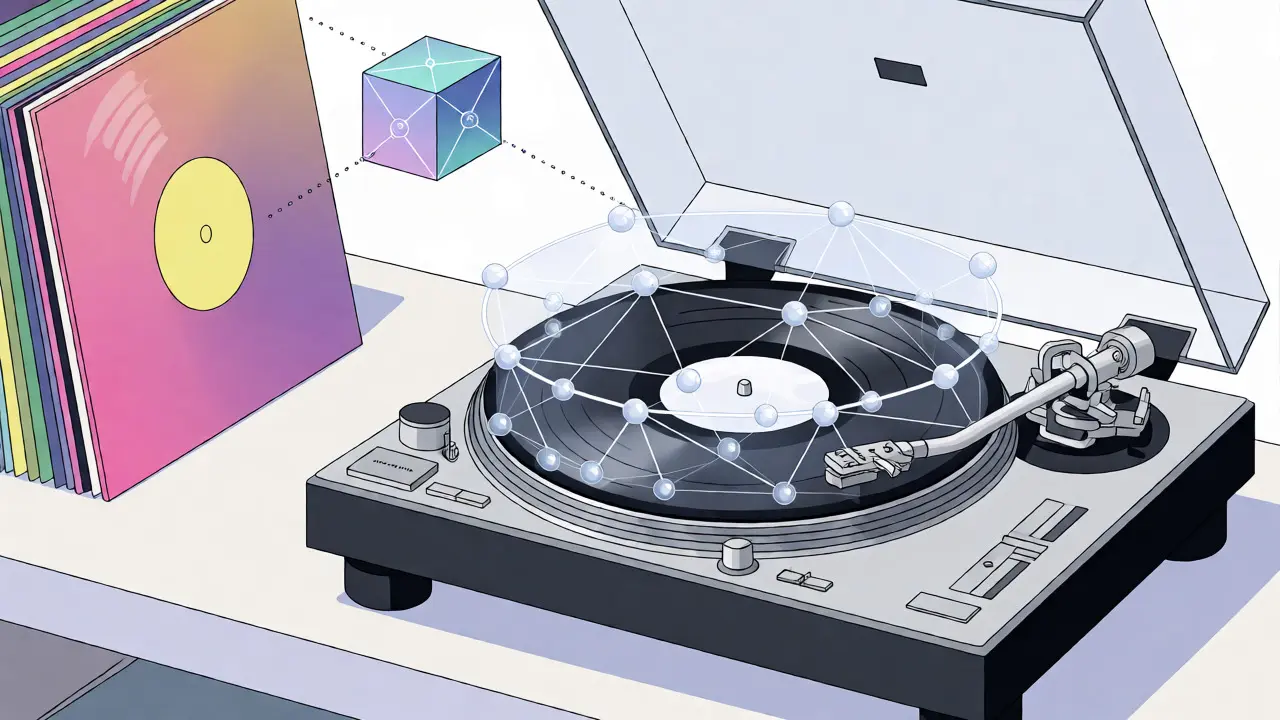
The most interesting feature was their NFT strategy. In a market flooded with profile picture JPEGs, Mind Music offered physical goods. Buying an NFT granted you a limited edition numbered colored vinyl, a CD, and a digital download. This hybrid model appealed to collectors who wanted both the blockchain proof of ownership and something to put on a shelf.
This approach highlighted a common struggle in crypto-entertainment: bridging the gap between speculative investors and genuine music fans. Most airdrop hunters didn't care about the vinyl. They cared about dumping the MND tokens. The challenge was converting those speculators into listeners.
The Reality Check: What Happened After?
Fast forward to late 2026. The hype cycle of 2022 has long since cooled. Many projects that launched during the bull run faded into obscurity. While Mind Music executed its launch plan well-airdrop, staking, listing-the long-term sustainability of a 75% APY model is tough to maintain without significant revenue generation from music sales or licensing.
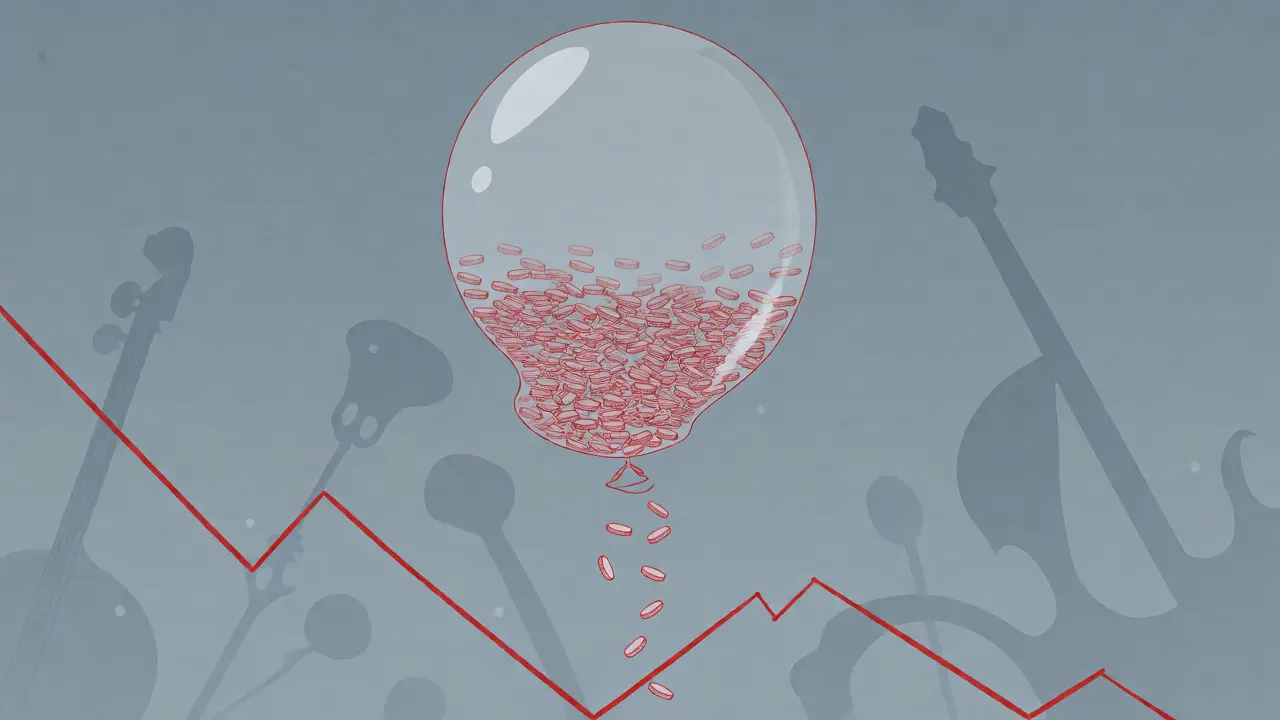
If you held your MND tokens, you likely experienced significant price volatility. The sheer volume of tokens released (30 trillion) created immediate selling pressure. Unless the platform generated enough demand to absorb that supply, the price would naturally drift downward. This is a common pattern in "high supply, low utility" altcoins.
However, the experiment provided valuable lessons. It showed that while blockchain can handle payments and ownership records, it doesn't automatically create hit songs or loyal fanbases. The music industry relies on marketing, radio play, and cultural relevance-things that code alone cannot guarantee.
Lessons for Future Crypto-Music Projects
If you're eyeing similar projects today, here is what the Mind Music case teaches us:
- Watch the Supply: Trillions of tokens usually mean pennies of value. Look for deflationary mechanisms or burn rates.
- Verify Utility: Can you actually use the token to buy music, tickets, or merch? Or is it just for speculation?
- Check the Exchange Quality: Being listed on top-tier exchanges (Binance, Coinbase) is far better than smaller venues like Coin Tiger for long-term stability.
- Sustainability of Yields: If a project offers 50%+ APY, ask yourself: Where is the money coming from? New investors or real profits?
Mind Music attempted to marry two very different worlds: the fast-moving, speculative nature of crypto and the slow, relationship-driven nature of the music business. It was a bold move, and while the token may not have made everyone rich, the campaign successfully introduced thousands of people to the concept of Web3 entertainment.
How many MND tokens did winners receive in the Mind Music airdrop?
The total prize pool was 30 trillion MND tokens distributed among 15,000 winners. On average, each winner received approximately 2 billion MND tokens, with some receiving up to 2 billion depending on the selection algorithm.
Was the Mind Music airdrop legitimate?
Yes, the airdrop was legitimate and hosted in partnership with CoinMarketCap. Participants completed verification tasks to qualify. However, legitimacy does not guarantee profit; the token's market performance varied significantly after distribution.
What was the APY for staking MND tokens?
During the launch phase, Mind Music offered staking rewards with an Annual Percentage Yield (APY) of up to 75%. This high rate was designed to encourage holding rather than immediate selling, though such rates are difficult to sustain long-term.
Did Mind Music release physical merchandise with NFTs?
Yes, the project integrated physical goods with digital assets. Purchasing certain NFTs entitled buyers to limited edition numbered colored vinyl records, CDs, and digital downloads, bridging the gap between crypto ownership and traditional collectibles.
Where was the MND token traded?
The MND token was primarily listed on Coin Tiger, a centralized exchange. It also facilitated trading through the CoinMarketCap interface during the airdrop period. Availability on major tier-1 exchanges was limited compared to larger cap cryptocurrencies.