Namibia Crypto Banking Restrictions: The Virtual Assets Act Explained
 May, 14 2026
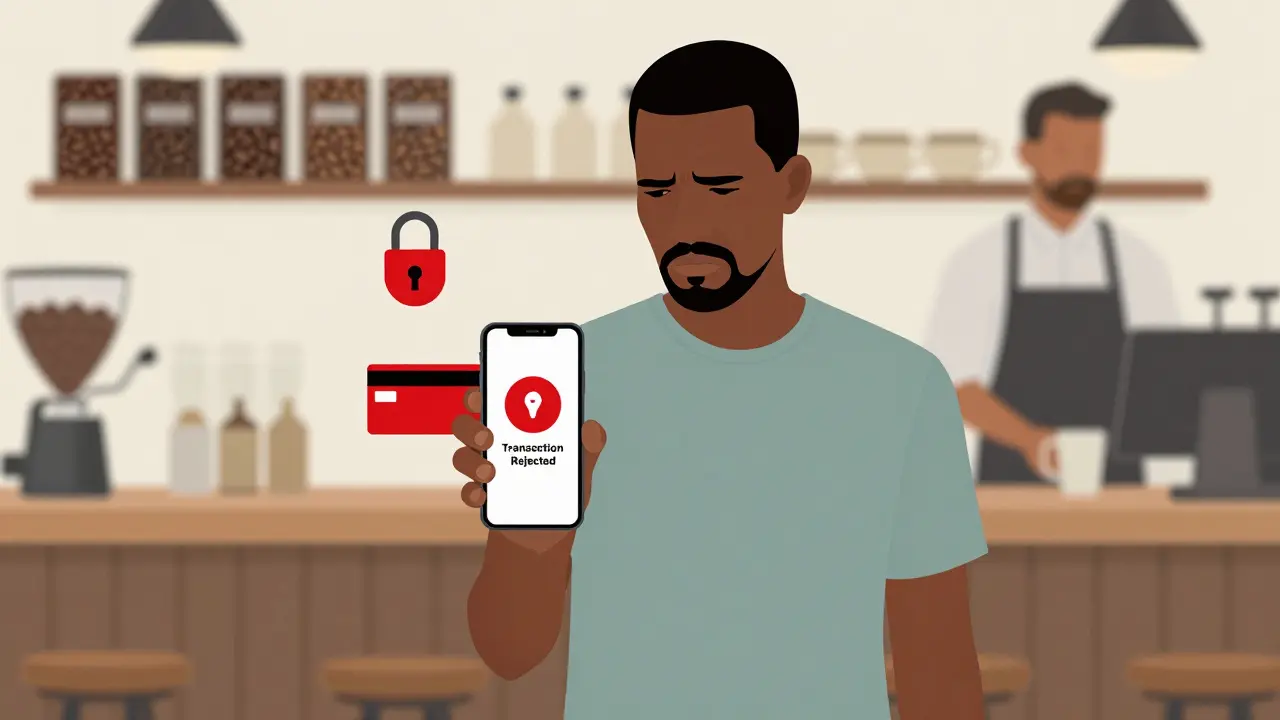
Imagine trying to buy a coffee with Bitcoin in Windhoek. You pull out your phone, scan the QR code, and wait for the transaction to clear. Instead of a successful ping, you get a rejection from your bank. Your account is frozen, or worse, closed entirely. This isn’t just a hypothetical nightmare for early adopters; it has been the harsh reality for many Namibians navigating the country’s complex stance on digital assets. For years, the Bank of Namibia (BON) took a hardline approach, effectively telling citizens that if they lost money in crypto, there was no safety net.
But the landscape is shifting. It’s no longer a simple "no." Since 2023, Namibia has moved toward a regulated, albeit cautious, framework. The introduction of the Virtual Assets Act of 2023 marked a turning point, creating a path for licensed businesses while keeping individual users in a gray area. If you are looking to operate in this space-whether as a business owner or an individual investor-you need to understand exactly where the lines are drawn today. The rules are strict, the oversight is intense, and the penalties for non-compliance are severe.
The Shift from Ban to Regulation
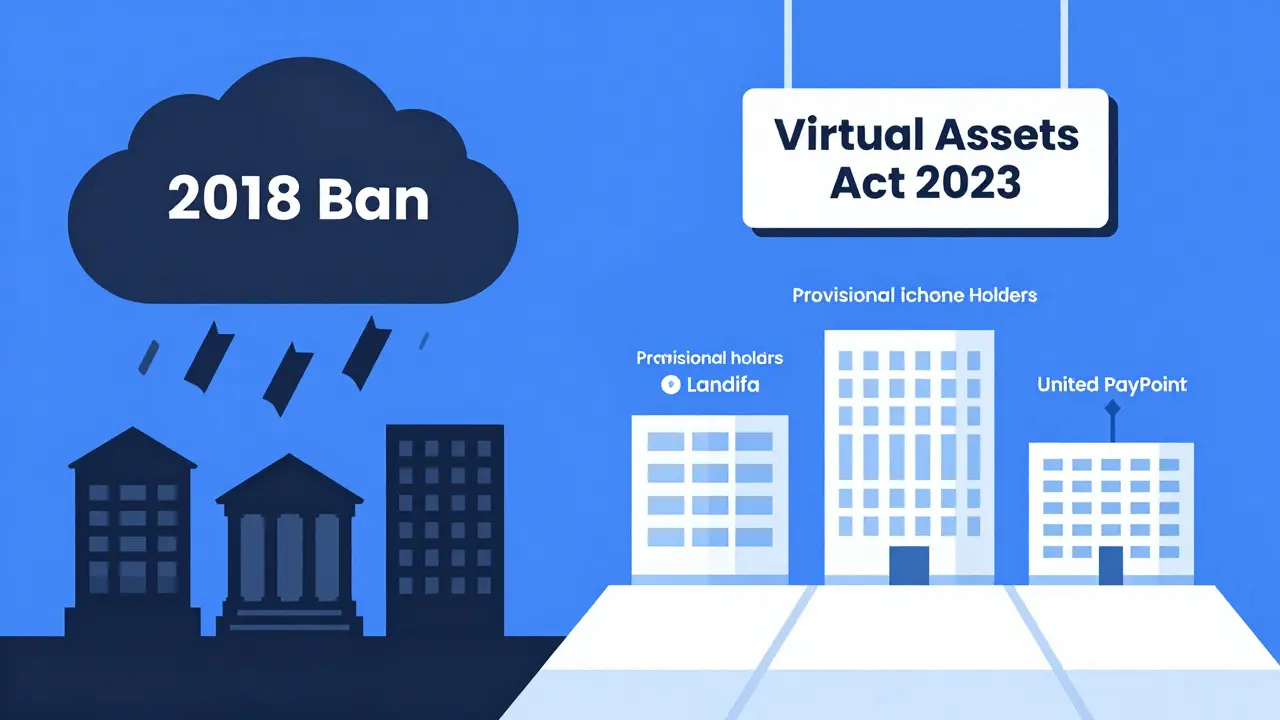
To understand current restrictions, you have to look back at where things started. In May 2018, the Bank of Namobia issued a statement that sent shockwaves through the local financial community. They declared that cryptocurrency did not constitute legal tender and was not supported by the central bank. More importantly, they warned that anyone engaging in these transactions would have "no recourse" to the bank in case of loss. This wasn't just advice; it was a deterrent. The bank explicitly opposed using cryptocurrencies for payments and refused to recognize them as commodities.
This stance created a vacuum. Without official recognition, banks treated crypto accounts as high-risk. Many financial institutions simply blocked transactions associated with known exchanges or froze accounts linked to investment clubs. Legal practitioners noted cases where individuals using major banks like NedBank and Standard Bank found their access cut off due to regulatory pressure. The message was clear: stay away from crypto, or lose your banking relationship.
The tide began to turn in 2022 when BON announced that Bitcoin could be used as payment at a merchant's discretion. This was a small crack in the door, allowing limited usage without granting legal tender status. However, the real change came in July 2023 with the signing of the Virtual Assets Act (Act No. 10 of 2023). This legislation didn't just tweak the rules; it built an entire infrastructure for oversight. It established the requirement for all Virtual Asset Service Providers (VASPs) to register and obtain licenses through the Namibia Financial Institutions Supervisory Authority (NAMFISA).
Who Can Operate? The VASP Licensing Process
If you want to run a crypto exchange or wallet service in Namibia, you cannot just open shop. The Virtual Assets Act requires rigorous compliance. The process is designed to filter out bad actors and ensure that only financially sound entities enter the market. As of early 2025, the Bank of Namibia implemented a two-step provisional licensing system to test this framework.
In January 2025, three companies received provisional authorizations: Landifa Bitcoin Trade CC, United PayPoint (Pty) Ltd, and Mindex Virtual Asset Exchange. These weren't green lights to start trading immediately. Instead, they were six-month probationary periods. During this time, these entities were strictly prohibited from conducting any business with individuals or other entities in Namibia. They operated in a regulatory sandbox, focusing solely on building infrastructure, hiring staff, and implementing compliance systems.
| Entity Name | Initial Provisional Period | Extension Deadline | Status |
|---|---|---|---|
| Landifa Bitcoin Trade CC | 6 Months | July 31, 2025 | Under Due Diligence |
| United PayPoint (Pty) Ltd | 6 Months | May 13, 2025 | Under Due Diligence |
| Mindex Virtual Asset Exchange | 6 Months | November 21, 2025 | Under Due Diligence |
Kazembire Zemburuka, a spokesperson for BON, explained that the bank conducts thorough due diligence during this period. "Only after six months do they get final approval," he stated. "In the meantime, they must hire their people and put infrastructure in place." If a company proves ready before the six months are up, the bank can inspect their setup and grant early operational approval. This ensures that when these platforms go live, they meet strict anti-money laundering (AML) and counter-terrorist financing (CTF) standards.
Individual Users: Still in the Danger Zone?
Here is where it gets tricky for everyday Namibians. While the government is paving the way for licensed businesses, the status of individual trading remains ambiguous. Despite the new laws, the Bank of Namibia continues to state that it does not recognize cryptocurrencies like Bitcoin as legal tender. Some industry observers note that technically, unregulated crypto trading remains illegal for the general public because there are no fully licensed retail platforms yet operating openly for consumer use.
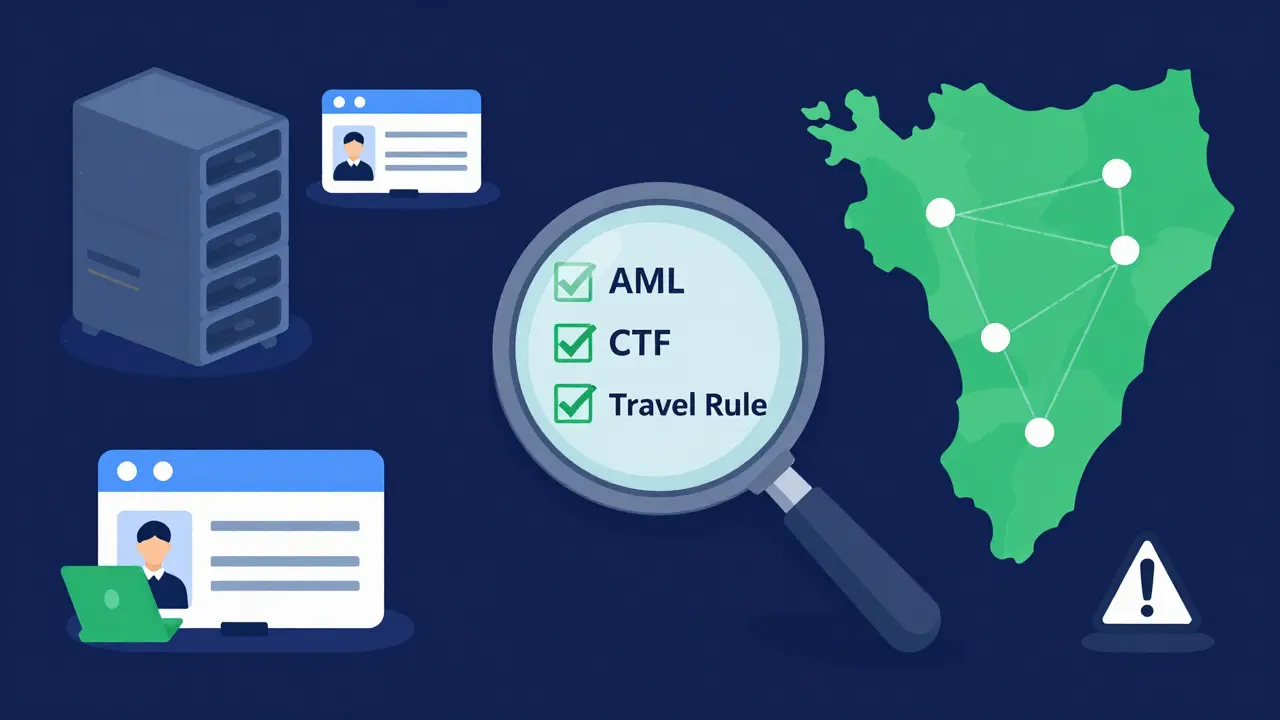
This creates a paradox. The government wants innovation but fears instability. Consequently, traditional banks remain hesitant. If you try to move large sums of fiat currency into offshore crypto exchanges, your bank will likely flag the transaction. The Travel Rule, aligned with international standards, requires VASPs to share sender and receiver information for transactions exceeding NAD 20,000 (approximately USD 1,000). This means anonymity is dead. Every significant transaction is tracked, scored for risk, and reported to NAMFISA.
For individuals involved in crypto investment clubs or informal trading groups, the risk is still high. Banks have previously restricted accounts based on regulatory guidance, even if the user hasn't broken any specific criminal law. The lack of clear consumer protection means that if you trade on an unlicensed platform and get scammed, the Bank of Namibia will not help you recover your funds. You are operating in a void where innovation meets extreme caution.
Compliance Requirements for Businesses
If you are planning to launch a fintech venture in Namibia, the bar is set high. The Virtual Assets Act works alongside the Payment System Management Act of 2023 to create a comprehensive oversight regime. To get a license, you must demonstrate more than just technical capability. You need to prove financial stability and operational integrity.
Key requirements include:
- AML/CTF Protocols: You must implement robust systems to detect suspicious activities. This includes real-time monitoring and automated reporting tools.
- Record Keeping: Detailed records of every individual transacting on your platform must be maintained. This aligns with the Travel Rule requirements.
- Infrastructure: You must show proof of secure technology stacks, cybersecurity measures, and adequate staffing.
- Local Presence: Foreign exchanges not based in Namibia are banned. You must operate locally under NAMFISA supervision.
This focus on local presence is crucial. It prevents Namibian users from being exposed to unregulated foreign entities that might collapse or engage in fraud without any local recourse. By forcing VASPs to incorporate locally, the government ensures that regulators have jurisdiction over the entity and its assets.
Regional Context and Future Outlook
Namibia’s approach is part of a broader trend in Southern Africa. Countries like South Africa have also moved toward regulating rather than banning crypto, with the Financial Intelligence Centre Act amendments requiring registration of virtual asset service providers. Namibia’s framework is seen as progressive but cautious. It aims to foster trust in the digital asset industry while protecting investors from the volatility and scams that have plagued the sector globally.
The success of the current provisional licensing system will determine the future trajectory. If Landifa, United PayPoint, and Mindex successfully complete their probation and begin operations, it will signal a maturing market. Retail users may finally have safe, compliant channels to buy and sell crypto. However, until then, the environment remains restrictive. The Bank of Namibia remains reluctant to embrace blockchain technology broadly, preferring to keep tight control over the monetary system.
As we move through 2026, the key question is whether the government will clarify the legal status for individual traders. Will they introduce personal licensing, or will they rely solely on regulated intermediaries? Until that clarity emerges, Namibians interested in crypto must proceed with extreme caution, understanding that their banking relationships are fragile and their assets unprotected.
Is cryptocurrency legal in Namibia?
The legality is nuanced. While the Bank of Namibia does not recognize crypto as legal tender, the Virtual Assets Act of 2023 provides a regulatory framework for businesses. Trading itself is not explicitly criminalized for individuals, but using unlicensed platforms carries significant risk, and banks may restrict accounts involved in such activities.
Can I use Bitcoin to pay for goods in Namibia?
Yes, since 2022, merchants can accept Bitcoin at their discretion. However, it is not legal tender, meaning merchants are not obligated to accept it, and the value fluctuates. Most major retailers still prefer fiat currency due to regulatory uncertainty.
What happens if my bank freezes my crypto account?
If your bank restricts your account due to crypto activity, you have limited recourse. The Bank of Namibia has stated that users engaging in crypto transactions have "no recourse" to the central bank in case of loss. You may need to seek legal counsel, but the bank’s stance is that they are enforcing regulatory guidelines to mitigate risk.
How do I get a license to run a crypto exchange in Namibia?
You must apply for a Virtual Asset Service Provider (VASP) license through NAMFISA. This involves a provisional authorization period where you build infrastructure and comply with AML/CTF rules. Only after passing due diligence and inspection will you receive full operational approval.
What is the Travel Rule in Namibia's crypto regulation?
The Travel Rule requires VASPs to collect and share sender and receiver information for transactions exceeding NAD 20,000. This includes names, ID numbers, and account details to ensure transparency and prevent money laundering.