P2P Crypto Trading Volumes in Restricted Countries: Impact of Sanctions and Bans
 Oct, 15 2026
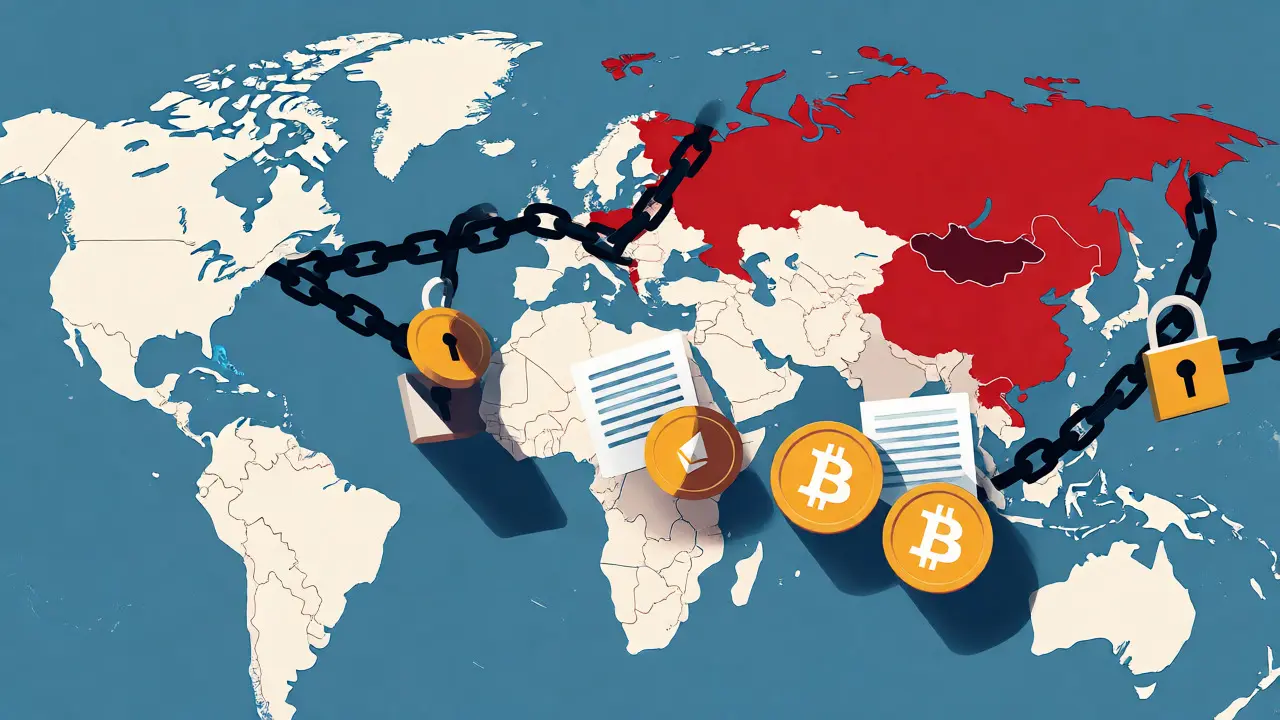
Imagine trying to send money home or buy groceries with digital currency, only to find your options shrinking because of a list you’ve never heard of. That’s the reality for millions in P2P crypto trading is a method where individuals exchange cryptocurrencies directly without relying on centralized intermediaries, making it vital in regions where formal exchanges are blocked or heavily regulated. While the world talks about crypto adoption, the data tells a different story in places hit by sanctions or strict local bans. In 2024 alone, OFAC sanctions, issued by the U.S. Office of Foreign Assets Control, triggered a 60% drop in peer-to-peer volume on Russian and Iranian exchanges. It’s not just about politics; it’s about liquidity drying up when compliance walls go up.
The Global Shift from Bans to Regulation
You might think most countries still hate crypto, but that’s outdated. By 2025, only 12% of emerging markets kept outright bans, down from 19% in 2023. That sounds like good news, right? Not exactly. The remaining 88% allow trading, but often under such tight regulatory frameworks that P2P volumes suffer anyway. For instance, while China maintains a complete ban, effectively killing domestic P2P markets, other nations like Pakistan allow limited P2P trading under strict oversight. This middle-ground approach creates a confusing landscape for traders who can’t easily move funds across borders.
The shift isn’t uniform. Argentina legalized crypto for international trade settlements in 2025, opening doors that were previously shut. Meanwhile, Kenya reversed its ban on crypto banking services in 2024, allowing regulated P2P exchanges to flourish. But these wins are exceptions. In many African and Middle Eastern nations, uncertainty remains high. When banks fear penalties for touching crypto-related transactions, users retreat to informal networks, which are harder to track and often less liquid.
How Sanctions Crush Liquidity
Sanctions are the biggest disruptor for P2P markets today. The U.S. Treasury’s Office of Foreign Assets Control (OFAC) doesn’t just block specific people; they freeze assets and restrict wallet interactions globally. In 2024, $740 million worth of stablecoins were frozen due to OFAC enforcement, a 35% increase from the previous year. If your wallet touches a sanctioned address, even indirectly, you risk getting flagged. Nine out of ten US-based exchanges now block access to wallets on the Specially Designated Nationals list.
This has a chilling effect. Traders in restricted countries like Russia or Iran don’t just face lower prices; they face fewer counterparties. Why would a trader in Europe want to sell Bitcoin to someone in Tehran if their own bank account could get frozen for processing the payment? The result is an 18% decrease in global crypto transaction volume linked to sanctioned entities between 2023 and 2024. International remittances via crypto in these jurisdictions dropped by 21%. People aren’t stopping using crypto entirely; they’re just finding it harder to cash out into fiat currencies.
Exchange Policies and Regional Blacklists
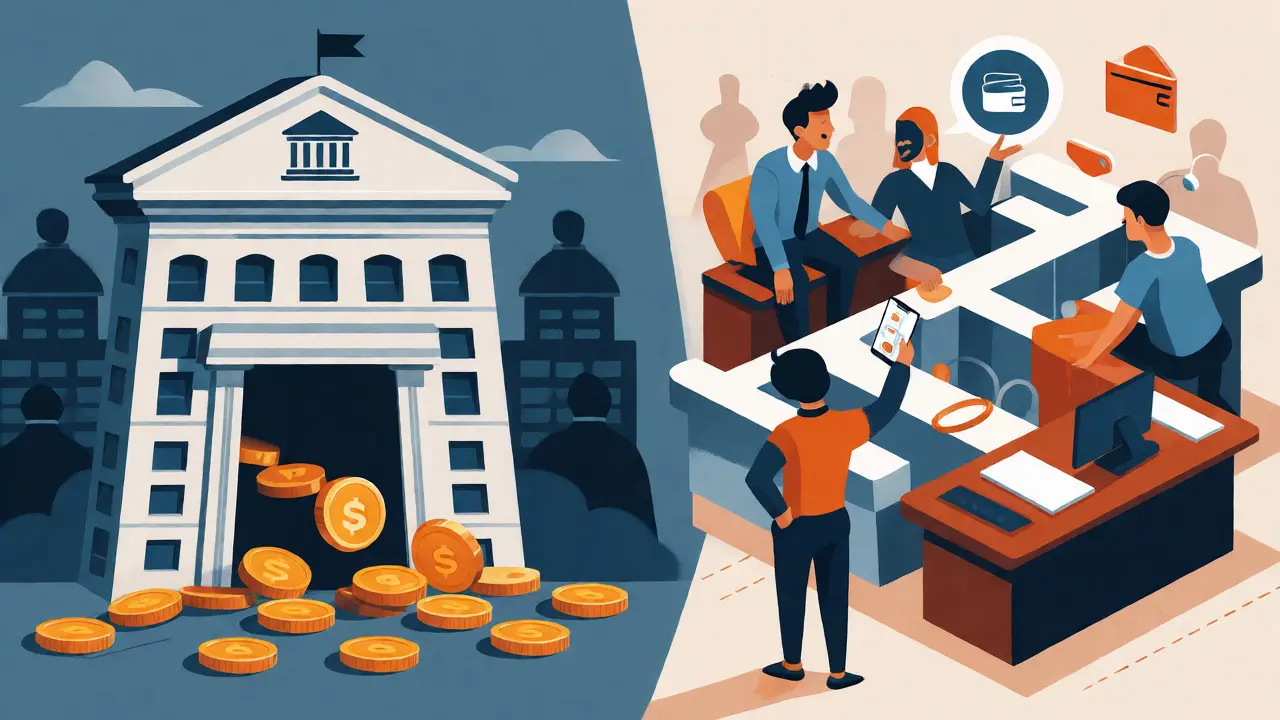
Major platforms act as gatekeepers, often erring on the side of caution. Binance, the world’s largest exchange, has faced bans or restrictions in at least 10 countries. In Nigeria, the Securities and Exchange Commission declared Binance illegal in 2023, leading to executive detentions and the disabling of Naira services. This wasn’t just a slap on the wrist; it forced Nigerian traders to migrate to smaller, less regulated P2P platforms, increasing fees and fraud risks.
OKX restricts users in over twenty countries, categorizing them into high-sanctioned jurisdictions like Iran and North Korea, and selective restriction markets like India and Malaysia. These lists change frequently. A country might be open one month and restricted the next due to political shifts. For example, Belgium ordered Binance to halt operations in 2023 for non-compliance with EU financial laws. Canada saw a complete withdrawal after strict regulations led to a $4.32 million fine for anti-money laundering violations. Each exit leaves a vacuum filled by fragmented local apps, reducing overall market efficiency.
| Country/Region | Restriction Type | Impact on P2P Volume | Key Driver |
|---|---|---|---|
| Russia & Iran | High-Sanctioned Jurisdiction | -60% Drop | OFAC Wallet Freezes |
| Nigeria | Regulatory Ban (Binance) | Fragmented Market | SEC Enforcement |
| China | Total Ban | Near Zero Official Volume | State Monetary Policy |
| Vietnam | Decriminalized (2025) | Growing Informal Sector | Tax Compliance Focus |
| Argentina | Legalized for Trade | Increase in B2B P2P | Inflation Hedge Demand |
DeFi Compliance and the Privacy Paradox
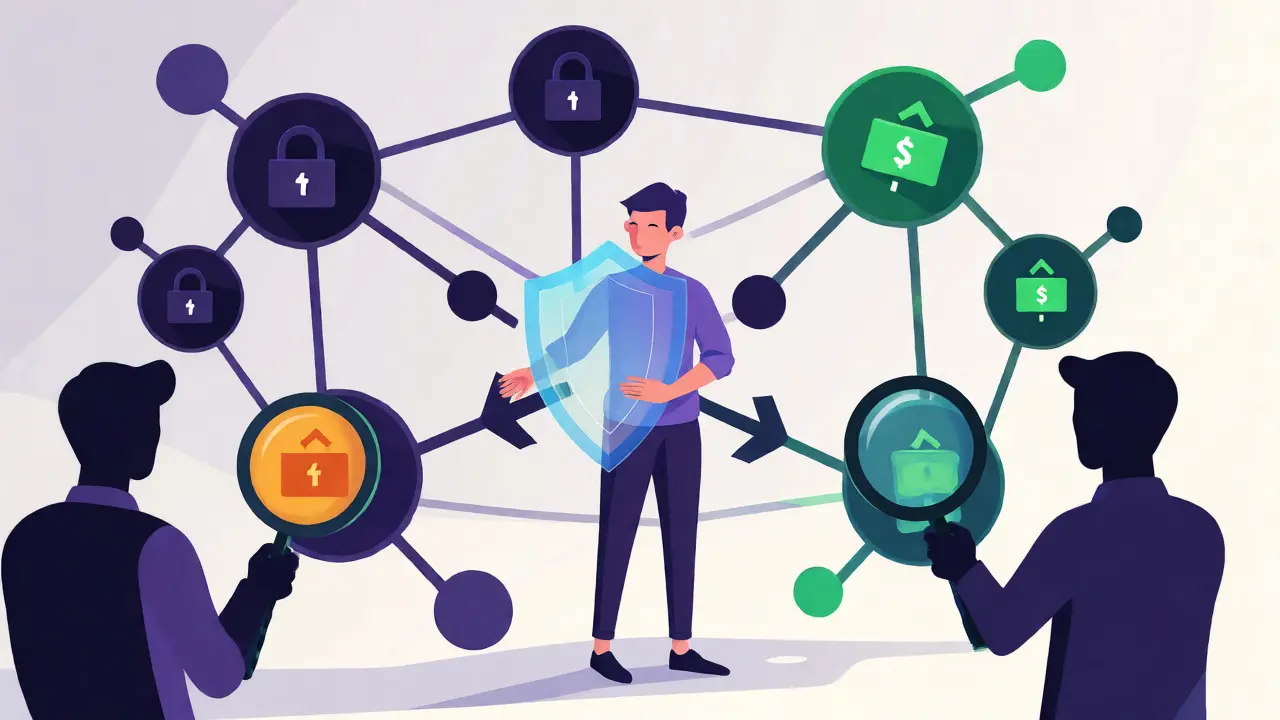
You might think decentralized finance (DeFi) solves this because there’s no central authority to ban you. But DeFi protocols have started complying with sanctions too. About 42% of DeFi platforms reported drops in international transactions after implementing OFAC compliance measures in 2024. The sanctioning of Tornado Cash, a privacy mixer, caused a 48% drop in illicit transaction volumes using mixers. This didn’t just hurt criminals; it scared away legitimate users in restricted countries who value privacy.
Ethereum-based transactions involving sanctioned entities declined by 29% after stricter monitoring protocols were introduced. Users are now wary of interacting with smart contracts that might blacklist their addresses. This creates a paradox: the technology designed to bypass borders is increasingly bound by national legal boundaries. If you’re in a restricted country, you might need to use non-custodial wallets and avoid popular DeFi pools to keep your funds accessible.
Surviving the Restriction Landscape
If you’re trading in a restricted region, flexibility is key. Relying on one platform is dangerous. Many traders use a mix of local OTC desks, Telegram groups, and smaller regional exchanges that haven’t yet been targeted by major regulators. Stablecoins remain the most popular asset for P2P trades because they offer stability against local currency inflation, especially in countries like Turkey and Argentina.
However, beware of "fake" liquidity. Some P2P ads look attractive but come with hidden risks, such as counterparty chargebacks or frozen bank accounts. Always verify the reputation of your trading partner. Use escrow services whenever possible, even though they add friction. And keep records. With tax authorities in countries like Vietnam and Turkey tightening rules, proving the source of your funds is becoming essential for avoiding audits.
Frequently Asked Questions
Why do P2P trading volumes drop in sanctioned countries?
Volumes drop because major exchanges block users to comply with sanctions, and individual traders fear having their bank accounts frozen. This reduces the number of active buyers and sellers, lowering liquidity and increasing spreads.
Can I still use Binance in restricted countries?
It depends on the specific country. Binance is banned in some places like Nigeria and restricted in others like Canada and parts of Europe. Users often resort to Binance.com vs Binance.us distinctions or use alternative regional exchanges.
What happens if my wallet is flagged by OFAC?
If your wallet interacts with a sanctioned address, centralized exchanges may freeze your funds. You might need to prove the legitimacy of the transaction to unlock them, which can take weeks or months. Using non-custodial wallets avoids immediate freezing but complicates off-ramping to fiat.
Are there safe alternatives to major exchanges in restricted zones?
Yes, local OTC desks and niche regional exchanges often operate where giants cannot. However, they carry higher counterparty risk. Always start with small test transactions and use trusted community forums to vet partners.
How does DeFi compliance affect P2P traders?
Many DeFi protocols now integrate chain analysis tools to flag sanctioned addresses. If you trade with a flagged user, your interaction might be recorded, potentially affecting future withdrawals from centralized bridges or exchanges.