PLGR Pledge Finance Airdrop: Details, Status, and Tokenomics
 Sep, 16 2026
You clicked on this title hoping to find out if you missed out on free money. Maybe you saw a tweet about PLGR or heard rumors of a Pledge Finance airdrop. Here is the hard truth right now: there is no active, widely publicized "free claim" airdrop for PLGR happening today. If you are looking for a simple button to click and get rich, you might be chasing a ghost.
But don't close the tab yet. Understanding why this confusion exists-and what actually happened with the token distribution-is crucial if you hold PLGR or plan to buy it. The story of Pledge Finance isn't just about an airdrop; it's about a complex launch structure, liquidity struggles, and how early incentives work in decentralized finance (DeFi). Let’s break down exactly what the community means when they talk about PLGR rewards, where the tokens went, and what you should expect from this project moving forward.
The Reality Check: Is There an Active PLGR Airdrop?
Let’s clear up the biggest misconception immediately. As of September 2026, there is no major, ongoing airdrop campaign for Pledge Finance that allows new users to simply connect a wallet and claim thousands of tokens for doing nothing. Most searches for "PLGR airdrop" lead back to the project’s initial launch phases between 2021 and 2023.
Why do people still search for it? Because crypto projects often use the term "airdrop" loosely. They might refer to:
- Retroactive Rewards: Tokens given to early users who interacted with the protocol before the token launched.
- Liquidity Mining: Earning PLGR by providing liquidity to pools, which feels like getting free tokens.
- Vesting Unlocks: Early investors seeing their locked tokens release over time, sometimes mistaken for new drops.
If you see a website promising a "New PLGR Airdrop 2026," be skeptical. Scammers love targeting tokens with low visibility. Always verify claims on official channels like the Pledge Finance X (formerly Twitter) account or their Discord server. Never sign transactions on random sites claiming to be the official airdrop portal unless you are 100% sure of the URL.
How Pledge Finance Actually Distributed Its Tokens
To understand the current state of PLGR, you have to look at its origin. Pledge Finance didn’t just dump tokens into the market. It used a structured Token Generation Event (TGE) that concluded in October 2021. This was the primary mechanism for distributing supply, not a retroactive airdrop for general users.
The distribution model was designed to prevent immediate sell-offs. Investors could choose different vesting schedules during the public sale:
| Option Type | TGE Unlock % | Remaining Vesting Schedule | Best For |
|---|---|---|---|
| Immediate Access | 100% | None | Traders wanting instant liquidity |
| Quarterly Vesting | 40% | 20% per quarter | Moderate risk tolerance |
| Long-Term Hold | 25% | 25% per quarter | Believers in long-term utility |
This structure meant that a significant portion of the circulating supply was locked up initially. Over time, these unlocks created selling pressure as early buyers cashed out. This historical context explains why the token price has struggled to gain traction compared to newer DeFi protocols that launched with more aggressive marketing campaigns.
Understanding PLGR Tokenomics and Supply
When evaluating any crypto asset, numbers matter. PLGR operates on a fixed maximum supply framework. While some sources cite a total supply of 1 billion, others reference a max cap of 3 billion depending on inflation mechanisms or burned tokens. Currently, the circulating supply appears restricted or poorly tracked on major aggregators, which raises red flags for liquidity.
Here are the key metrics you need to know:
- All-Time High (ATH): Approximately $0.009362 (December 2024).
- All-Time Low (ATL): Approximately $0.0001602 (April 2025).
- Current Price Range: Hovering near $0.000211, showing extreme volatility and low trading volume.
- Funding Raised: The project raised around $3 million in private rounds and up to $30 million via ICO efforts.
The gap between the ATH and current price is massive. This suggests that many early participants are underwater. If you are waiting for an airdrop to compensate for losses, remember that airdrops are usually small relative to the market cap. They rarely save a struggling token from fundamental issues.
What Does Pledge Finance Actually Do?
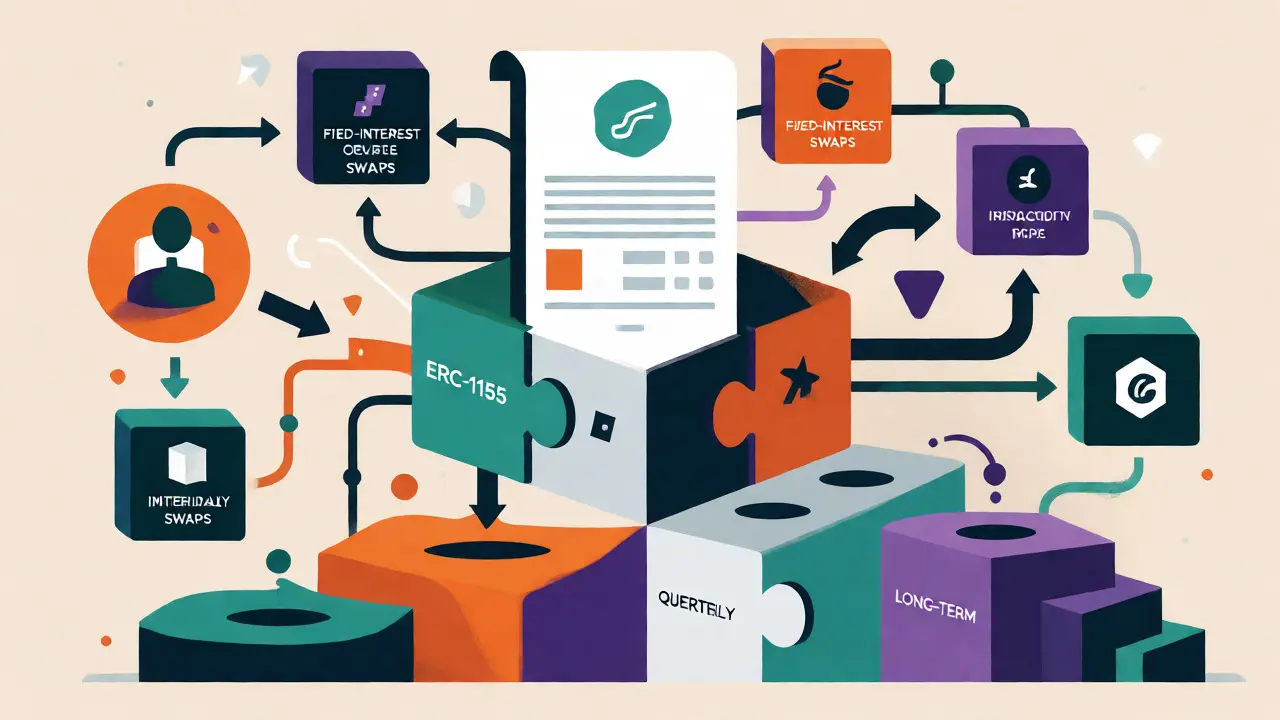
Before you invest hope (or money), you need to know what the product does. Pledge Finance is a DeFi lending protocol focused on structured products. Unlike basic lending platforms like Aave or Compound, Pledge aims to offer fixed-interest rate swaps and refinancing options.
Think of it this way: Standard DeFi lending gives you variable rates based on supply and demand. Pledge tries to create "bonds" using NFTs. Each loan or financial instrument is represented as an ERC-1155 NFT. This allows users to trade their debt positions or interest-bearing assets like collectibles.
Key features include:
- Cross-Chain Compatibility: Built initially on Binance Smart Chain but aiming for multi-chain support.
- NFT-Based Assets: Loans and bonds are tokenized, enabling secondary market trading.
- Algorithmic Rates: Interest rates are set by algorithms rather than pure governance votes, aiming for stability.
Is this unique? Not entirely. Projects like dYdX and Vega Protocol operate in similar derivatives spaces. Pledge’s niche is catering to non-traders who want predictable returns without managing complex leverage positions.
Liquidity Challenges and Market Sentiment
Here is the elephant in the room: PLGR suffers from severe liquidity issues. Data from tracking platforms shows daily trading volumes often hitting $0.00 or negligible amounts. What does this mean for you?
Low liquidity means two things:
- High Slippage: If you try to sell even a moderate amount of PLGR, you might crash the price because there aren't enough buyers on the other side.
- Price Manipulation Risk: With thin order books, a single large sell order can drop the price significantly, triggering stop-losses and causing panic.
Social sentiment reflects this struggle. Community engagement metrics rank Pledge Finance lower than top-tier DeFi projects. The "Fear & Greed Index" for the broader crypto market may show greed, but specific sentiment for PLGR remains cautious. Many holders are waiting for a catalyst-such as a new partnership, exchange listing, or actual feature rollout-to revive interest.
How to Stay Updated on Future Rewards
Just because there is no active airdrop today doesn’t mean there won’t be one tomorrow. Crypto projects often reward loyal users to re-engage them after periods of stagnation. If you want to position yourself for potential future rewards, here is your checklist:
- Interact with the Protocol: Use the platform for lending or borrowing. Activity logs are often used for retroactive distributions.
- Join the Community: Participate in Discord discussions. Sometimes team members announce testnet rewards or bug bounties that pay out in PLGR.
- Monitor Governance Proposals: If Pledge implements DAO governance, voting rights might come with rewards.
- Watch for Exchange Listings: New listings on centralized exchanges (like Binance, Coinbase, or KuCoin) often come with promotional airdrops for depositors.
Keep an eye on the official Pledge Finance blog and social media channels. Set up alerts for keywords like "distribution," "claim," or "snapshot." A snapshot date is critical-it determines who gets the tokens based on their balance at that exact moment.
Comparison: PLGR vs. Other DeFi Lending Tokens
To help you decide if PLGR is worth watching, let’s compare it to established competitors. Note that this comparison focuses on utility and market presence, not just price.
| Feature | PLGR (Pledge) | Aave (AAVE) | dYdX (DYDX) |
|---|---|---|---|
| Primary Focus | Structured Credit/NFT Loans | General Lending/Borrowing | Perpetual Derivatives Trading |
| Token Utility | Governance, Fee Discounts | Governance, Staking Safety Module | Governance, Fee Reductions |
| Liquidity Status | Very Low / Restricted | High / Global Markets | High / Global Markets |
| User Base | Niche / Small | Massive / Institutional | Large / Trader-Focused |
The takeaway? PLGR is a high-risk, high-reward play in a crowded market. It lacks the brand recognition and liquidity depth of Aave or dYdX. However, if the team successfully executes its vision of NFT-backed credit markets, the upside could be significant due to its smaller market cap.
Final Verdict: Should You Wait for the Airdrop?
If you are holding PLGR, patience is your best friend. The lack of current airdrops is disappointing, but it also means you aren’t competing with millions of farmers dumping tokens instantly. The project’s value hinges on whether it can solve its liquidity crisis and deliver on its technical promises.
For those looking to enter, do not buy solely expecting an airdrop. Buy because you believe in the technology behind structured DeFi lending. Keep your expectations realistic. An airdrop, if it comes, will likely be modest. The real profit lies in the token’s appreciation if the protocol gains adoption.
Stay vigilant against scams. Verify every link. And remember, in crypto, "no news" is often better than "bad news." Silence from the team might just mean they are building, not talking.
Is there currently an active PLGR airdrop?
As of late 2026, there is no widely recognized, active open-registration airdrop for PLGR. Most past distributions occurred during the 2021 TGE and subsequent vesting periods. Be wary of third-party sites claiming otherwise.
Why is PLGR trading volume so low?
Low trading volume is due to limited exchange listings, reduced user activity on the Pledge Finance platform, and potentially delisting from smaller exchanges. This creates a cycle where low liquidity discourages new traders from entering.
Can I still earn PLGR through staking?
Check the official Pledge Finance app for current staking opportunities. While traditional yield farming may have paused, some versions of the protocol allow users to stake PLGR for governance participation or fee discounts, though yields vary.
Where can I safely buy PLGR?
PLGR is primarily traded on decentralized exchanges (DEXs) like PancakeSwap due to its BSC roots. Centralized exchange availability is limited. Always check CoinMarketCap or CoinGecko for the most up-to-date list of active trading pairs.
What happens if the project fails?
If Pledge Finance fails to attract users or secure funding, the token price could continue to decline toward zero. In DeFi, utility drives value. Without active loans and trades on the platform, the token loses its primary use case.
Christy Keirn
September 18, 2026 AT 04:25Oh, look at this. Another DeFi ghost town pretending to be alive. You spent three thousand words explaining that there is no money left for us peasants? Groundbreaking journalism. Truly. The liquidity is zero, the volume is non-existent, and yet people still buy it like it's the next Bitcoin. It’s pathetic, really. I love watching these small-cap coins bleed out while their communities scream into the void about "utility" and "roadmaps." It’s a circus, and you just handed everyone a ticket.
Henry Vendiola
September 19, 2026 AT 20:11It is tough when the hype fades and only the core utility remains. Many holders are likely underwater, which creates significant psychological pressure to sell on any minor rebound. The lack of active marketing makes retention difficult in such a crowded sector.
Elizabeth Floyd
September 20, 2026 AT 02:57Hey guys! :D Just wanted to add a bit of context here because I think we might be being too harsh on the team?? :)
I remember when Pledge launched, the NFT loan concept was actually pretty innovative for BSC at the time. Sure, the liquidity is dry now, but structured credit is still a huge untapped market if they can solve the user experience issues. Maybe the low volume is just because nobody is actively trading the debt positions yet? We should probably check if the actual TVL (Total Value Locked) has stabilized before writing them off completely. It happens to many projects during bear markets or quiet periods. Let's stay open-minded! ;)
Jacquelyn Miller
September 20, 2026 AT 14:19Open-mindedness is a virtue, until it blinds you to the reality of dead capital. :)
You speak of "potential," but potential does not pay dividends. It does not cover gas fees. The market has spoken, loudly, with its silence. If the product was truly solving a pain point, users would migrate regardless of the token price. They haven't. Therefore, the premise is flawed. We are witnessing the slow decay of an idea that failed to find product-market fit. It is not a tragedy; it is simply economics working as intended. Sad, perhaps, but inevitable.
Rebecca Frank
September 21, 2026 AT 22:09It is morally irresponsible to encourage speculation on assets with such poor transparency regarding supply inflation. Investors have a right to clear data, not vague promises of future DAO governance. Holding onto hope instead of facts is a choice, but labeling it as "investment" without rigorous due diligence is misleading to the community.
Emily Sue
September 22, 2026 AT 08:11ugh honestly i feel bad for the devs tho
i know its easy to sit here and type when ur not building
but crypto moves so fast that even good ideas get buried if u dont have massive marketing budgets
im still holding bc i believe in the nft loan thing eventually taking off
just need more patience i guess!!
we gonna make it!!!
Zayda Hayes
September 23, 2026 AT 16:55Thank you for sharing this detailed breakdown. It is quite helpful for those of us trying to navigate the current landscape.
To address the concerns raised by others: Yes, the liquidity is indeed thin, which requires careful management of exit strategies. However, dismissing the project entirely overlooks the technical foundation they have built. For new users, my advice would be to treat PLGR as a speculative venture rather than a stable store of value. Monitor the official Discord for specific announcements regarding testnet rewards, as those are often overlooked. Community engagement is key, but so is personal risk assessment. Stay safe!