ProtonSwap Crypto Exchange Review: Is This DEX Worth Your Time?
 Sep, 9 2026
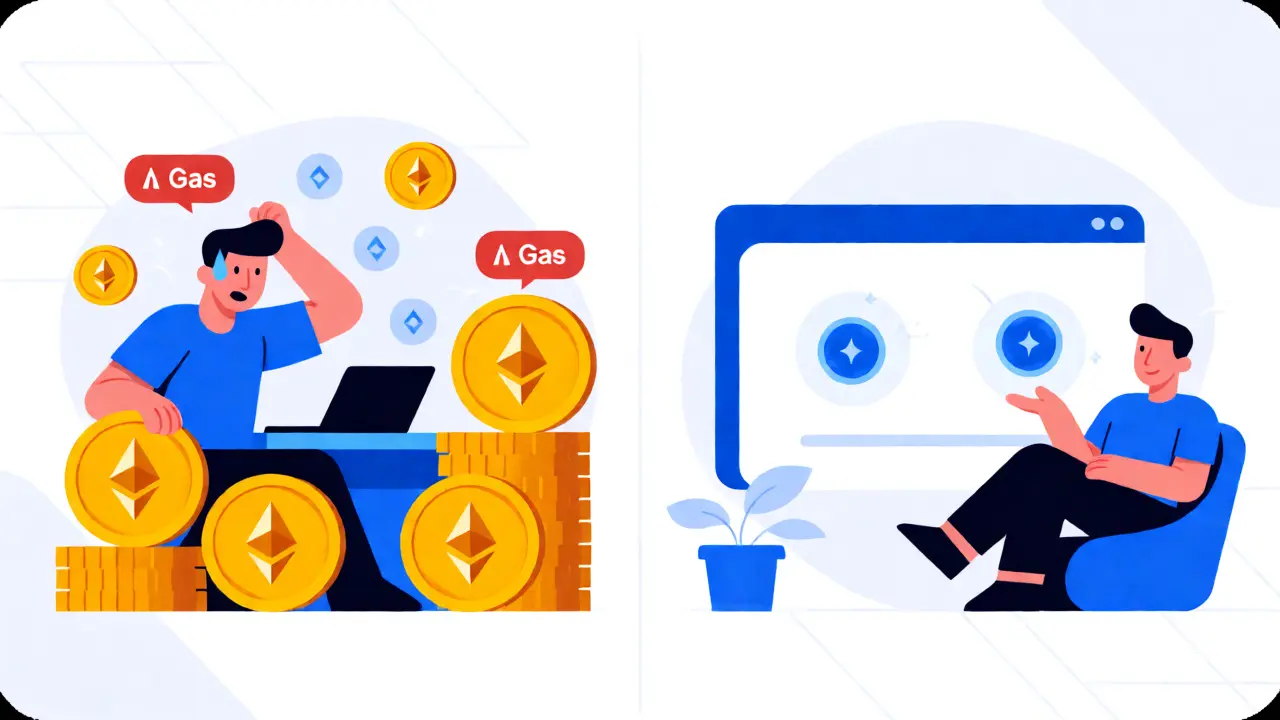
Imagine swapping tokens without worrying about those eye-watering gas fees that eat up your profits on Ethereum. That’s the promise of ProtonSwap, a decentralized cryptocurrency exchange built specifically for the Proton blockchain. But here is the catch: while it offers speed and low costs, its market presence is barely a whisper compared to giants like Uniswap or Kraken. If you are curious about this niche player, you need to know exactly what you are getting into before connecting your wallet.
The Core Concept: What Actually Is ProtonSwap?
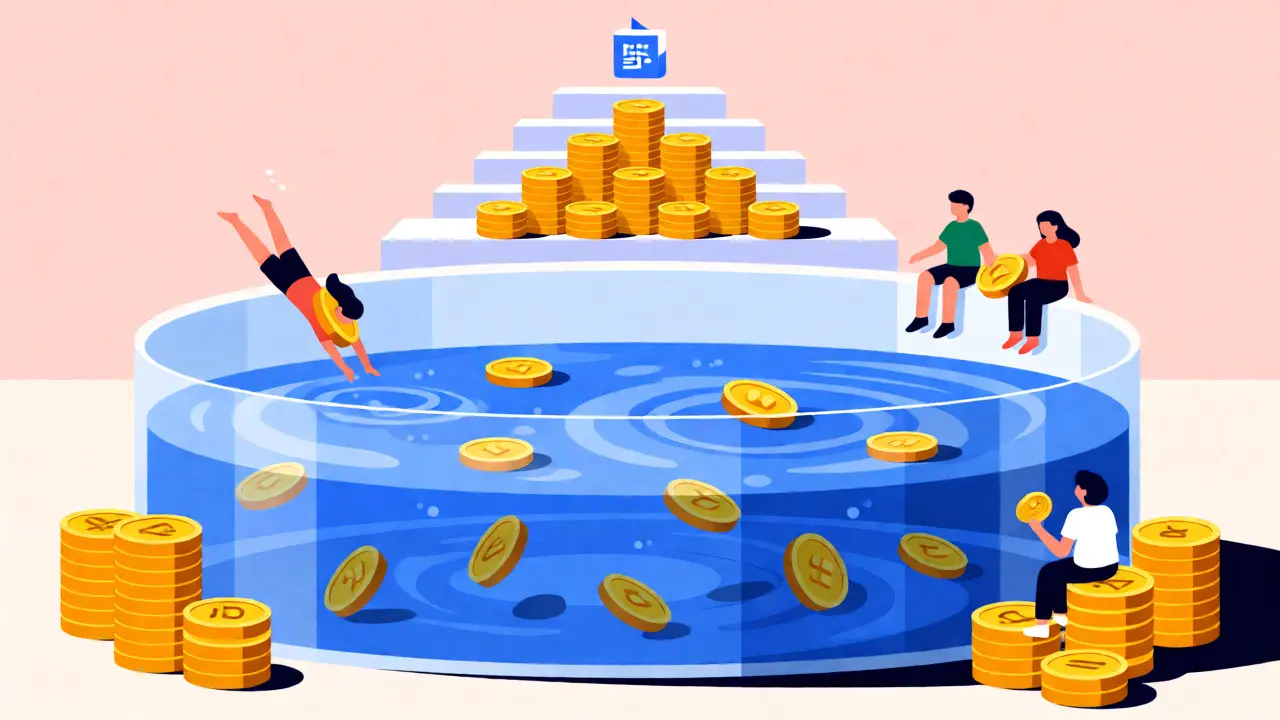
At its heart, ProtonSwap is an Automated Market Maker (AMM). Unlike centralized exchanges where you trade against other users through an order book, here you trade against liquidity pools. These pools are smart contracts holding pairs of tokens. When you swap one token for another, you interact directly with these contracts. The key differentiator? It runs on the Proton Blockchain, which is designed for high-speed transactions with minimal overhead.
This setup means you keep custody of your assets. You don’t deposit funds into a central vault; instead, the swap happens between your wallet and the protocol. For privacy-focused traders or those who distrust custodial platforms, this non-custodial nature is a major selling point. However, being locked into a single ecosystem means you can only trade assets native to Proton. No Bitcoin, no Ethereum, just the specific tokens supported by this network.
Fees and Staking: How Much Does It Cost?
Let’s talk money. Trading on most DEXs involves two types of costs: network gas fees and trading fees. ProtonSwap aims to eliminate the former entirely. Because the Proton blockchain doesn’t require traditional mining in the same way proof-of-work chains do, transaction costs are negligible. But you still pay trading fees.
The standard fee structure is split. Liquidity providers (the people who fund the pools) earn 0.2% of every trade. Meanwhile, 0.1% goes to stakers of the native XPR Token. But wait, there is a twist. You can slash these fees dramatically by staking XPR yourself. Here is how the discount tiers work:
- Stake 100,000 XPR: Get a 33% discount on trading fees.
- Stake 1 Million XPR: Get a 66% discount.
- Stake 10 Million XPR: Trade completely free (100% discount).
For casual traders, hitting 1 million XPR might be unrealistic unless you are already deep into the Proton ecosystem. For whales, though, trading for free is a powerful incentive. It creates a loyalty loop: the more you stake, the cheaper you trade, encouraging long-term commitment to the network.
| Feature | ProtonSwap | Kraken (Centralized) |
|---|---|---|
| Asset Custody | User-controlled (Non-custodial) | Exchange-controlled (Custodial) |
| Supported Assets | Proton Ecosystem Tokens Only | 410+ Cryptocurrencies |
| Gas Fees | Negligible/Zero | Varies by network withdrawal |
| Trading Volume Data | Untracked/Limited Visibility | Transparent & High Volume |
| Target Audience | Proton Community & Privacy Seekers | General Crypto Traders |
The Elephant in the Room: Market Visibility and Trust
Here is where things get tricky. If you look up ProtonSwap on CoinMarketCap, you will likely see "Untracked Listing." What does that mean? It means the platform hasn’t provided verified volume data to the tracker, or perhaps the volume is too low to meet their standards. In the crypto world, unverified volume is a red flag. It could indicate wash trading (where users trade with themselves to fake activity) or simply a lack of mainstream adoption.
Unlike established exchanges that publish transparent order books and depth charts, ProtonSwap operates somewhat in the shadows. There are few user reviews on Reddit or Trustpilot. You won’t find detailed API documentation or extensive customer support channels easily accessible. This scarcity of information makes due diligence harder. Are you trading on a robust platform, or a ghost town? Without reliable data, assessing liquidity risk becomes guesswork.
Liquidity Risks: Can You Actually Sell?
In decentralized finance, liquidity is king. If a pool has low liquidity, even small trades can cause massive price slippage. Imagine trying to sell $1,000 worth of a token, but because the pool is shallow, you only get $800 back. That’s slippage eating your capital.
Because ProtonSwap is restricted to the Proton ecosystem, its total value locked (TVL) is naturally lower than multi-chain giants like Uniswap or PancakeSwap. Before you make a large trade, always check the pool depth. If you are new to the platform, start with small amounts. Test the waters. See how much the price moves when you execute a swap. If the spread is wide, stay away until more liquidity providers enter the game.

Who Should Use ProtonSwap?
So, is ProtonSwap right for you? Probably not if you want to trade Bitcoin, Ethereum, or Solana. It is also not ideal if you prefer the safety net of customer support and regulatory compliance seen in places like Kraken or Coinbase.
However, it shines for a specific niche: the Proton community insider. If you already hold XPR tokens and want to put them to work, ProtonSwap allows you to earn yield by providing liquidity or save on fees by staking. It appeals to those who believe in the Proton blockchain’s vision of scalable, fee-less transactions. If you are tired of paying $50 in gas fees just to move a stablecoin, the zero-fee model here is attractive, provided the asset selection meets your needs.
Final Verdict: A Niche Tool, Not a Mainstream Hub
ProtonSwap is a functional, specialized tool within the Proton ecosystem. It delivers on its promise of fast, cheap swaps for users already invested in that network. But calling it a top-tier exchange would be misleading. Its lack of tracked volume, limited asset range, and minimal public footprint place it firmly in the "experimental" or "community-driven" category rather than the "industry leader" category.
If you are exploring DeFi beyond the big names, give it a try with small amounts. Keep your expectations realistic regarding liquidity and support. And remember, in crypto, transparency is trust. Until ProtonSwap opens up its data to trackers like CoinMarketCap, proceed with caution.
Is ProtonSwap safe to use?
Safety depends on your definition. Technically, as a non-custodial DEX, you retain control of your private keys, reducing the risk of exchange hacks. However, smart contract risks always exist. Since ProtonSwap is less audited and visible than major DEXs, the code risk may be higher. Always verify the official URL to avoid phishing sites.
Why is ProtonSwap listed as 'Untracked' on CoinMarketCap?
This usually means the exchange hasn't submitted verified volume data to CoinMarketCap, or the volume is below their threshold for tracking. It indicates limited market visibility and suggests that reported volumes might not reflect real-world trading activity accurately.
Can I trade Bitcoin or Ethereum on ProtonSwap?
No. ProtonSwap operates exclusively on the Proton blockchain. You can only trade tokens that exist within the Proton ecosystem. To trade BTC or ETH, you would first need to bridge or swap them into a Proton-compatible token via another platform.
How do I reduce trading fees on ProtonSwap?
You can reduce fees by staking XPR tokens. Staking 100,000 XPR gives a 33% discount, 1 million XPR gives 66%, and 10 million XPR eliminates fees entirely. This rewards long-term holders of the native token.
Does ProtonSwap have customer support?
Customer support infrastructure appears minimal. Unlike centralized exchanges with live chat or ticket systems, ProtonSwap relies heavily on community channels like Discord or Telegram. Response times and resolution quality may vary significantly.