Real-World Applications of Blockchain Technology: Beyond Crypto in 2026
 May, 17 2026
For years, the word blockchain was practically synonymous with Bitcoin. If you mentioned it at a dinner party in 2018, people assumed you were talking about volatile crypto prices or shady internet casinos. That perception has shifted dramatically. By 2026, blockchain is no longer just a ledger for digital currency; it is the invisible infrastructure powering some of the most critical systems in our daily lives.
We are seeing a move from speculation to utility. The technology’s core promise-creating a shared, unchangeable record of truth without needing a middleman-is solving real problems in healthcare, logistics, finance, and even voting. The World Economic Forum projects that by 2027, 10% of global GDP could be tokenized and stored on-chain. This isn't hype anymore; it's a structural change in how we handle value and data.
The Quick Takeaways
- Supply Chain Transparency: Companies like Walmart and Maersk use blockchain to trace products from farm to shelf, cutting down fraud and improving safety.
- Healthcare Data Control: Patients can now own their medical records, sharing them securely with doctors via decentralized ledgers.
- Financial Inclusion: Tokenization allows fractional ownership of real estate, while stablecoins help unbanked populations access financial services.
- Digital Identity: Countries like Estonia are using blockchain to secure citizen identities and streamline government services.
- Smart Contracts: Automated agreements are replacing paperwork in insurance, reducing claims processing time from weeks to minutes.
Supply Chain: Ending the Black Box
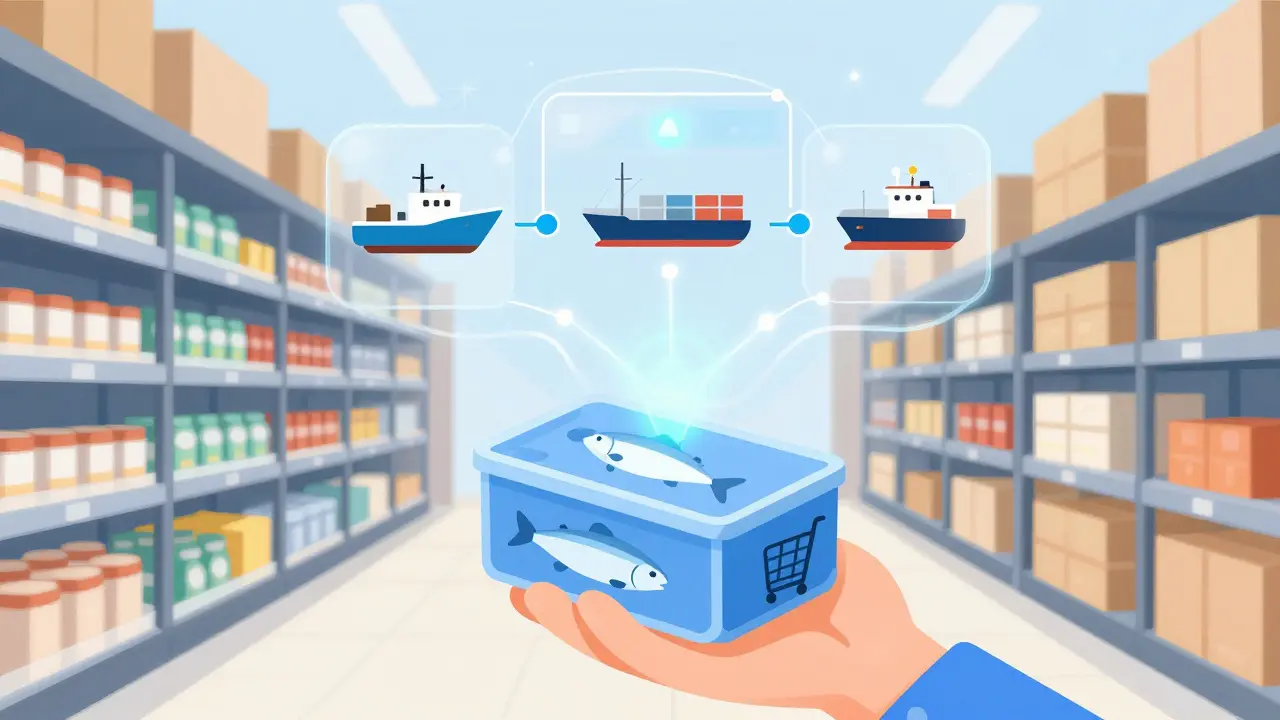
Imagine buying a carton of fish at the grocery store. You have no idea if it was caught sustainably, where it traveled, or if it sat in a warm truck for three days. Traditionally, this information is siloed across dozens of companies, making verification nearly impossible. Blockchain changes this by creating a single, immutable source of truth.
In the logistics sector, Maersk, the global shipping giant, uses blockchain platforms to track containers in real-time. Every handoff, temperature check, and customs clearance is recorded on the ledger. This doesn’t just speed up delivery; it drastically reduces administrative errors and disputes between partners.
Food safety is another major win. Walmart partnered with IBM Food Trust to trace the origin of food products. Before blockchain, tracing a batch of contaminated lettuce could take seven days. With an on-chain record, Walmart reduced that time to 2.2 seconds. This speed saves lives during recalls and protects brand reputation against counterfeit goods. Companies like VeChain and Chronicled are expanding this model to luxury goods, verifying authenticity to combat the massive counterfeit market.
Healthcare: Your Data, Your Rules
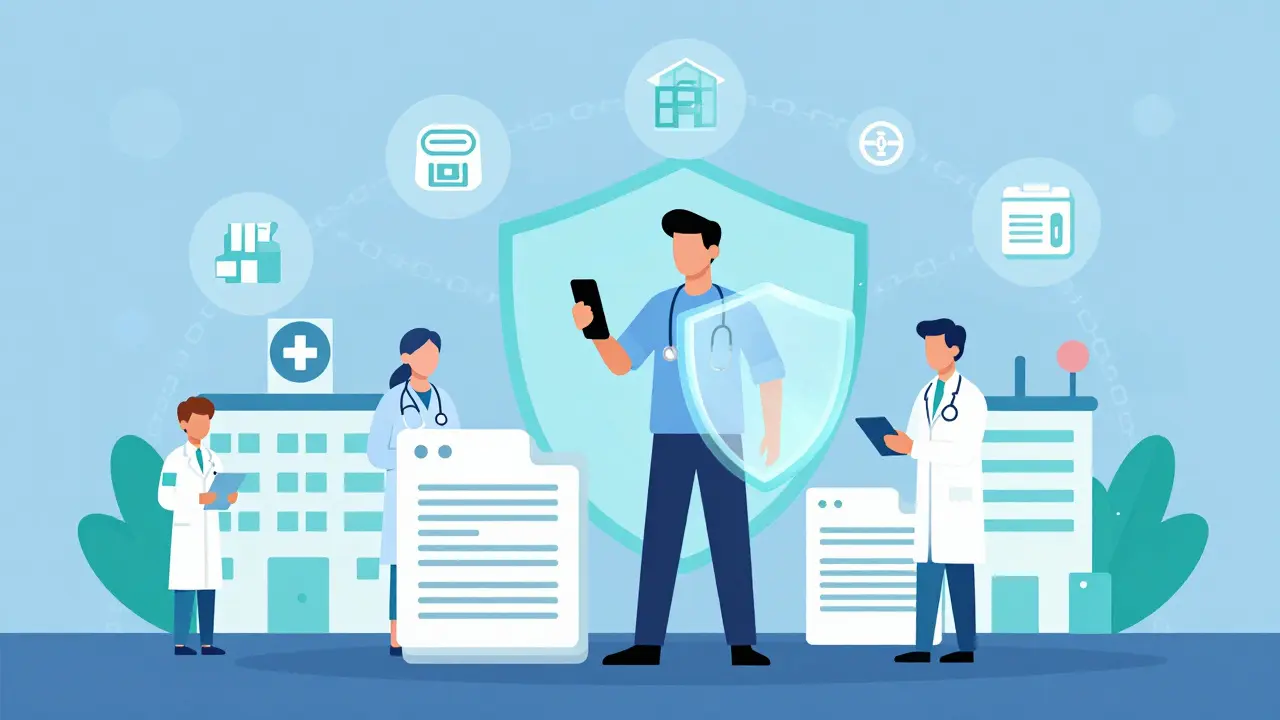
Medical records are notoriously fragmented. If you switch doctors, your history often gets lost or requires manual faxing, leading to errors and delayed care. Blockchain offers a solution through decentralized Electronic Health Records (EHRs).
Instead of storing actual medical files on the blockchain (which would be too large and private), the system stores encrypted pointers to the data. The patient holds the private key-the digital "password"-that grants access. Solutions like Medicalchain allow patients to share their records with specialists, insurers, or researchers instantly and securely. This interoperability minimizes duplicate tests, reduces billing errors, and gives individuals true control over their sensitive health data. It shifts the power dynamic from institutions hoarding data to patients managing their own digital health assets.
Finance: Democratizing Ownership
Beyond cryptocurrency trading, blockchain is reshaping traditional finance through tokenization. This process converts rights to an asset into a digital token on a blockchain. The most visible example is real estate. Platforms like RealT allow investors to buy fractional shares of physical properties. Previously, investing in high-value real estate required significant capital. Now, anyone can own a piece of a rental property in Miami or New York, receiving proportional rent payments automatically via smart contracts.
Financial inclusion is also advancing. BanQu provides blockchain-based identity and credit histories to workers in informal economies who lack traditional bank accounts. By recording their transaction history on an immutable ledger, these individuals can prove their reliability and access microloans. Meanwhile, Central Bank Digital Currencies (CBDCs) and stablecoins are bridging the gap between volatile crypto markets and the stability of fiat currency, enabling faster, cheaper cross-border payments without the fees charged by legacy banking networks.
Digital Identity and E-Governance
Identity theft is a billion-dollar problem because our personal data is stored in centralized databases that hackers love to target. Blockchain enables self-sovereign identity (SSI), where users control their credentials without relying on a central authority.
Estonia is the pioneer here. The country uses blockchain to secure its e-governance systems, including health records, legal documents, and voting. Citizens verify their identity once, and then use digital signatures for all interactions with the state. This reduces bureaucracy and eliminates the need to carry physical documents. Projects like SelfKey extend this concept globally, allowing users to manage their digital identities securely online. For governments, this means more efficient public service delivery and higher security against data breaches.
Insurance: Automating Trust
Insurance is built on trust, but the process is slow and opaque. Claims often take weeks to process due to manual verification and paperwork. Blockchain introduces transparency and automation through smart contracts.
A smart contract is a self-executing agreement with terms directly written into code. In flight insurance, for example, a policy can be linked to flight data APIs. If a flight is delayed by more than two hours, the smart contract automatically verifies the delay and triggers an instant payout to the passenger. No forms, no phone calls, no waiting. This applies to health insurance as well, where pre-approved treatments can trigger automatic reimbursements upon submission of verified medical codes, reducing administrative overhead and fraud.
Entertainment and Intellectual Property
Artists and creators have long struggled with piracy and unfair royalty distributions. Blockchain provides a way to register intellectual property and automate payments. Non-fungible tokens (NFTs) on platforms like Ethereum serve as certificates of authenticity for digital art, music, and collectibles.
More importantly, smart contracts can ensure that creators receive royalties every time their work is resold. Unlike traditional galleries or record labels that take large cuts, blockchain-based streaming services can distribute revenue directly to artists based on predefined percentages. This creates a fairer economy for content creators and ensures that only the rightful owner benefits from the distribution of their work.
Energy and IoT: The Next Frontier
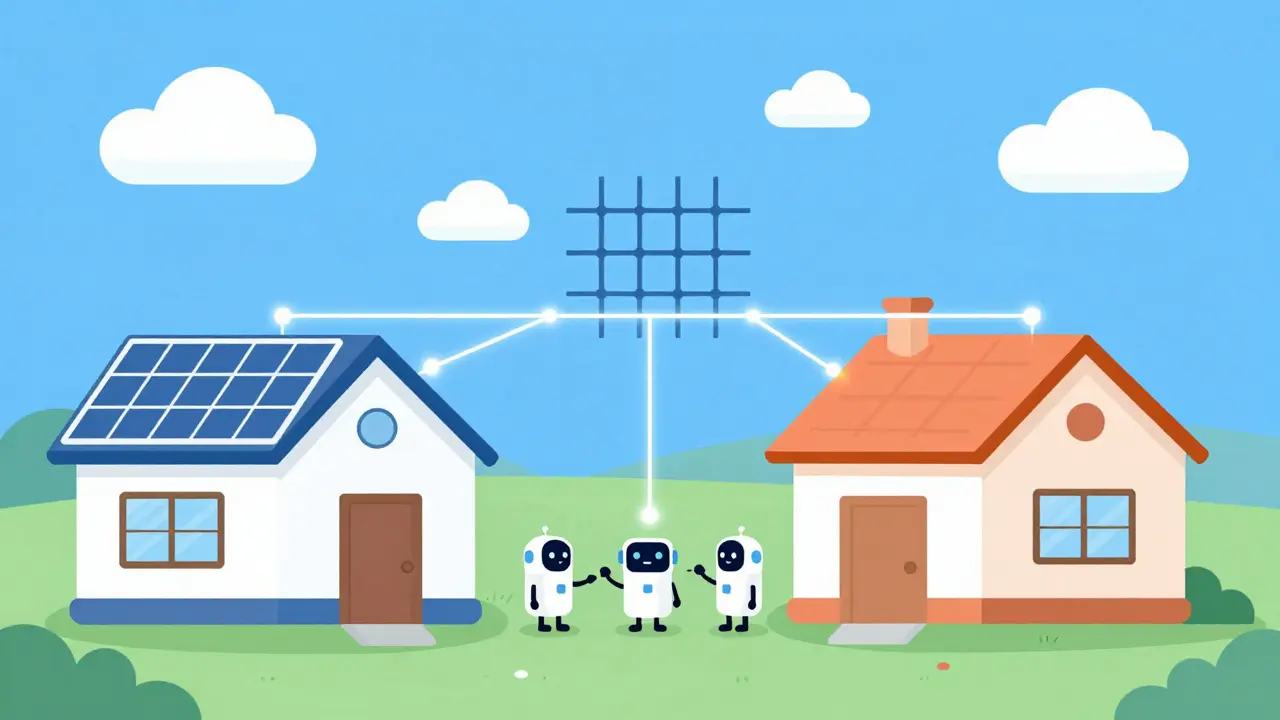
The integration of blockchain with the Internet of Things (IoT) is giving rise to Decentralized Physical Infrastructure Networks (DePIN). In energy, households with solar panels can sell excess power directly to neighbors via a blockchain network. Smart meters record generation and consumption data immutably, and smart contracts handle the peer-to-peer transactions automatically. This bypasses traditional utility monopolies, lowers costs for consumers, and encourages renewable energy adoption.
Voting systems are also being reimagined. While full-scale national elections are still cautious about adoption, pilot programs show that blockchain can create tamper-proof, auditable vote counts. Each vote is a unique, verifiable transaction, eliminating the possibility of ballot stuffing or result manipulation, thereby increasing public trust in democratic processes.
| Industry | Primary Benefit | Key Technology/Tool | Real-World Example |
|---|---|---|---|
| Supply Chain | Traceability & Fraud Reduction | Immutable Ledger | Walmart / IBM Food Trust |
| Healthcare | Data Privacy & Interoperability | Decentralized EHRs | Medicalchain |
| Finance | Fractional Ownership & Speed | Tokenization / Stablecoins | RealT / BanQu |
| Governance | Security & Efficiency | Self-Sovereign Identity | Estonia / SelfKey |
| Insurance | Automation & Transparency | Smart Contracts | Flight Delay Insurance |
Frequently Asked Questions
Is blockchain only used for cryptocurrency?
No. While blockchain started as the underlying technology for Bitcoin, it is now used in many industries including healthcare, supply chain management, real estate, and government services. Its ability to create secure, transparent records makes it valuable far beyond digital currency.
How does blockchain improve supply chain transparency?
Blockchain creates a shared, unchangeable record of every step in a product's journey. This allows companies and consumers to verify origin, track movement in real-time, and quickly identify issues like contamination or counterfeiting, as seen with Walmart and IBM Food Trust.
What are smart contracts?
Smart contracts are self-executing agreements with terms written into code. They automatically trigger actions when specific conditions are met, such as releasing payment upon delivery confirmation or paying an insurance claim after a verified flight delay, removing the need for intermediaries.
Can blockchain secure my medical records?
Yes. Blockchain-based systems allow patients to hold the keys to their electronic health records. This ensures that only authorized providers can access the data, improving privacy and interoperability between different healthcare institutions.
What is tokenization in real estate?
Tokenization converts ownership rights in a physical asset, like a building, into digital tokens on a blockchain. This allows for fractional ownership, meaning investors can buy small shares of high-value properties, democratizing access to real estate investment.
Which countries are using blockchain for government services?
Estonia is a leading example, using blockchain to secure citizen identities, health records, and voting systems. India and other nations are also exploring blockchain for land registries, tax collection, and public record management to reduce bureaucracy and corruption.
How does blockchain help artists and creators?
Blockchain helps by providing proof of ownership through NFTs and automating royalty payments via smart contracts. This ensures creators get paid fairly every time their work is sold or streamed, reducing reliance on traditional intermediaries who take large cuts.