SakePerp and Sake Finance Airdrop Guide: How to Earn SAKE Tokens
 Apr, 30 2026
Imagine getting rewarded just for trading or lending your assets in a DeFi ecosystem. That is exactly what the SakePerp airdrop and the broader SAKE token ecosystem offer. Whether you are a seasoned perpetual trader or someone who prefers the stability of lending, the SAKE ecosystem has built a multi-layered reward system. By interacting with SakePerp, SakeSwap, and the newer Sake Finance protocol, users can position themselves for token allocations and governance power.
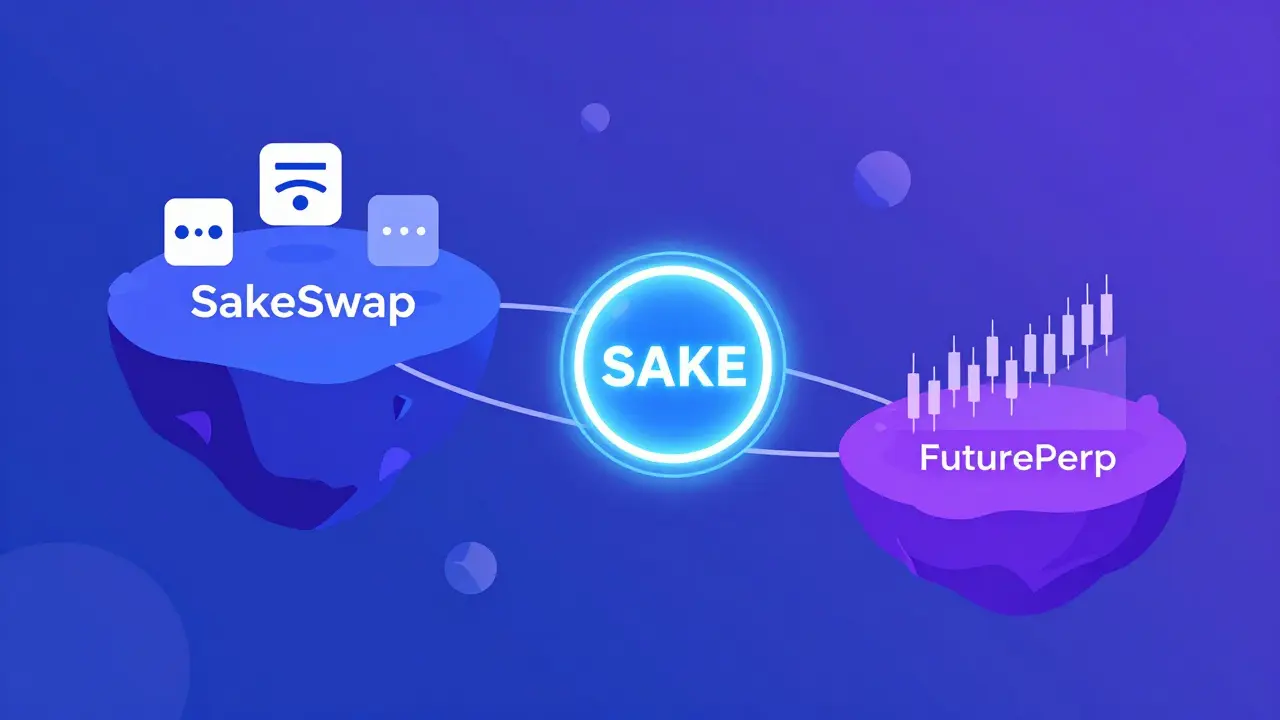
The SAKE token is unique because it acts as a governance bridge between two different worlds: spot markets (via SakeSwap) and futures markets (via SakePerp). Most DeFi tokens focus on one or the other, but SAKE integrates both, creating a comprehensive hub for liquidity and trading. If you are looking to maximize your potential rewards, you need to understand how the points system works and which activities actually move the needle.
What is the SAKE Token Ecosystem?
Before jumping into the airdrop steps, it is helpful to understand what you are actually participating in. SAKE is the native governance token of a DeFi suite that combines perpetual contract trading, spot trading, and lending protocols. It allows holders to influence the direction of the platforms and, in some cases, earn a share of the platform's success.
The ecosystem is split into three main pillars:
- SakePerp: A perpetual contract platform that uses a virtual Automated Market Maker (vAMM) and Oracles to keep prices accurate without relying solely on traditional funding rates.
- SakeSwap: A decentralized exchange (DEX) and an Initial Liquidity Offering (ILO) platform where new projects launch and liquidity providers earn extra income.
- Sake Finance: A lending and borrowing protocol built on the Soneium network, which is the current primary engine for the points-based airdrop.
How the Sake Finance Points Airdrop Works
The current reward strategy centers around "Sake Points." Instead of a random snapshot, the team is using a retroactive airdrop mechanism. This means the more you use the protocol now, the more points you rack up, which will eventually determine your share of the token allocation.
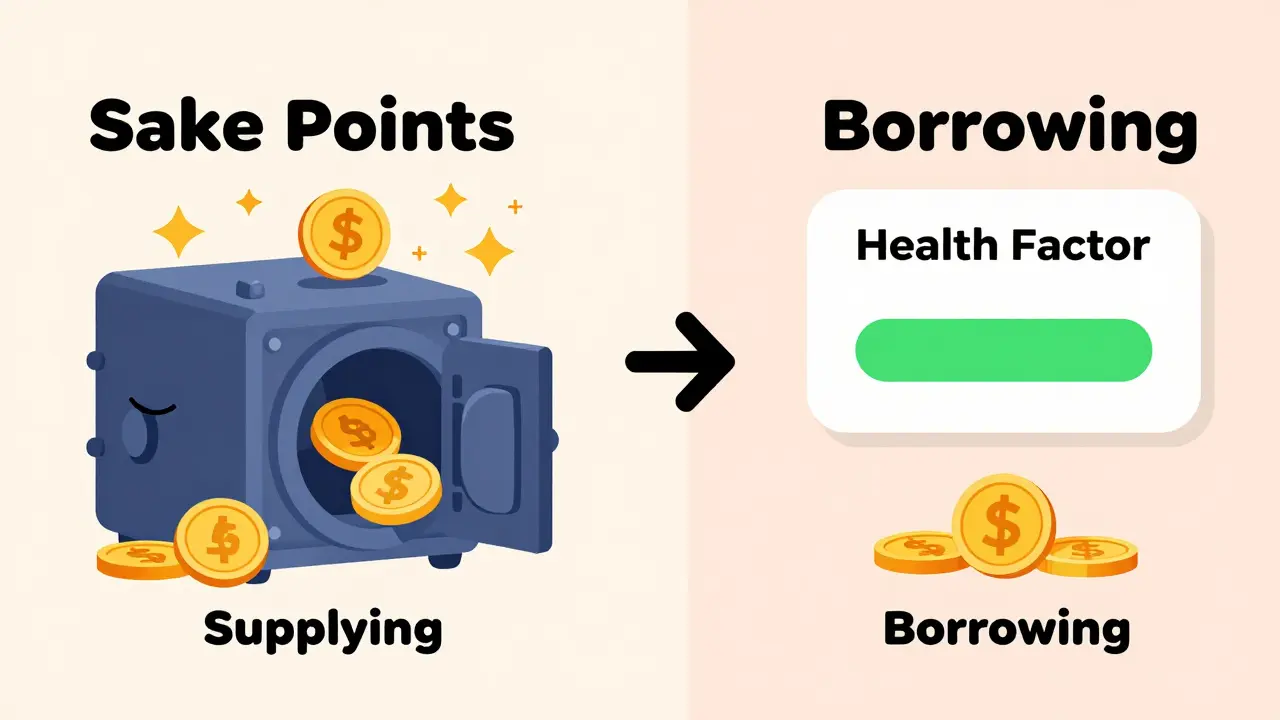
To earn these points, you have to be active on the Soneium network. This isn't as simple as just holding a token; you need to actually perform actions. Supplying assets as collateral is the most direct way to earn. You can deposit assets like ETH, WETH, ASTR, and USDC.e. Each of these has different collateral factors and APY rates, so you'll want to check which one gives you the best bang for your buck.
Borrowing also counts toward your points. However, there is a catch: you must maintain a "Health Factor" above 1. If your collateral value drops too low compared to what you borrowed, your position could be liquidated, and you'll lose money. It is a balancing act between maximizing your points and keeping your assets safe.
Step-by-Step Guide to Participating
If you are starting from scratch, follow these steps to get your account ready for the airdrop.
- Connect Your Wallet: Head to the Sake Finance Rewards Program page. Use a Web3 wallet like MetaMask or WalletConnect. You will need to sign a few connection requests to verify your identity.
- Bridge Your Assets: Since Sake Finance runs on Soneium, you need to move your funds there. Buy ETH or USDC on an exchange like Binance and use the Rhino Bridge to transfer them to the network. Make sure you leave a little bit of native token for gas fees.
- Supply and Borrow: Deposit your assets as collateral to start earning points. If you're feeling bold, borrow against those assets to increase your activity score, but keep a close eye on that health factor.
- Complete Social Tasks: Follow Sake Finance on Twitter and join their Discord server. You are aiming for the "Sipper role," which marks you as an engaged community member.
- Finish Quests: Use the Layer3 platform. Connect your wallet there and complete the specific Sake-related quests to trigger bonus point accumulations.
Comparing the SAKE Ecosystem Components
Depending on your risk tolerance, you might prefer one part of the ecosystem over another. Here is how the three main components stack up:
| Feature | SakePerp | SakeSwap | Sake Finance |
|---|---|---|---|
| Primary Function | Futures/Perpetuals | Spot Trading/ILO | Lending/Borrowing |
| Risk Level | High (Leverage) | Medium (Impermanent Loss) | Low to Medium |
| Reward Method | Fee Sharing/Buybacks | LP Farming/Slippage | Sake Points |
| Key Asset Focus | BTC, ETH, BNB | Project Tokens | ETH, USDC.e, ASTR |
Pro Tips for Maximizing Your Airdrop
Just doing the bare minimum rarely leads to a massive airdrop. To really move up the leaderboard, you need a strategy. First, don't just deposit and forget. Regular interactions-like adjusting your supply or borrowing small amounts periodically-signal to the protocol that you are an active user, not a bot.
Second, diversify your assets. Don't just stick to ETH. Using multiple supported assets like ASTR or USDC.e can sometimes trigger different reward multipliers or simply make your profile look more organic. Third, stay active in the Discord. Roles like "Sipper" aren't just for show; they often act as a filter for the team when deciding who qualifies for "community-exclusive" bonus drops.
Lastly, if you are using SakePerp, remember that 50% of transaction fees are used for SAKE token buybacks. These are locked as insurance funds. This means that as the platform grows, the underlying value of the SAKE token is designed to increase, making the airdrop potentially more valuable in the long run.

Potential Pitfalls and How to Avoid Them
The biggest risk in the SAKE ecosystem is liquidation in the lending protocol. Always keep your health factor well above 1. If the market swings violently and your collateral value drops, the system will automatically sell your assets to cover the loan. Check your dashboard daily.
Another common mistake is ignoring the bridge. Ensure you are using the correct bridge (like Rhino Bridge) to get onto the Soneium network. Sending tokens to the wrong network address can result in a total loss of funds. Always do a small test transaction before moving your entire portfolio.
How do I track my Sake Points?
You can track your accumulated points by connecting your Web3 wallet to the Rewards page within the Sake Finance dApp. Your current point balance will be displayed once the wallet is authenticated.
Which assets can I supply to Sake Finance?
Currently, the protocol supports several assets including ETH, WETH, ASTR, and USDC.e. Each of these assets has its own collateral factor, which determines how much you can borrow against it.
Is there a limit to how many people can participate in the airdrop?
No, the current airdrop program offers unlimited participation. There is no maximum cap on the number of users who can earn Sake Points through protocol interaction.
What is the difference between SakePerp and SakeSwap?
SakePerp is for trading perpetual contracts (futures) with leverage, while SakeSwap is for spot trading and participating in Initial Liquidity Offerings (ILOs) for new projects.
When will the SAKE tokens be distributed?
The exact token launch date and distribution schedule for the Sake Finance airdrop have not been announced yet. The team advises users to focus on accumulating points in the meantime.
Next Steps for Participants
If you have already set up your wallet and bridged your funds, your next move should be to explore the Layer3 quests. These are often the fastest way to gain visibility and bonus points. Once those are done, set a weekly reminder to check your health factor on Sake Finance to avoid any surprises during a market dip.
For those more interested in the trading side, try exploring the SAKE token buyback mechanism on SakePerp. By understanding how the insurance fund grows, you can better judge the long-term value of the tokens you are currently earning through the airdrop points system.
Rushell Perry
May 1, 2026 AT 05:26this is a solid breakdown for anyone new to soneium. just a heads up for the beginners that bridging can be a bit nerve wracking so definitely do that test transaction first like the post says. it saves so much stress in the long run and helps you feel more confident before moving the bulk of your funds
Arun Prabhu
May 2, 2026 AT 07:27yet another pedestrian guide to a point-farming scheme. the sheer banality of these "airdrop strategies" is exhausting. most of these participants are just mindless drones chasing crumbs while the venture capitalists laugh all the way to the bank with the real equity. it is truly a tragic spectacle of modern financial desperation masquerading as "innovation"
its me
May 4, 2026 AT 03:35it is funny how we pretend this is about "governance" when it is actually just a digital lottery. we are all just pretending to be active users to satisfy an algorithm. i suppose the true moral failure here is our collective need for validation through a token balance. we are merely trading our time and sanity for a hope that the token doesn't dump the second it hits the exchange
Kara Spadone
May 4, 2026 AT 11:08the energy here is so chaotic 🌀 it's almost spiritual how some people just can't see the abundance mindset required for DeFi. if you aren't manifesting your gains through active participation, you're just vibrating at a lower frequency than the market 🌌✨ focus on the flow of the points and the universe provides
Ipsita Seal
May 4, 2026 AT 16:48too much reading