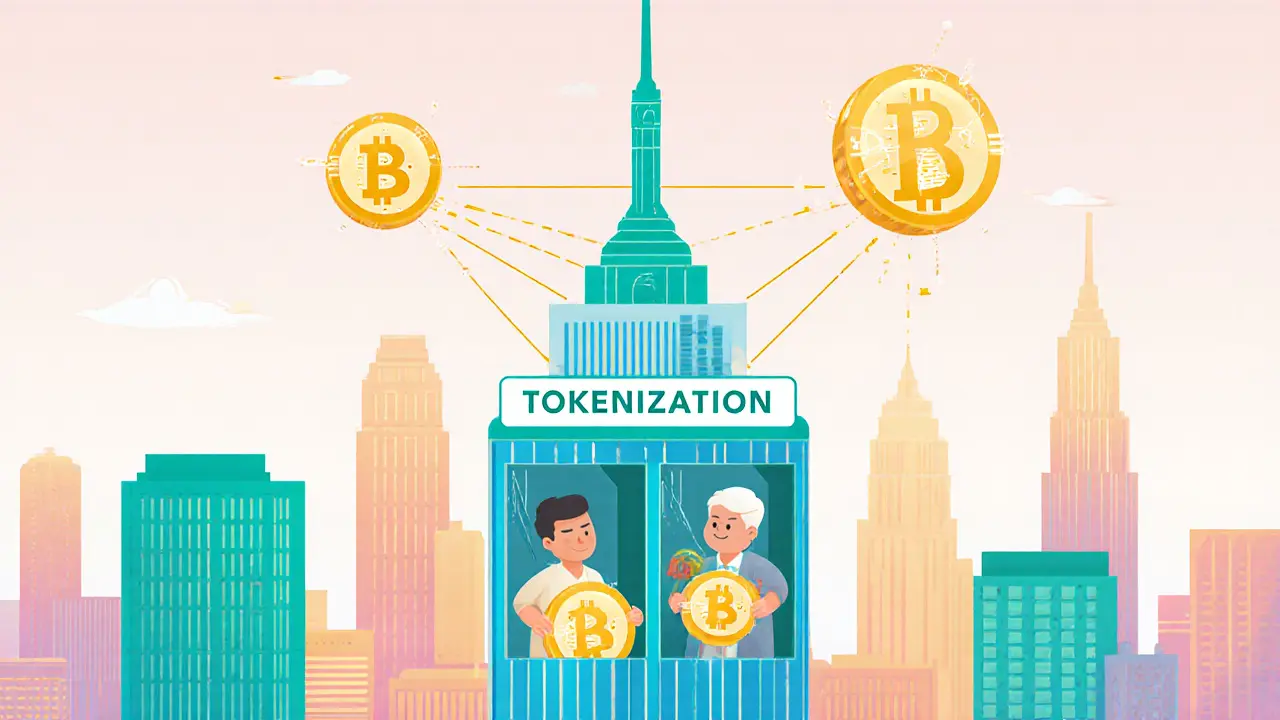
RWA tokenization platforms turn physical assets like real estate and machinery into digital tokens on blockchain, enabling fractional ownership and 24/7 trading. Learn how they work, who's leading the space, and why they're a $16 trillion opportunity-with real risks.
Blockchain Asset Tokenization: What It Is and How It Changes Crypto
When you hear blockchain asset tokenization, the process of converting ownership of real-world assets into digital tokens on a blockchain. Also known as tokenized assets, it lets you split ownership of property, stocks, art, or even real estate into tiny, tradeable pieces that anyone can buy or sell on a blockchain. This isn’t science fiction—it’s already happening with tokens backed by gold, rental income, and even sports teams.
Think of it like owning a share of a building, but instead of paperwork and lawyers, you hold a digital token on a public ledger. That token can be traded 24/7, transferred instantly, and verified without middlemen. It’s not just about making assets liquid—it’s about making them accessible. A farmer in Kenya can sell a fraction of his crop’s future yield as a token. A teenager in Brazil can buy a piece of a Manhattan apartment without needing a bank account. The digital assets, tokenized representations of physical or intangible property on a blockchain are built to work across borders, without permission.
But tokenization isn’t just about selling slices of stuff. It changes how value moves. blockchain tokens, cryptographic units that represent ownership or access rights on a blockchain can carry rules: automatic payouts, voting rights, or even usage limits. A tokenized bond might pay interest every week. A tokenized artwork might give holders a cut of future sales. That’s the power: code replacing contracts. And it’s why projects like Tokenlon, Radiant Capital, and even NFT-based gaming ecosystems are experimenting with it—not just as hype, but as infrastructure.
What you’ll find here aren’t theories. These are real cases: tokens that crashed, airdrops that fooled people, platforms that made tokenization work, and others that vanished overnight. You’ll see how asset-backed crypto, cryptocurrencies whose value is tied to tangible assets like real estate, commodities, or revenue streams can look like a safe bet—until the underlying asset disappears. You’ll learn why some tokenized assets are just digital ghosts with zero volume, and why others are quietly changing how finance works.
Some of these posts are about scams pretending to be tokenization. Others are about real tools that let you trade, stake, or earn from tokenized assets. There’s no fluff. Just what happened, why it mattered, and what you should watch for next. Whether you’re trying to understand how a token represents a piece of land, or why an airdrop for a tokenized NFT tank went nowhere, you’ll find the facts here—not the marketing.