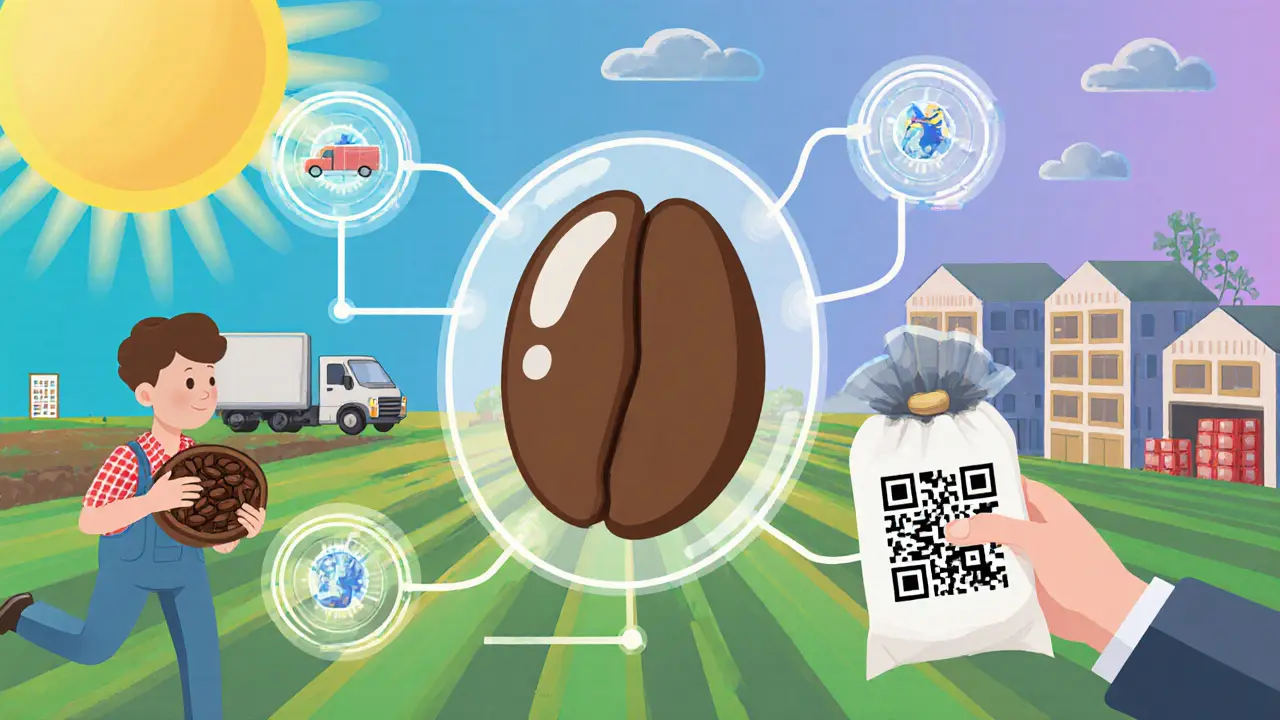
Blockchain for supply chain transparency creates tamper-proof records of every product movement, from raw materials to consumers. It cuts fraud, speeds up recalls, and builds trust with customers-no more guesswork.
Blockchain in Logistics: How It's Changing Supply Chains Today
When you ship a box from Shanghai to Los Angeles, blockchain in logistics, a system that records every step of a shipment on a shared, unchangeable digital ledger. Also known as supply chain blockchain, it doesn’t just track packages—it proves they weren’t swapped, stolen, or delayed without reason. Most freight still moves on paper, spreadsheets, and phone calls. That’s why fraud, lost documents, and 30-day delays are normal. But blockchain changes that by giving every player—shipper, port, customs, trucker—the same live record. No more guessing who lost the bill of lading. No more fake certificates. Just truth you can’t edit.
It’s not magic. It works because of smart contracts, self-executing rules coded onto the blockchain that trigger actions when conditions are met. For example, if a container arrives at a port on time and passes inspection, the system automatically releases payment to the carrier. No invoice. No waiting. No disputes. That’s real money saved. And decentralized tracking, a method where multiple independent nodes verify each movement, not just one company’s internal system. That stops one corrupt operator from faking data. You can’t bribe a network of 50 computers spread across continents.
Real companies are using this. Maersk cut documentation time by 40% using blockchain. Walmart tracks pork from farm to shelf in seconds—not days. But here’s the catch: most blockchain logistics projects fail because they’re built for show, not use. If your supplier still uses fax machines, adding a blockchain dashboard won’t fix that. The tech only shines when everyone on the chain actually uses it—and gets paid to do so.
What you’ll find below aren’t theory pieces. These are real case studies, scams exposed, and tools that actually work in 2025. Some posts show how airdrops got mixed up with logistics tech (they didn’t). Others reveal why a "blockchain-powered shipping platform" turned out to be a fake exchange. You’ll see what’s hype, what’s real, and what’s just someone trying to sell you a useless NFT for a truck route.