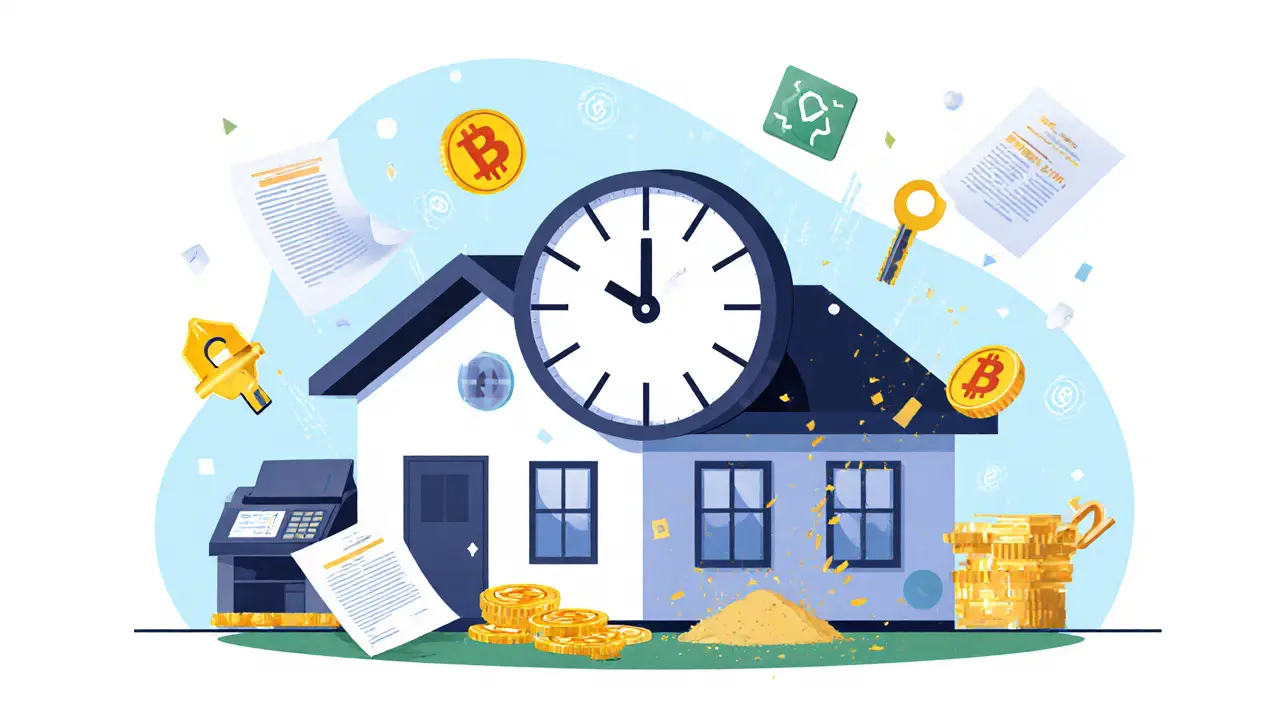
Blockchain can slash real estate closing times from 6 weeks to just a few days by automating title checks, identity verification, and fund transfers with smart contracts. Learn how it works, where it’s used, and why it’s not everywhere yet.
Blockchain Real Estate: How Property Is Going Digital on Chain
When you think of blockchain real estate, the use of blockchain technology to represent ownership of physical property through digital tokens. Also known as property tokenization, it lets you own a piece of a building, warehouse, or even a farm without buying the whole thing. This isn’t sci-fi—it’s happening right now, with platforms turning apartments in Dubai, warehouses in Texas, and farmland in Canada into tokens you can trade like crypto.
At its core, RWA tokenization, the process of converting real-world assets like real estate, machinery, or commodities into blockchain-based tokens is about breaking down big assets into small, tradeable pieces. That means someone with $500 can own 0.1% of a commercial building instead of needing $500,000. It opens up investing to regular people, not just hedge funds. And because the ownership records are on the blockchain, they’re public, tamper-proof, and transferable 24/7—no more waiting weeks for paperwork to clear.
But it’s not all smooth sailing. real world asset tokenization, the broader movement of bringing physical assets onto blockchain ledgers still faces legal gray zones. Who owns the actual building if the token is on-chain? What happens if the property gets condemned or flooded? These aren’t just technical questions—they’re legal ones. That’s why most serious projects work with lawyers, title companies, and regulators. And that’s also why you’ll see so many fake listings and scams pretending to sell "blockchain homes"—they’re just phishing sites with fancy graphics.
What you’ll find in this collection isn’t hype. It’s real breakdowns of platforms that are actually doing this work—like Securitize and MANTRA Chain—and warnings about the ones that aren’t. You’ll see how tokenization changes who can invest, how taxes get handled, and why some projects fail even when the tech works. There’s no magic here—just code, contracts, and a lot of old-school real estate rules trying to catch up to the blockchain.