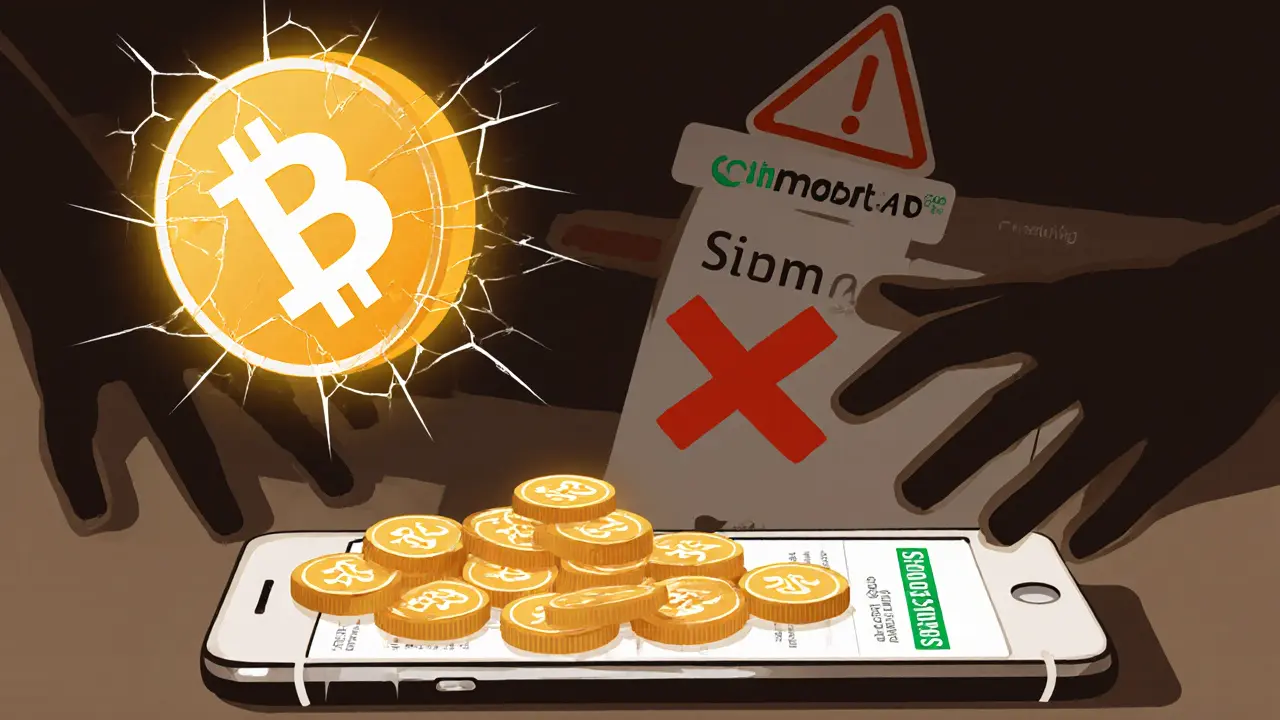
The D11 DeFi11 airdrop linked to CoinMarketCap is a scam. The token has zero circulating supply, was discontinued after acquisition by VulcanForged, and CoinMarketCap does not run airdrops. Don't fall for fake claims.
D11 Airdrop: What It Is, Why It Matters, and What Really Happened
When people talk about the D11 airdrop, a supposed free token distribution tied to a blockchain project that never launched. Also known as D11 token drop, it was promoted through fake Telegram groups and misleading ads claiming users could earn thousands in free crypto. But there was no official website, no whitepaper, and no team behind it—just a list of fake eligibility rules designed to steal wallet information. Airdrops like this aren’t rare. They’re the digital equivalent of a free lunch that turns out to be poisoned.
Real airdrops—like the ones from PLAYA3ULL, a Web3 gaming token that actually distributed 20 million tokens to verified participants in 2024—require you to complete simple, transparent tasks: follow a project on Twitter, join their Discord, or add a token to your CoinMarketCap watchlist. They never ask for your seed phrase. They never send you a link to "claim" tokens through a private message. And they never promise life-changing returns for doing nothing. The TRO airdrop, another fake campaign falsely advertised as active in 2025, is a perfect example of how scammers reuse the same playbook: create urgency, mimic real projects, and vanish once they’ve collected enough wallet addresses.
Most people don’t realize that airdrops are meant to build community, not make you rich. Legit projects use them to reward early supporters, test network adoption, or seed liquidity. Scammers use them to harvest data, pump-and-dump low-value tokens, or trick users into signing malicious contracts. The FEAR token airdrop, a real but failed distribution from 2021 that collapsed within weeks shows how even legitimate efforts can fail without real utility. But the D11 airdrop? It never even started.
If you’ve ever seen a post saying "Claim your D11 tokens now!"—you’ve been targeted. These scams rely on FOMO. They know you’ve heard of real airdrops. They know you’ve seen others get free crypto. So they twist the truth into something that feels possible. But the truth is simple: if it sounds too good to be true, and you didn’t sign up for it through an official channel, it’s fake. No blockchain project gives away money through random Instagram DMs or TikTok ads.
Below, you’ll find real stories about airdrops that worked, airdrops that crashed, and airdrops that were nothing but lies. You’ll learn how to tell the difference before you click, sign, or send anything. No fluff. No hype. Just what actually happened—and how to stay safe in a space full of ghosts pretending to be gold mines.