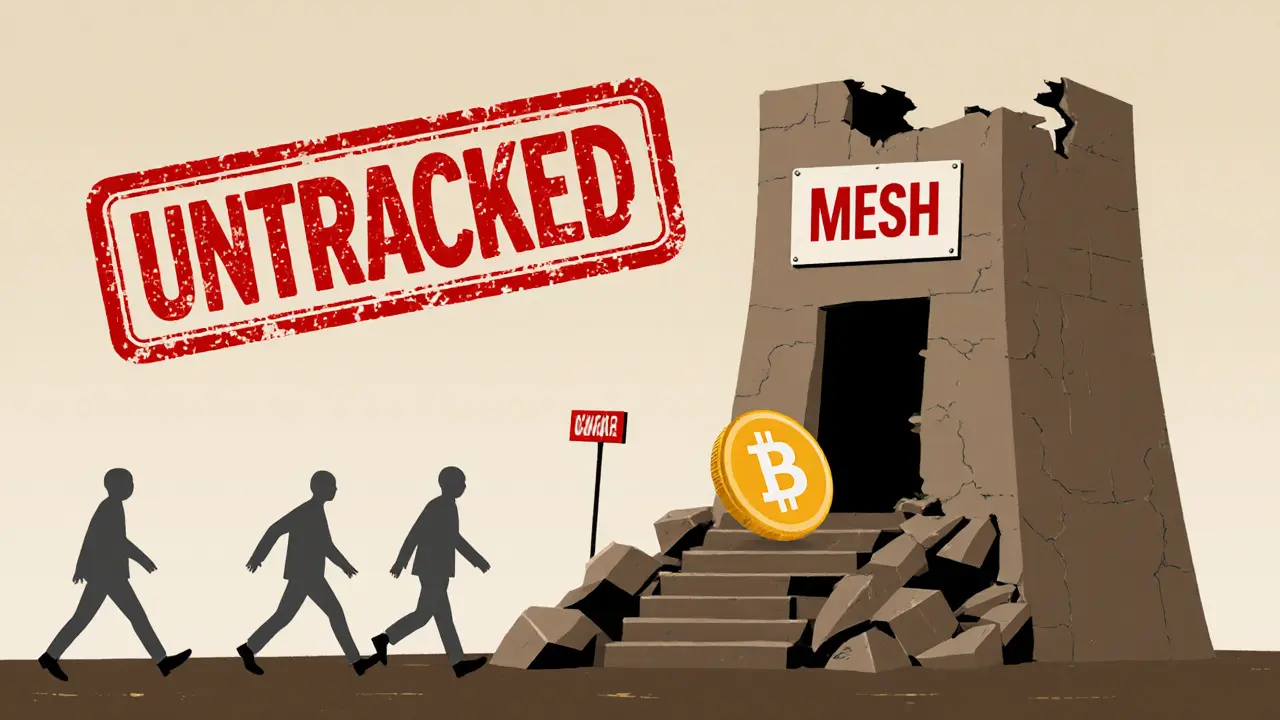
Meshswap was once a promising DeFi platform, but today its MESH token is near all-time lows with almost no trading volume or community activity. Here's why you should avoid it.
DeFi Exchange: What It Is, How It Works, and Which Ones Still Matter
When you trade crypto on a DeFi exchange, a blockchain-based platform that lets users trade digital assets directly without a central authority. Also known as a decentralized exchange, it removes banks, brokers, and custody risks by letting you control your own keys. Unlike traditional platforms, you don’t deposit funds into a company’s wallet—you connect your own and trade peer-to-peer using smart contracts.
This shift changes everything. A liquidity pool, a smart contract holding paired crypto assets to enable instant trades replaces order books. If you’ve ever swapped ETH for USDT without waiting for a buyer, you used one. But not all DeFi exchanges are built the same. Some, like Serum DEX, a high-speed, low-fee exchange built on Solana that survived the FTX collapse, still offer real speed and low costs. Others, like Bamboo Relay or Tokenlon, serve niche users who care about specific protocols or cross-chain features. Many others? They’re dead. Zero volume. No updates. Just a token name on a forgotten website.
What makes a DeFi exchange worth using today? It’s not just about being decentralized. It’s about liquidity, security, and real usage. If no one’s trading on it, the price slippage kills your profit. If the code hasn’t been audited, you’re gambling with your seed phrase. And if the team vanished after launch, you’re trusting code written by ghosts. The posts below dig into exactly this: what happened to Serum after FTX fell, why Bamboo Relay barely moves anymore, and how Thruster v3 targets only Blast ecosystem traders—no beginners allowed. You’ll also see how LON and RDNT tokens power their platforms, and why some DEXs are still alive while others are just digital tombstones.
Some of these platforms let you earn while you trade. Others are just traps disguised as tools. You’ll find reviews of real exchanges, breakdowns of failed ones, and warnings about fake platforms pretending to be DeFi. No fluff. No hype. Just what’s working, what’s dead, and what you should avoid in 2025.