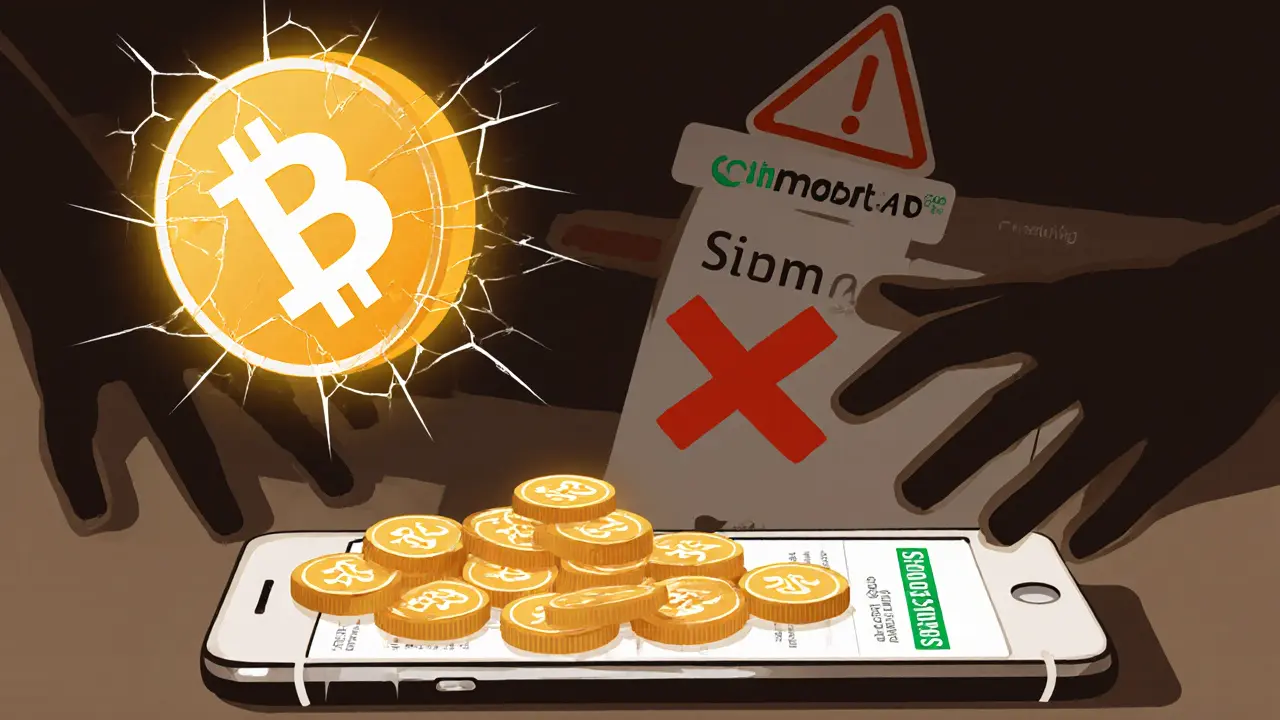
The D11 DeFi11 airdrop linked to CoinMarketCap is a scam. The token has zero circulating supply, was discontinued after acquisition by VulcanForged, and CoinMarketCap does not run airdrops. Don't fall for fake claims.
DeFi11 Scam: How Fake DeFi Projects Trick Users and How to Avoid Them
When people talk about DeFi11 scam, a fraudulent project disguised as a decentralized finance platform that lures users with fake rewards and phishing links. It’s not a real protocol—it’s a digital trap designed to steal wallets and seed phrases. This isn’t an isolated case. Across crypto, fake DeFi platforms like DeFi11 use the same playbook: flashy websites, fake celebrity endorsements, and promises of free tokens that never arrive. These scams thrive because they copy the look and feel of real DeFi projects—until you try to connect your wallet and everything goes dark.
Real DeFi platforms like Radiant Capital (RDNT), a cross-chain lending protocol that lets users deposit and borrow across blockchains without bridges or Tokenlon (LON), a decentralized exchange that pairs AMM pools with professional market makers for better trade prices don’t need to give away millions of tokens just to get you to sign a transaction. They earn trust through transparency, open-source code, and real user activity. But scams? They rely on urgency. "Claim your 500,000 CYT tokens before the airdrop ends!"—except the airdrop never existed. Or "Join the Sonar Holiday airdrop"—except Sonar never ran one. These are copy-paste lies built on the names of real projects.
What makes these scams dangerous isn’t just the money lost—it’s how they train you to ignore warning signs. If you’ve ever clicked a link from a Discord message saying "Your wallet is at risk," you’ve already walked into their trap. Real security doesn’t ask you to connect your wallet to a random site. Real airdrops don’t require you to send crypto first. And real DeFi projects don’t disappear after a week. The Position Exchange Times Square billboard airdrop, a scam that claimed crypto could be distributed via a physical billboard was absurd—but people still fell for it. Why? Because they wanted to believe something good was free.
Every post in this collection exposes another layer of this fraud. You’ll find breakdowns of fake airdrops like TRO and FEAR, dead tokens like BOYS and BUILT, and outright fake exchanges like Coinrate and 3xcalibur. You’ll learn how to spot phishing attempts in 2025, understand why validator rewards can’t be faked, and see how RWA tokenization platforms differ from shell projects. These aren’t theoretical warnings—they’re post-mortems of real scams that cost people thousands. By the end, you won’t just know what a DeFi11 scam looks like. You’ll know exactly how to walk away before it even asks for your password.