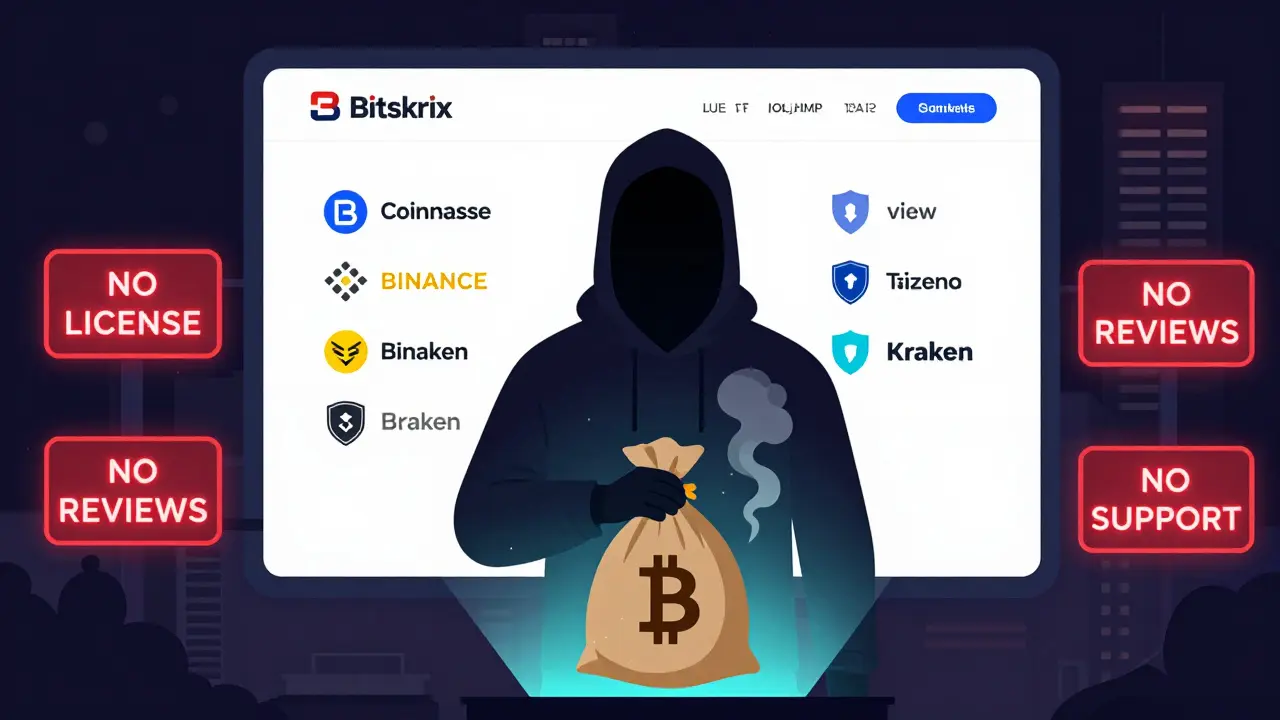
Bitskrix is not a legitimate crypto exchange. No reviews, no website, no regulatory presence-just a scam. Learn how fake exchanges work, how to spot them, and which real platforms to use instead.
Fake Crypto Exchange: How to Spot Scams and Avoid Losing Your Money
When you hear about a new fake crypto exchange, a fraudulent platform pretending to be a legitimate trading site. Also known as crypto phishing site, it looks real but exists only to steal your keys, your coins, or your personal info. These aren’t just outdated tricks—they’re getting smarter, using fake logos, cloned websites, and even AI-generated customer support chats. In 2025, over 60% of crypto scams start with a fake exchange, and most victims don’t realize they’ve been tricked until it’s too late.
The biggest red flag? A platform promising crazy returns with no risk. If it says "earn 20% daily" or "claim your free $5,000 airdrop" just by signing up, run. Real exchanges like Coincall or Bitpin don’t hand out free money—they charge fees, require KYC, and have clear terms. Another warning sign? No public team, no social media history, or a domain that looks off—like "coinbase-safety.com" instead of "coinbase.com". Fake exchanges often copy the design of trusted platforms but change just one letter. And don’t trust a billboard in Times Square claiming to give away crypto—that’s impossible. The fake airdrop, a scam that tricks you into connecting your wallet to steal your assets. Also known as phishing airdrop, it’s one of the most common ways thieves get access to your wallet. They’ll ask you to approve a transaction that lets them drain your funds. No legitimate airdrop ever asks for your seed phrase.
And it’s not just exchanges. Scammers create fake tokens like 3xcalibur or Trodl, then build entire websites around them, complete with fake reviews and fake trading volumes. They rely on FOMO—fear of missing out. But if a project has no GitHub activity, no whitepaper, and no community, it’s a ghost. Real projects like Serum DEX or Radiant Capital have open-source code, active Discord servers, and public roadmaps. If you can’t verify who’s behind it, assume it’s fake. The crypto scam, any scheme designed to deceive users into giving up their digital assets. Also known as crypto fraud, it thrives on speed, secrecy, and confusion. They want you to act before you think.
What you’ll find below are real cases—like the Position Exchange billboard scam, the Sonar Holiday airdrop lie, and the 3xcalibur exchange that never existed. Each one shows how the same tricks are reused, just with new names. You’ll learn how to check a site’s legitimacy, how to spot fake KYC pages, and what to do if you’ve already connected your wallet. No fluff. No hype. Just what you need to protect yourself before the next fake exchange pops up in your feed.

Coinrate is not a real crypto exchange-it's a scam. Learn why it doesn't exist, how fake exchanges trick users, and which safe platforms to use instead. Protect your crypto from fraud.

BitFriends Exchange is not a legitimate crypto platform. No verified records exist. This review exposes it as a scam designed to steal funds. Avoid fake exchanges and stick to trusted platforms like Kraken or Coinbase.