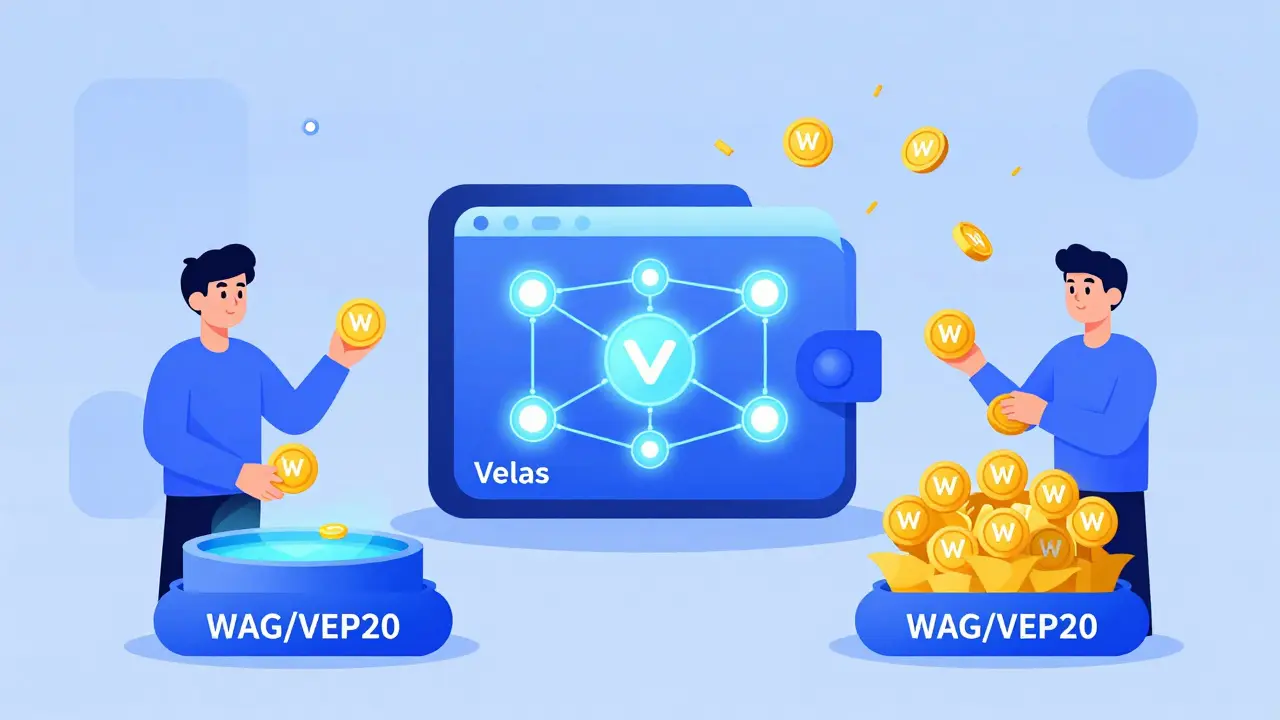
WagyuSwap (WAG) ran a quiet IDO airdrop in 2021 to bootstrap liquidity. Here's how it worked, who got tokens, why it failed, and why WAG is now a ghost token with no future.
IDO Launch: What It Is, How It Works, and What to Watch For
When a new crypto project launches its token through an IDO launch, a method where tokens are sold directly on a decentralized exchange to raise capital. Also known as an initial DEX offering, it’s become the go-to way for blockchain teams to skip traditional fundraising and go straight to the people who actually trade crypto. Unlike old-school ICOs that happened on websites with little oversight, IDOs happen on platforms like PancakeSwap, Uniswap, or Launchpool — places where liquidity is live from day one. That means you can buy the token and immediately trade it, no waiting weeks for listing.
Behind every IDO launch is a crypto launchpad, a platform that vets projects and handles the token sale process. Also known as token sale platforms, these are the middlemen that make sure the project isn’t just a sketchy website with a whitepaper. Launchpads like Polkastarter, DAO Maker, or TrustSwap screen teams, lock liquidity, and sometimes even do audits. But here’s the catch: not all launchpads are equal. Some are strict. Others let anything through — and that’s where things go wrong. You’ll see IDO launches tied to DeFi fundraising, the practice of using decentralized finance tools to raise money without banks or venture capitalists. Also known as on-chain capital raising, this model relies on community trust instead of institutional backing. That’s why you need to check if the team is doxxed, if the contract is audited, and if the liquidity is locked for more than a month. If they’re not, you’re just gambling. Many IDO tokens crash hard after launch because the team dumps their tokens the second they can. Others fade away because there’s no real product — just hype and a Discord channel full of bots.
Look at the posts below. You’ll find real cases: some IDO launches turned into scams, others became useful tools. Some projects had real teams and real use cases. Others? Barely existed. You’ll see how airdrops connect to IDOs, how exchanges like SpookySwap or GMX get involved, and why some token sales never even make it to the market. This isn’t about chasing the next 100x. It’s about knowing what separates a real project from a fast exit. The tools are out there. The risks are clear. Now you just need to know what to look for.