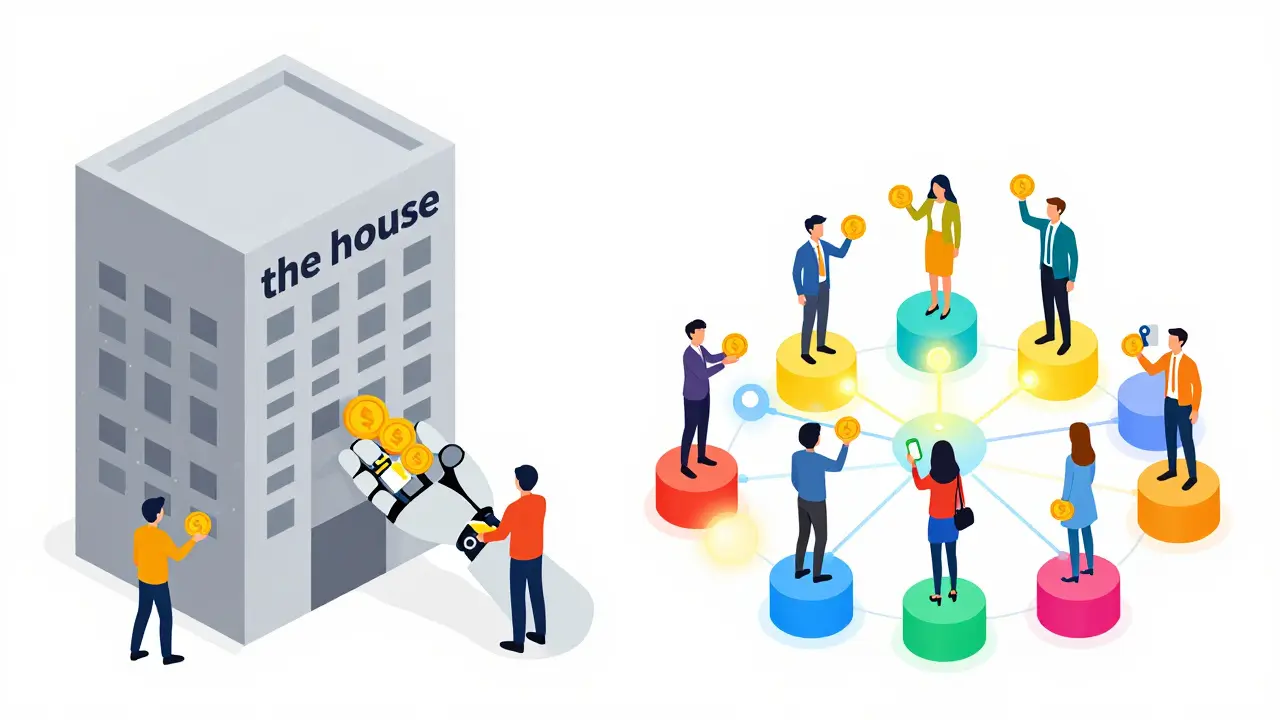
Learn how to monetize content using decentralized social media. Explore token-based economies, creator coins, and how to take ownership of your audience in Web3.
Lens Protocol: What It Is, How It Works, and Why It Matters in Web3
When you think about social media, you probably think of scrolling feeds, likes, and comments—controlled by companies that own your data. But Lens Protocol, a decentralized social graph built on Polygon that lets users own their identity, content, and connections. Also known as Web3 social, it turns your profile into a digital asset you control—no middleman needed. Unlike traditional platforms, Lens doesn’t lock you in. You can take your followers, posts, and reputation anywhere—whether it’s a new app, a wallet, or a tool built by someone else. That’s the whole point: your social graph belongs to you.
Lens Protocol enables decentralized social media, a system where users interact through open protocols instead of corporate apps. Also known as blockchain social network, it’s not just about posting—it’s about building communities that can’t be shut down or censored. Developers use Lens to create apps that connect to your profile, so you can comment on a Lens-based feed in one app, then read replies in another. It’s like having your own personal Twitter API, but without giving up control. And because it runs on Polygon, transactions are fast and cheap, making it practical for everyday use. This isn’t theory—it’s already being used by creators, DAOs, and early adopters who want to escape the surveillance economy. You don’t need to be a coder to benefit. Just connect your wallet, and your profile becomes your passport to Web3 social.
What you’ll find in the posts below are real examples of how people are using Lens Protocol and similar tools. Some posts break down how to claim tokens tied to social actions. Others expose fake airdrops pretending to be connected to blockchain networks. You’ll see how projects like Flux Protocol and PLAYA3ULL use social engagement to distribute tokens, and how scams mimic legitimate systems to steal wallets. The pattern is clear: when something gives you free crypto for sharing or following, someone’s watching. Lens Protocol makes that possible—but only if you own your identity. The posts here cut through the noise. They show you what’s real, what’s dead, and what’s worth your time in the messy, exciting world of Web3 social.
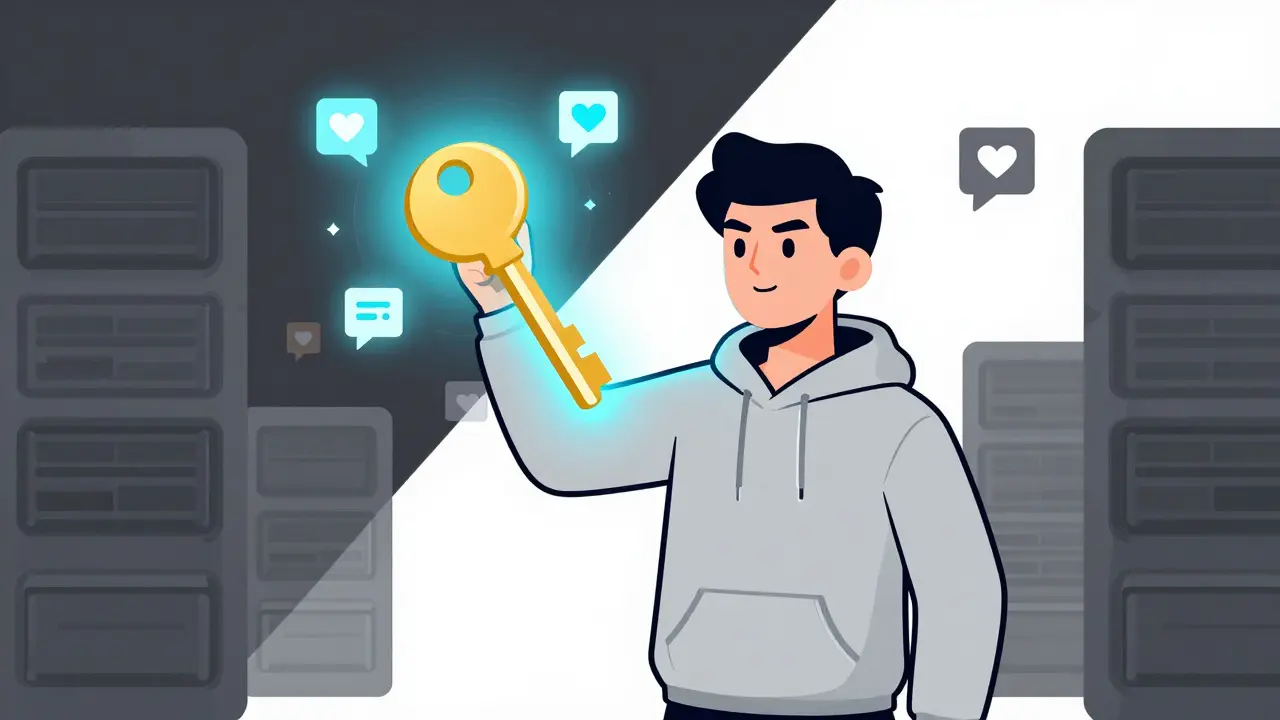
Explore the 2025 landscape of Web3 social media platforms, covering leading protocols like Lens and Farcaster, decentralized ownership, and how they differ from traditional Web2 networks.

Decentralized social networks on blockchain let users own their data, earn crypto for content, and avoid censorship. Learn how Lens Protocol, Mastodon, and Farcaster work-and why they’re changing social media.