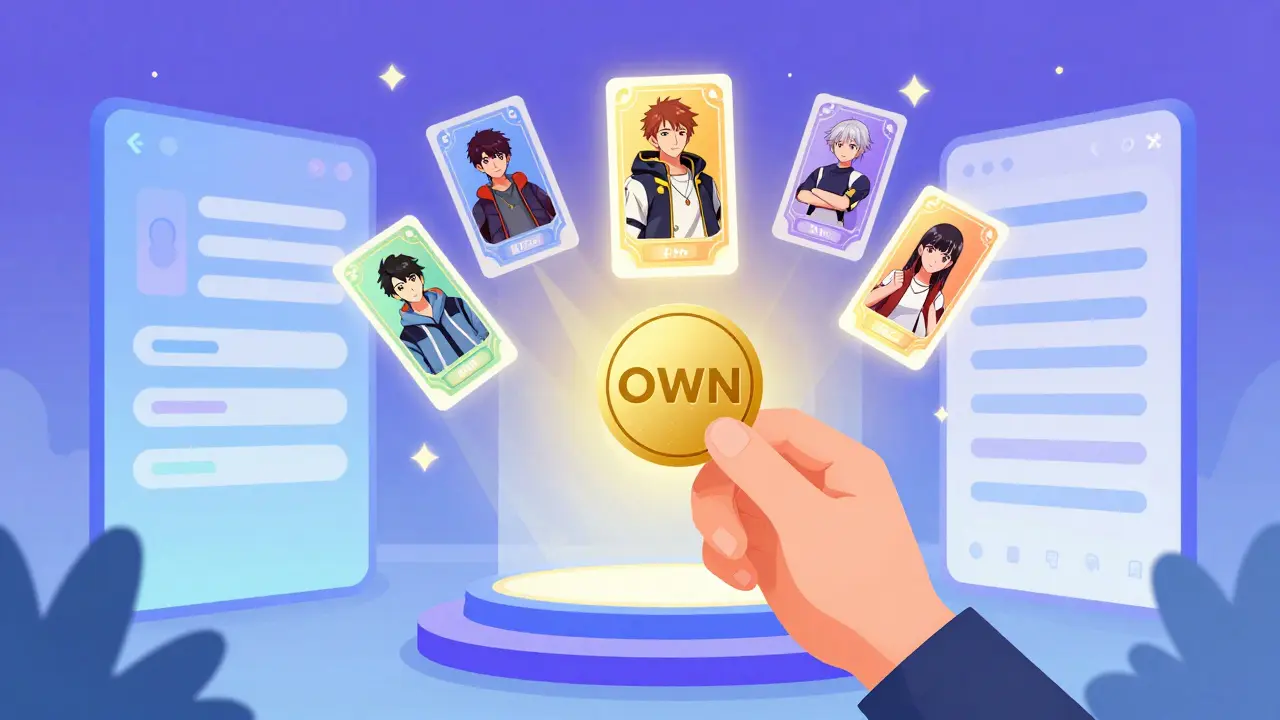
Otherworld (OWN) is a crypto token tied to licensed entertainment IP like Solo Leveling, designed to power a Web3 social platform. It's high-risk, highly volatile, and depends entirely on external licenses. Not a mainstream investment - just a niche collectible for fans.
OWN crypto: What It Is, Why It Matters, and What You Need to Know
When you OWN crypto, you hold the private keys that give you full control over your digital assets without relying on banks or exchanges. Also known as self-custody, this is the core promise of blockchain: no middlemen, no freezes, no surprises. But owning crypto isn’t just about having a wallet address—it’s about understanding how to protect it, use it, and what legal and technical risks come with it.
True ownership means your crypto isn’t sitting on Binance, Coinbase, or any other platform where they control the keys. If they get hacked, go bankrupt, or change their rules, you lose access. That’s why MultiSig wallets, like Safe Wallet and Blue Wallet, require multiple signatures to move funds, making them far safer than single-key storage. They’re used by serious holders who don’t trust single points of failure. And if you’re staking or swapping tokens, you’re likely interacting with liquidity pools, the backbone of DeFi that lets you earn fees by locking up crypto. But here’s the catch: owning crypto means you’re also responsible for taxes, reporting, and compliance—something India, Portugal, and Thailand are now enforcing with real penalties.
Some people think owning crypto means buying a token and forgetting about it. But look at the posts below: OWN crypto is tied to real decisions. It’s about choosing between a centralized exchange that’s easy but risky, or a decentralized one like GMX or SpookySwap that gives you control but demands more knowledge. It’s about avoiding fake airdrops like VLXPAD Grand or YAE Cryptonovae that promise free tokens but are just scams. It’s about understanding that even if you hold Bitcoin in your own wallet, you still owe taxes if you sell it—even if you live in Portugal or move to a tax haven. And it’s about recognizing that projects like BitSong or AICM look promising on paper but have no real users or development—so owning their tokens is more like gambling than investing.
There’s no shortcut to real crypto ownership. It’s not about how many coins you have. It’s about how well you protect them, how clearly you understand their use, and how prepared you are for the legal and technical fallout when things go wrong. The posts below don’t just list projects—they show you what works, what doesn’t, and why most people lose money not because the market crashed, but because they never truly owned their crypto in the first place.