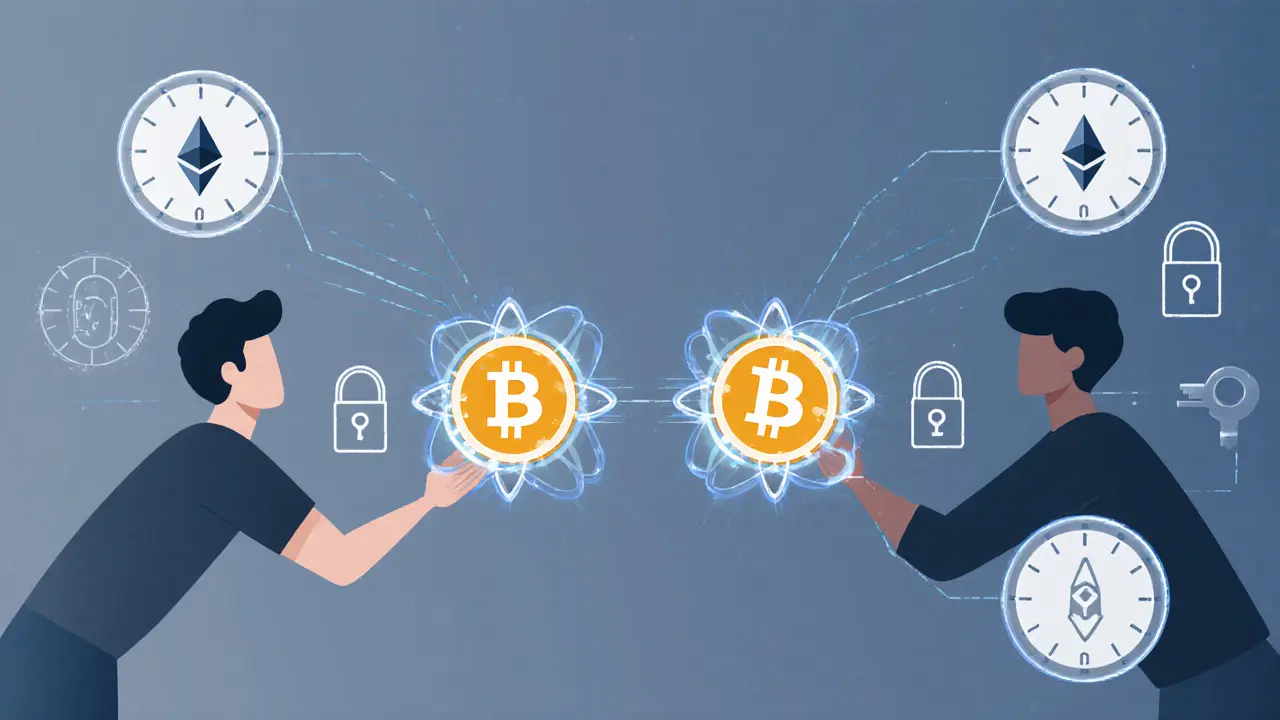
4swap is a privacy-first crypto exchange using atomic swaps on the Mixin Network. No liquidity pools, no middlemen-but also no speed or ease. Learn who it's really for and whether it's worth the complexity.
Privacy-Focused Crypto: Secure, Anonymous, and Truly Decentralized Coins
When you send crypto, most people assume it’s private—but it’s not. Every Bitcoin or Ethereum transaction is公开 on a public ledger. Anyone can track your balance, who you paid, and when. That’s why privacy-focused crypto, a category of cryptocurrencies designed to hide transaction details, sender, and receiver identities. Also known as anonymous cryptocurrency, it’s not about hiding illegal activity—it’s about protecting your financial freedom. If you care about who sees your spending habits, your wallet balance, or your trading patterns, this is the only kind of crypto that actually works.
Not all privacy coins are the same. Monero, a blockchain that uses ring signatures and stealth addresses to mask every transaction has been the gold standard since 2014. Then there’s Zcash, a coin that lets users choose between transparent and shielded transactions. But newer players like Archethic (UCO), a Layer 1 blockchain that replaces private keys with fingerprint authentication are changing the game. Instead of just hiding transactions, it removes the need for keys entirely—making theft and phishing nearly impossible. These aren’t just features; they’re fundamental redesigns of how crypto should work.
Most crypto users don’t realize how exposed they are. If you’ve ever used an exchange, you’ve handed over your identity to KYC checks. If you’ve ever used a DEX without privacy tools, your trading history is public. Even airdrops—like the ones for PLAYA3ULL or GEMS NFTs—can tie your wallet to your social media, creating a trail. Real privacy means no one can connect your name to your crypto activity. That’s why the posts here focus on coins that actually deliver it, not ones that just claim to. You’ll find deep dives on how biometric blockchains work, why some privacy projects failed, and how to spot fake airdrops pretending to be anonymous. This isn’t about speculation. It’s about control. And if you’re serious about keeping your finances private in 2025, you need to know what’s real—and what’s just noise.