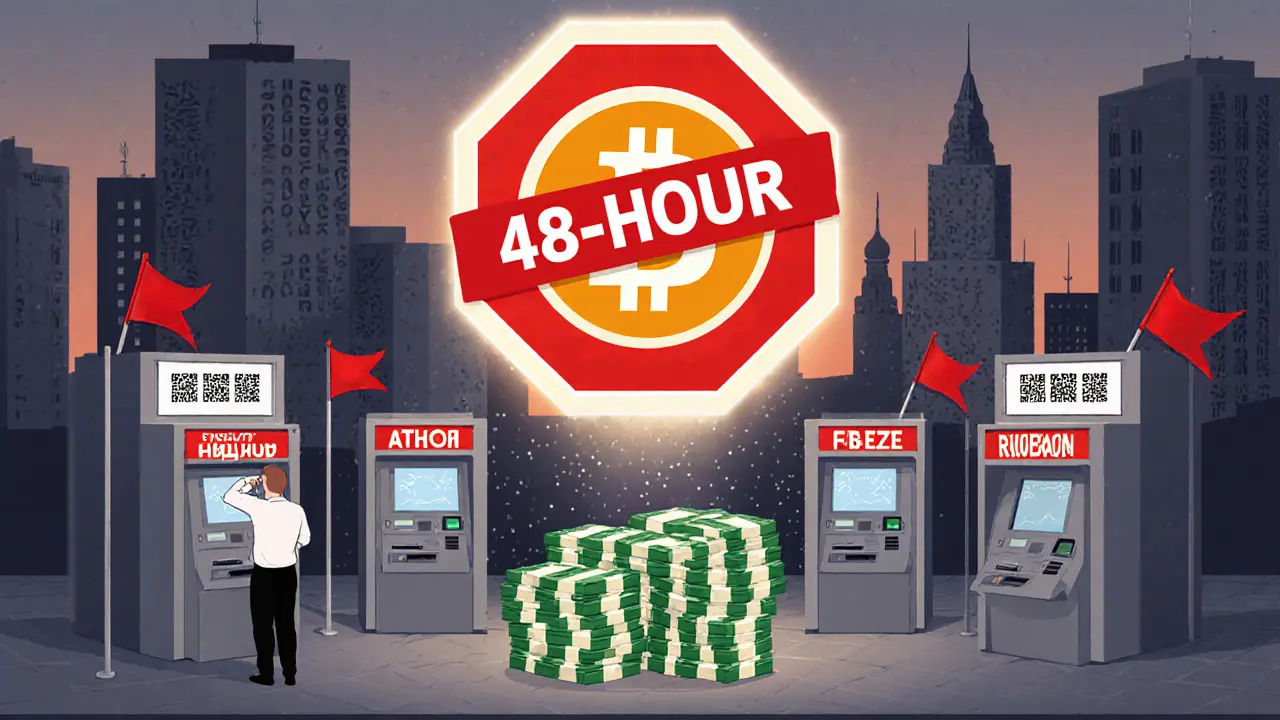
Russia's 2025 cash withdrawal limits have crippled Bitcoin cash trading, forcing users to turn to foreign exchanges, barter, and private crypto banks. Here's how traders are adapting-and what alternatives are working now.
Russia crypto ban: What happened, why it matters, and what it means for crypto users
When Russia first talked about banning crypto, digital assets like Bitcoin and Ethereum that operate without central banks. Also known as cryptocurrencies, they were seen as a threat to the ruble and state control over money. But the ban never fully happened. Instead, Russia got stuck in a confusing middle ground—partly outlawing crypto, partly letting it run underground. This half-measure didn’t stop people from using it. It just made everything riskier.
The real target wasn’t just crypto—it was crypto mining, the process of validating transactions and earning new coins using powerful computers. Also known as blockchain mining, it used up massive amounts of electricity, and Russia’s government didn’t like that power was being diverted from homes and factories. In 2022, they tried to ban mining outright. Then came the exemptions: if you paid taxes, used state-approved energy, and registered your rigs, you could keep going. But most miners didn’t bother. Too much paperwork. Too much risk. So they moved to Kazakhstan, Iran, or just went dark. Meanwhile, regular users kept trading Bitcoin and USDT through peer-to-peer apps like LocalBitcoins and P2P platforms on Telegram. The ban didn’t kill crypto—it pushed it into the shadows.
What’s left today? A quiet but active crypto economy. Russians still buy crypto to protect savings from inflation. They use it to send money abroad when banks block transfers. They mine in basements with stolen power or hidden rigs. The government doesn’t stop them—not because they approve, but because they can’t. The crypto crackdown, the government’s attempt to restrict digital assets through laws and surveillance. Also known as crypto regulation, it’s less about control and more about damage control. Meanwhile, global exchanges like Binance and OKX quietly adapted, letting Russians trade without KYC—until they didn’t. Now, even those doors are closing.
What you’ll find in these posts isn’t a history lesson. It’s a look at what actually happened when a country tried to ban something that doesn’t need borders. You’ll see how fake airdrops exploded in Russia as people chased quick cash. You’ll read about exchanges like Bitpin that became lifelines for locals. You’ll learn why a crypto tax law in 2025 might finally force the issue. And you’ll see how the same scams that tricked people in the U.S. also hit Russian users—because fraud doesn’t care about borders. This isn’t about politics. It’s about survival. And in Russia, crypto didn’t die. It just learned to hide.