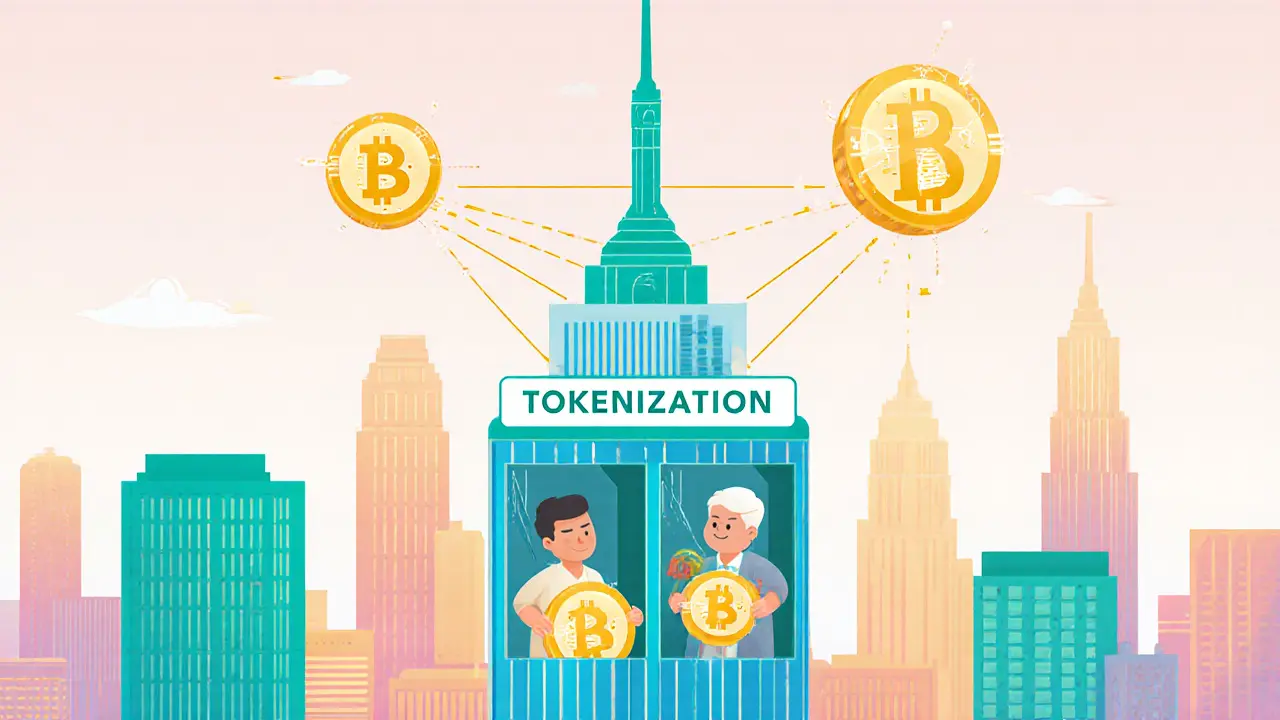
RWA tokenization platforms turn physical assets like real estate and machinery into digital tokens on blockchain, enabling fractional ownership and 24/7 trading. Learn how they work, who's leading the space, and why they're a $16 trillion opportunity-with real risks.
RWA Tokenization: Real-World Assets on Blockchain Explained
When you hear RWA tokenization, the process of turning physical assets like real estate, bonds, or commodities into digital tokens on a blockchain. Also known as tokenized real-world assets, it’s not science fiction—it’s already changing how money moves. Imagine owning a slice of a Manhattan apartment or a share of a wind farm without buying the whole thing. That’s RWA tokenization in action. It’s not about replacing banks—it’s about making ownership clearer, faster, and open to anyone with an internet connection.
Behind RWA tokenization are three big players: real-world assets, physical things with measurable value like property, art, or treasury bonds, blockchain assets, digital representations of value that can be traded, transferred, or programmed, and asset-backed tokens, tokens that derive their value from an underlying physical or financial asset. These aren’t just buzzwords—they’re the building blocks. Real-world assets get locked into smart contracts. Blockchain assets make them tradeable 24/7. Asset-backed tokens give you proof of ownership you can verify without a lawyer. Together, they turn slow, paperwork-heavy systems into something you can interact with like a crypto wallet.
Why does this matter now? Because traditional finance is stuck. Buying a piece of a commercial building used to mean lawyers, months of waiting, and minimum investments of $500,000. Now, you can buy a token representing 0.1% of that same building for under $100. Projects are already doing this with farmland in Kenya, rental income from apartments in Germany, and even music royalties from hit songs. The market isn’t hype—it’s growing. And the people winning aren’t just Wall Street firms. It’s small investors, freelancers, and retirees who never had access before.
What you’ll find below isn’t theory. It’s real examples—some working, some failed, all teaching something. You’ll see how airdrops tied to RWA projects actually played out, how exchanges handle these tokens, and why some so-called "tokenized asset" projects turned out to be ghosts. No fluff. Just what happened, why it mattered, and what to watch for next.