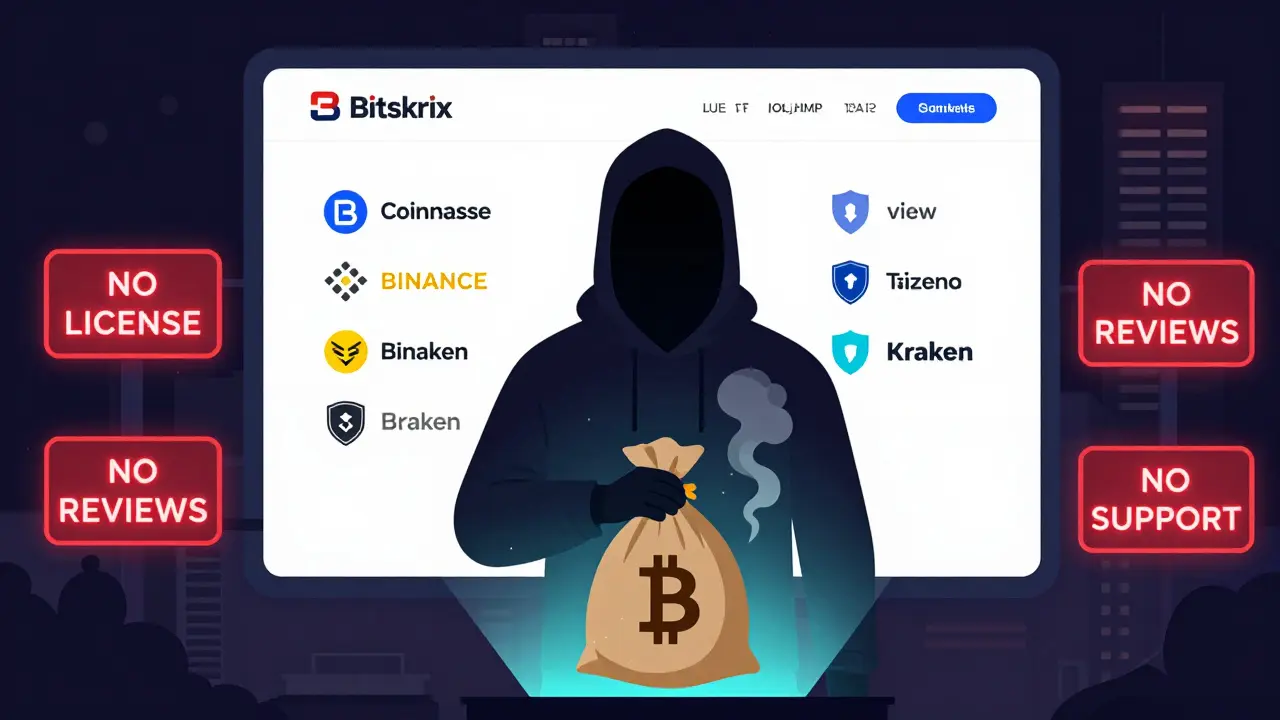
Bitskrix is not a legitimate crypto exchange. No reviews, no website, no regulatory presence-just a scam. Learn how fake exchanges work, how to spot them, and which real platforms to use instead.
Safe Crypto Trading: How to Avoid Scams, Phishing, and Losses
When you trade crypto, safe crypto trading, the practice of protecting your funds and personal data while buying, selling, or holding digital assets. Also known as crypto security, it’s not about being paranoid—it’s about knowing what to ignore, what to verify, and what to walk away from. Most people lose money not because the market crashed, but because they clicked the wrong link, entered their seed phrase on a fake site, or trusted a "free airdrop" that didn’t exist.
Crypto phishing, a scam where fraudsters trick you into giving up your wallet access through fake websites, emails, or messages. Also known as crypto scams, it’s evolved. In 2025, AI-generated fake support chats, deepfake videos of crypto CEOs, and cloned exchange login pages are common. You won’t see spelling errors anymore. You’ll see perfect grammar, real logos, and links that look identical to Binance or Coinbase. The only difference? They steal your keys the second you sign in. And if you’ve ever heard someone say, "I just entered my seed phrase once, I swear," you know how this ends. Your seed phrase isn’t a password—it’s the master key to your entire crypto life. Never type it anywhere online. Not in a form. Not in a chat. Not even in a "verified" support ticket.
Seed phrase safety, the act of keeping your 12- or 24-word recovery phrase offline, away from screens, and out of reach of anyone who asks for it. Also known as wallet security, it’s the one rule that never changes. No exchange, no airdrop, no team member will ever ask for it. If they do, they’re lying. Real platforms like Coincall or Bitpin use KYC and two-factor authentication—they don’t need your private keys. And if you’re wondering why so many "free token" campaigns fail, it’s because they’re not real. The FEAR token airdrop? Dead. The Sonar Holiday airdrop? Fake. The Position Exchange billboard? Impossible. These aren’t mistakes—they’re traps. Safe crypto trading means learning to say no. No to unsolicited DMs. No to "limited time" offers. No to websites that ask you to connect your wallet before you even know what you’re signing.
What you’ll find below isn’t theory. It’s what happened. The CYT airdrop that crashed. The BOMB token that vanished. The Coinrate exchange that never existed. The GEMS NFT drop that was real—and the one that wasn’t. Each post cuts through the noise. You’ll see how real users got burned, how scams changed in 2025, and how to spot the difference between a project with legs and a digital ghost. This isn’t about getting rich quick. It’s about keeping what you have. And that’s the only way to win in crypto long-term.

BitFriends Exchange is not a legitimate crypto platform. No verified records exist. This review exposes it as a scam designed to steal funds. Avoid fake exchanges and stick to trusted platforms like Kraken or Coinbase.