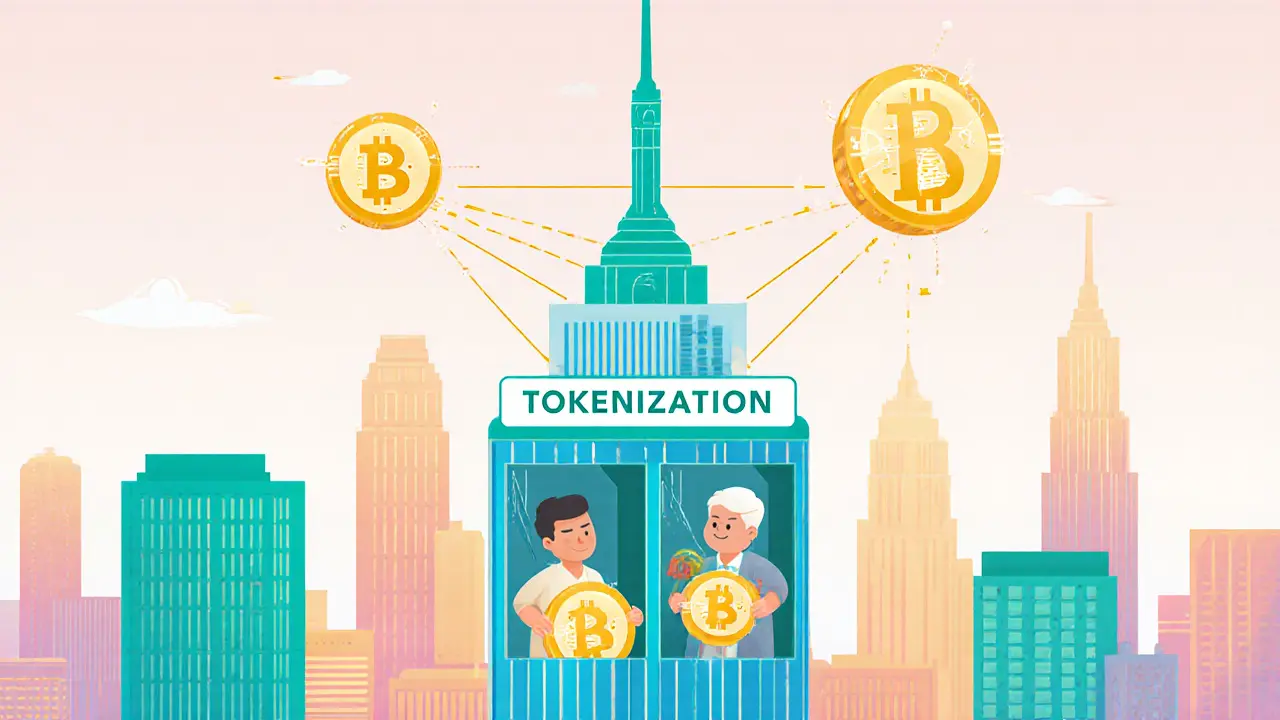
RWA tokenization platforms turn physical assets like real estate and machinery into digital tokens on blockchain, enabling fractional ownership and 24/7 trading. Learn how they work, who's leading the space, and why they're a $16 trillion opportunity-with real risks.
Securitize: What It Is, How It Works, and Why It Matters in Crypto
When you hear Securitize, a regulated platform for issuing and managing security tokens on blockchain networks. Also known as Securitize Platform, it doesn't just issue tokens—it makes sure those tokens follow U.S. securities laws, unlike most crypto projects that operate in legal gray zones. This isn't about meme coins or speculative airdrops. Securitize is built for institutions, accredited investors, and asset owners who want to move real-world value—like real estate, private equity, or company shares—onto the blockchain without breaking the law.
Securitize works by turning traditional assets into digital securities called security tokens, blockchain-based digital assets that represent ownership in a real asset and are subject to financial regulations. These aren't like Bitcoin or Ethereum. They come with restrictions: only verified investors can buy them, transfers require compliance checks, and dividends or profits are automatically distributed via smart contracts. The platform partners with legal firms and custodians to ensure every transaction meets SEC and FINRA rules. That’s why companies like RealT (real estate) and Harbor (private equity) use Securitize—they need legitimacy, not hype.
Behind Securitize is a bigger idea: tokenization, the process of converting rights to an asset into a digital token on a blockchain. Tokenization isn't just about crypto—it’s about making illiquid assets tradeable, divisible, and accessible. A $1 million property can be split into 10,000 tokens, each worth $100, and sold to investors worldwide who couldn’t afford the whole thing before. But without compliance, this becomes a legal nightmare. Securitize fixes that by building the guardrails into the system from day one.
You won’t find Securitize in lists of top exchanges or airdrop hubs. It doesn’t run on BSC or Solana for speed. It runs on Ethereum and Polygon because those chains support smart contracts that can enforce investor verification and transfer restrictions. And while other platforms chase viral trends, Securitize quietly powers the future of regulated finance. The posts below cover related topics—like how KYC works on crypto platforms, why some airdrops are scams, and how blockchain compliance affects everyday users. These aren’t random. They all tie back to the same question: how do you make crypto safe, legal, and useful for real people? Securitize is one of the few answers that actually works.