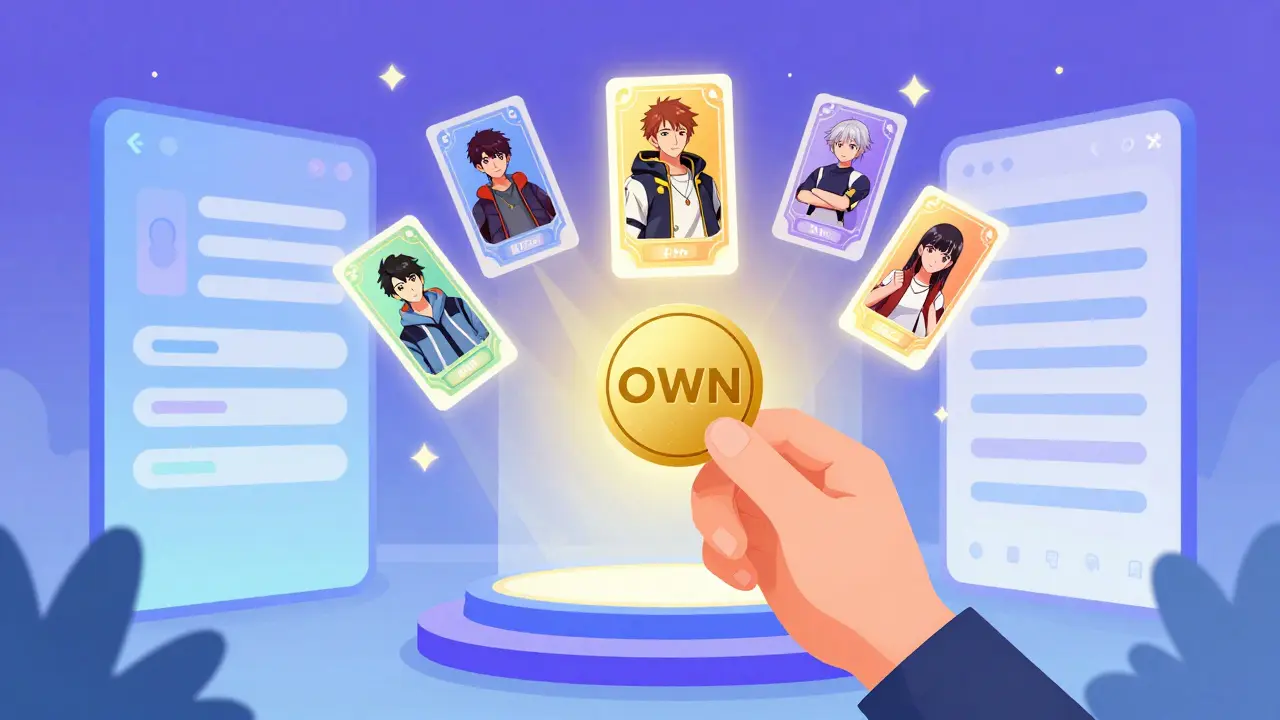
Otherworld (OWN) is a crypto token tied to licensed entertainment IP like Solo Leveling, designed to power a Web3 social platform. It's high-risk, highly volatile, and depends entirely on external licenses. Not a mainstream investment - just a niche collectible for fans.
Solo Leveling NFT: What It Is, Why It Matters, and What’s Really Happening
When you hear Solo Leveling NFT, digital collectibles tied to the hit anime series about a weak hunter who gains god-like powers. Also known as Solo Leveling digital assets, these NFTs let fans own rare scenes, characters, or items from the story—like the Shadow Monarch’s armor or the Gate of Souls. But here’s the catch: there’s no official Solo Leveling NFT project backed by the creators. Most of what you see online is either fan-made, unlicensed, or outright scams.
That’s why you’ll find posts here about NFT anime, digital collectibles based on animated series that promise value but often lack real utility, and why you need to be careful. Projects like Solo Leveling crypto, tokens or NFTs falsely linked to the anime to attract buyers often appear on low-traffic marketplaces with no team, no roadmap, and zero legal backing. They look flashy, but they’re built on hype, not hard work. Compare that to real NFT anime projects like those from Studio Pierrot or Crunchyroll, which have licensing, community support, and sometimes even in-game use.
NFT gaming, games where digital items have real value and can be traded or used across platforms is growing fast—but most anime-based NFT games fail to deliver. They promise play-to-earn rewards, but the economy collapses when new players stop joining. The same goes for Solo Leveling NFTs: if no one’s playing the game, the NFTs are just pictures. And if the project isn’t verified by the anime’s official team, you’re buying a digital poster, not an asset.
What you’ll find in the posts below aren’t hype pieces. They’re real breakdowns of what’s happening in the space—how fake NFTs get promoted, why some anime tokens vanish overnight, and how to tell the difference between a legitimate collectible and a pump-and-dump scheme. You’ll see how projects like VLXPAD and WSG airdrops operate, how scams mimic popular brands, and why even big names like Binance or OKX won’t list unlicensed anime NFTs. This isn’t about chasing the next big thing. It’s about understanding what’s actually valuable—and what’s just noise.