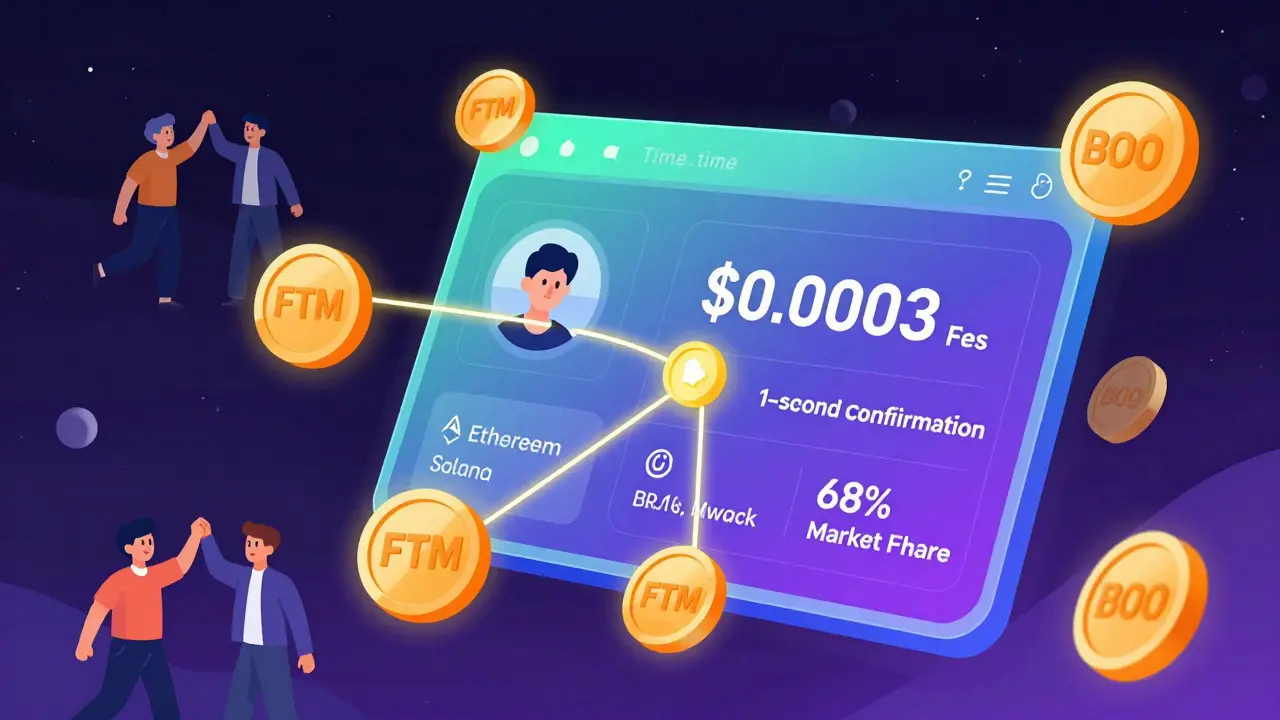
SpookySwap is the leading decentralized exchange on Fantom, offering near-zero gas fees, 1-second transaction speeds, and high-yield farming. Learn how it works, who it's for, and why it dominates DeFi on Fantom.
SpookySwap: What It Is, How It Works, and Why It Matters in DeFi
When you hear SpookySwap, a decentralized exchange built on the Fantom blockchain that enables peer-to-peer crypto trading without intermediaries. Also known as SPOOKY, it's one of the few DEXs that still draws consistent volume on a network many wrote off after the 2022 crypto winter. Unlike big names like Uniswap or SushiSwap, SpookySwap doesn’t try to be everything. It focuses on one thing: making swaps fast, cheap, and rewarding for users who want to avoid Ethereum’s high fees.
It works using liquidity pools, smart contract-based reserves where users lock up pairs of tokens to enable trading. Also known as AMMs, these pools let you trade tokens like FTM for BNB or USDC without needing a buyer or seller on the other side. When you add your own tokens to a pool, you earn a share of the trading fees—usually around 0.2% per swap. But here’s the catch: you also risk impermanent loss, a temporary drop in value when the price of your deposited tokens moves sharply compared to each other. SpookySwap doesn’t hide this. It even offers bonus rewards in its native SPOOKY token to offset that risk, which is why many users stick around even when prices dip.
What makes SpookySwap stand out isn’t just its low fees—it’s how it ties into the bigger DeFi ecosystem. You can stake your LP tokens to earn more SPOOKY, use it to farm new tokens on launch, or even participate in yield optimization strategies that auto-compound your earnings. It’s not for beginners who just want to buy Bitcoin. But if you’re already moving in DeFi circles, SpookySwap is a tool that gets the job done without the noise.
Looking at the posts below, you’ll find real-world examples of how people use SpookySwap—not just for trading, but for survival. From users who moved from Ethereum to avoid gas wars, to those who turned small liquidity positions into steady income streams during bear markets. You’ll also see warnings about fake SPOOKY tokens, scams pretending to be official farms, and how to verify you’re on the real contract. This isn’t theory. These are stories from people who’ve been there, lost money, and learned how to do it right.