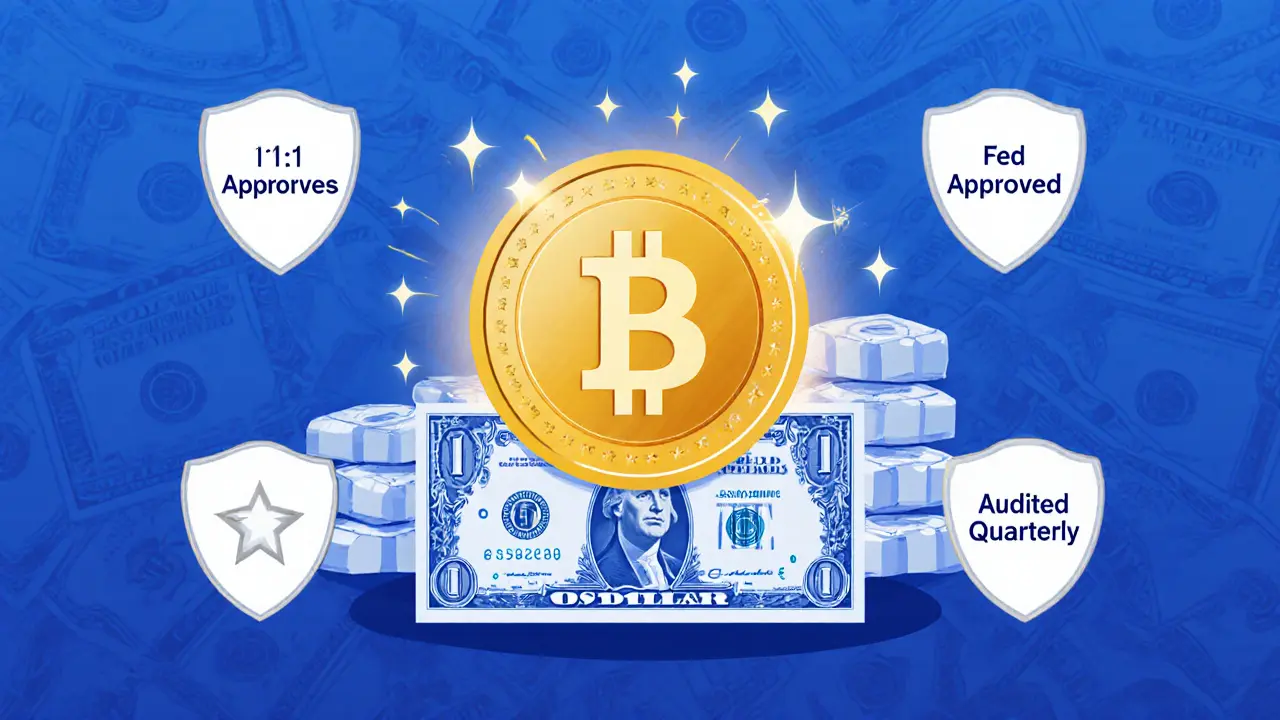
The GENIUS Act is the U.S.'s first federal framework for stablecoins, requiring 1:1 reserves, federal licensing, and strict audits. It ensures safety for users and sets the global standard for digital dollar adoption.
Stablecoin Regulation: What It Means for Your Crypto Holdings
When you hold stablecoin, a type of cryptocurrency designed to maintain a stable value by pegging to a fiat currency like the US dollar. Also known as digital dollar tokens, they’re the backbone of crypto trading, lending, and payments—used by millions every day. But now, governments are stepping in. USDT, the most widely used stablecoin, issued by Tether, and often used as a bridge between crypto and fiat and USDC, a transparent, regulated stablecoin backed by Circle and Coinbase aren’t just digital money anymore—they’re financial instruments under scrutiny. If you’re using them to trade, earn interest, or move value across chains, you need to know what’s changing.
Stablecoin regulation isn’t about stopping crypto—it’s about bringing it into the same room as banks. The U.S. is pushing for issuers to hold real cash reserves, submit to audits, and report transactions. The EU’s MiCA law already requires stablecoin providers to be licensed and disclose their backing. This isn’t theoretical. In 2023, regulators forced some smaller stablecoins to shut down because they couldn’t prove they had the dollars they claimed. If you’re holding USDT or USDC, you’re not just holding a token—you’re trusting a company’s balance sheet. And now, that trust is being legally enforced.
What does this mean for you? If you’re using stablecoins to avoid volatility, you’re still safe—but the rules around how you use them are tightening. Exchanges will need to do more KYC. Wallets might block transfers from unapproved issuers. And if you’re earning yield on stablecoins through DeFi protocols, some of those options could vanish overnight if they don’t comply. This isn’t a threat—it’s a cleanup. The bad actors are being pushed out. The ones left standing? They’ll be more reliable than ever.
Below, you’ll find real-world examples of what happens when regulation hits crypto projects—like the FEAR token airdrop that faded fast, or the fake TRO airdrop that never existed. You’ll see how scams thrive in the gray areas, and how legitimate platforms like Coincall and Bitpin adapt to compliance. You’ll learn what’s real, what’s risky, and what’s just noise. This isn’t about fear. It’s about clarity. And if you’re holding stablecoins, you need it now.