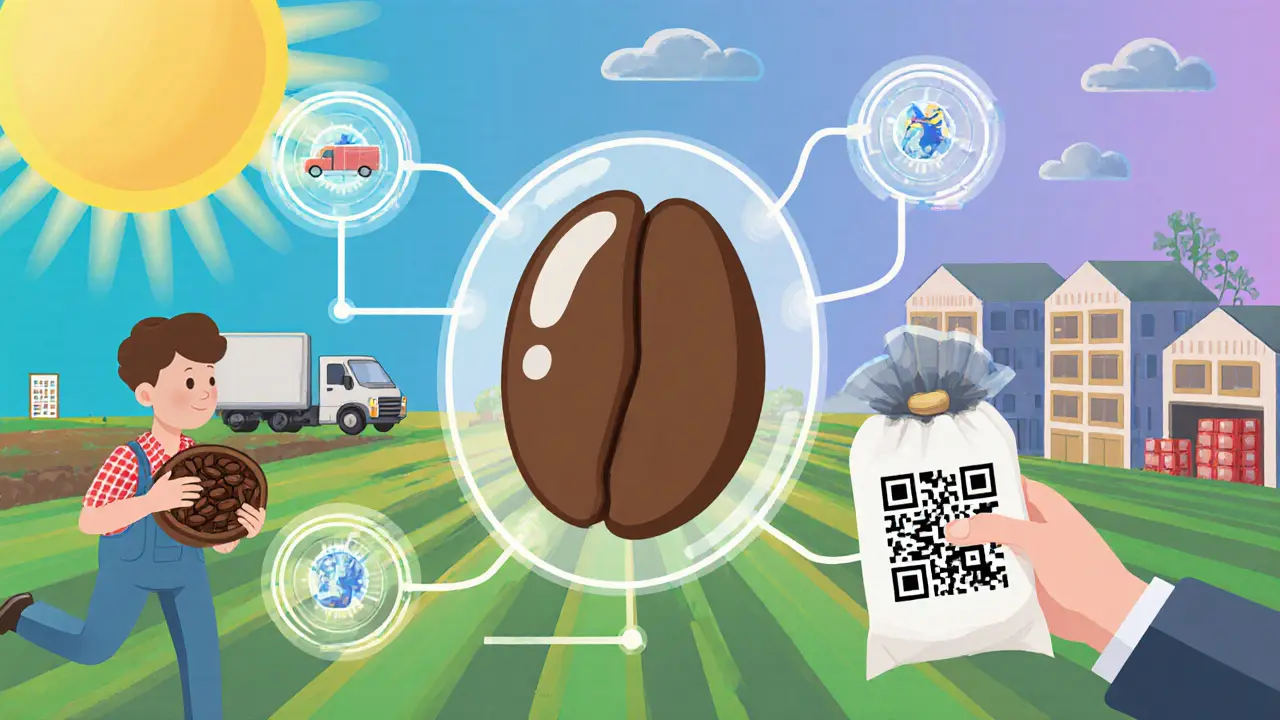
Blockchain for supply chain transparency creates tamper-proof records of every product movement, from raw materials to consumers. It cuts fraud, speeds up recalls, and builds trust with customers-no more guesswork.
Supply Chain Tracking in Crypto: How Blockchain Is Changing How Goods Move
When you think of supply chain tracking, the process of monitoring the movement of goods from origin to consumer using digital records. Also known as logistics transparency, it's not just about knowing where your package is—it’s about knowing who made it, where the materials came from, and if it was treated fairly along the way. For years, this system ran on paper, spreadsheets, and guesswork. Now, blockchain is stepping in to replace the chaos with clarity.
blockchain supply chain, a decentralized ledger that records every step of a product’s journey in an unchangeable way doesn’t need a central authority to verify data. Each scan, shipment, or inspection gets locked into a chain of blocks, visible to everyone who’s authorized. That means if a bag of coffee claims to be fair trade, you can see the farmer’s ID, the shipping date, the customs check, and even the carbon footprint—all without trusting a single company’s word. It’s not magic. It’s math and code working together to cut out the middlemen who used to hide mistakes.
And it’s not just about food or clothes. tokenized logistics, the use of digital tokens to represent physical assets or movements within a supply chain is turning real-world goods into on-chain assets. Think of a pallet of electronics moving from Shanghai to Los Angeles. Each box gets a unique NFT. When it clears customs, the NFT updates. When it hits a warehouse, another update. If someone tries to swap out the goods? The system knows. This isn’t theory—it’s being tested by companies moving pharmaceuticals, luxury goods, and even rare minerals.
But here’s the catch: most crypto projects talking about supply chain tracking aren’t actually moving anything. They’re selling tokens. You’ll see airdrops for "supply chain tokens," fake platforms claiming to track diamonds, or memes pretending to verify organic cotton. Real supply chain tracking doesn’t need a coin. It needs sensors, QR codes, and verified data feeds. The crypto part? It’s just the ledger. The rest? That’s still old-school logistics.
That’s why the posts below aren’t about hype. They’re about what actually happened. Like the GEMS NFT airdrop that tied real esports events to digital ownership, or how RWA tokenization platforms are turning warehouse inventory into tradeable assets. Some projects failed because they confused marketing with mechanics. Others succeeded because they solved a real problem: proving authenticity without asking for trust.
What you’ll find here aren’t guides on how to buy a "supply chain coin." You’ll find real cases—what worked, what crashed, and why most "blockchain supply chain" projects are just digital smoke and mirrors. If you care about where your stuff comes from, and who’s lying about it, this is the place to start.