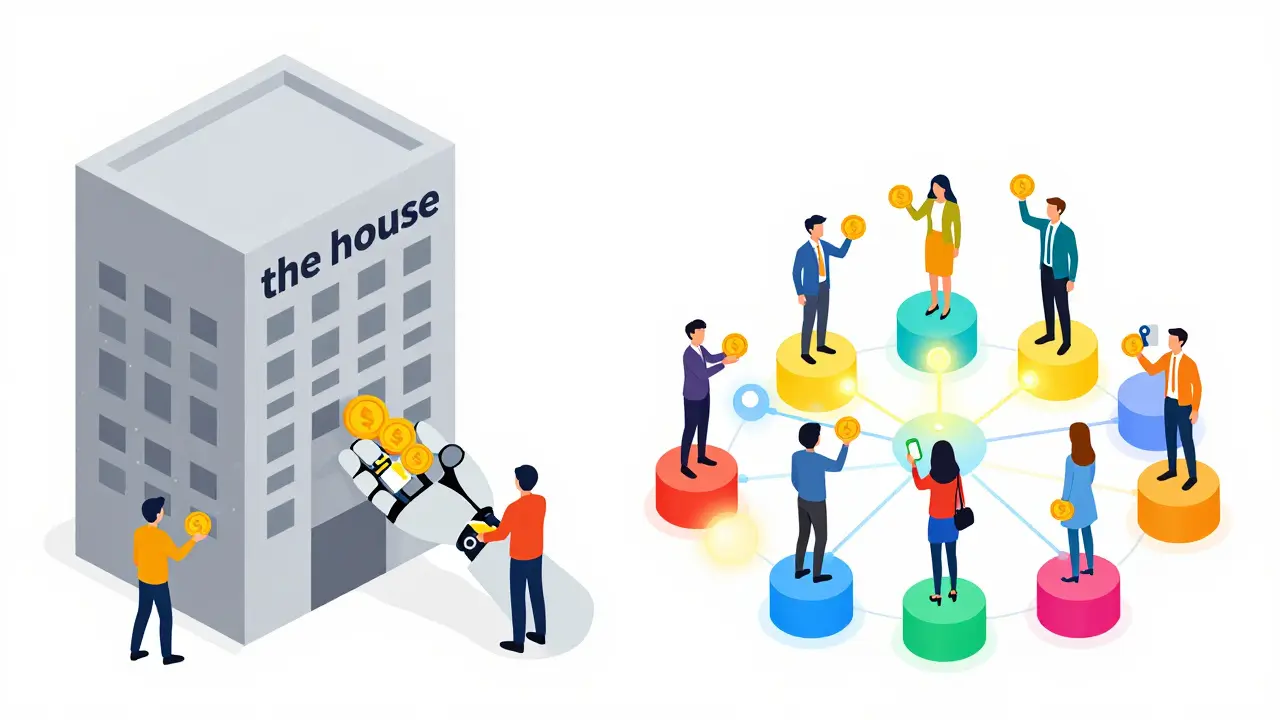
Learn how to monetize content using decentralized social media. Explore token-based economies, creator coins, and how to take ownership of your audience in Web3.
Web3 Social: How Decentralized Networks Are Changing How We Connect Online
When you think about Web3 social, a new kind of online interaction built on blockchain where users own their data, identity, and content. Also known as decentralized social media, it flips the script on platforms like Twitter or Facebook by removing corporate middlemen and putting control back in your hands. This isn’t just another tech buzzword—it’s a shift in who really owns your voice, your followers, and your digital reputation.
Unlike traditional apps that sell your attention, blockchain social networks, platforms like Lens Protocol, Farcaster, or Mastodon with crypto integration reward you for posting, engaging, and building communities. You earn tokens not just for liking a post, but for helping grow a network that belongs to everyone. Your identity isn’t locked inside one app—it lives on-chain as a portable profile you can take anywhere. That’s the core of Web3 identity, a self-sovereign digital persona tied to your wallet, not your email or phone number. No more losing your account because a company changes its rules. No more shadow bans. Just your content, your rules.
And it’s not just about freedom—it’s about value. In Web3 social, your influence becomes tangible. If you build a loyal following on a decentralized platform, you can monetize it directly through tips, NFTs, or token-gated access. Communities don’t just talk—they co-own. This is why you see crypto-native groups forming around projects, DAOs, and even memes, all powered by smart contracts instead of corporate dashboards. But it’s not perfect. These platforms are still early, often clunky, and full of scams pretending to be the next big thing. That’s why you need to know what’s real.
The posts below cut through the noise. You’ll find real breakdowns of how peer-to-peer crypto trading still works in places like China despite bans, how tax rules in India and Portugal affect crypto earners, and which platforms are actually safe to use. You’ll see how airdrops like WSG and VLXPAD are structured, why some crypto tokens like AICM and BTSG are dead on arrival, and how exchanges like SpookySwap and GMX are shaping DeFi. These aren’t theoretical ideas—they’re real people navigating this new world, trying to stay ahead of scams, taxes, and broken promises. Whether you’re new to Web3 social or you’ve been in it for years, this collection gives you the tools to spot what’s legitimate—and what’s just noise.
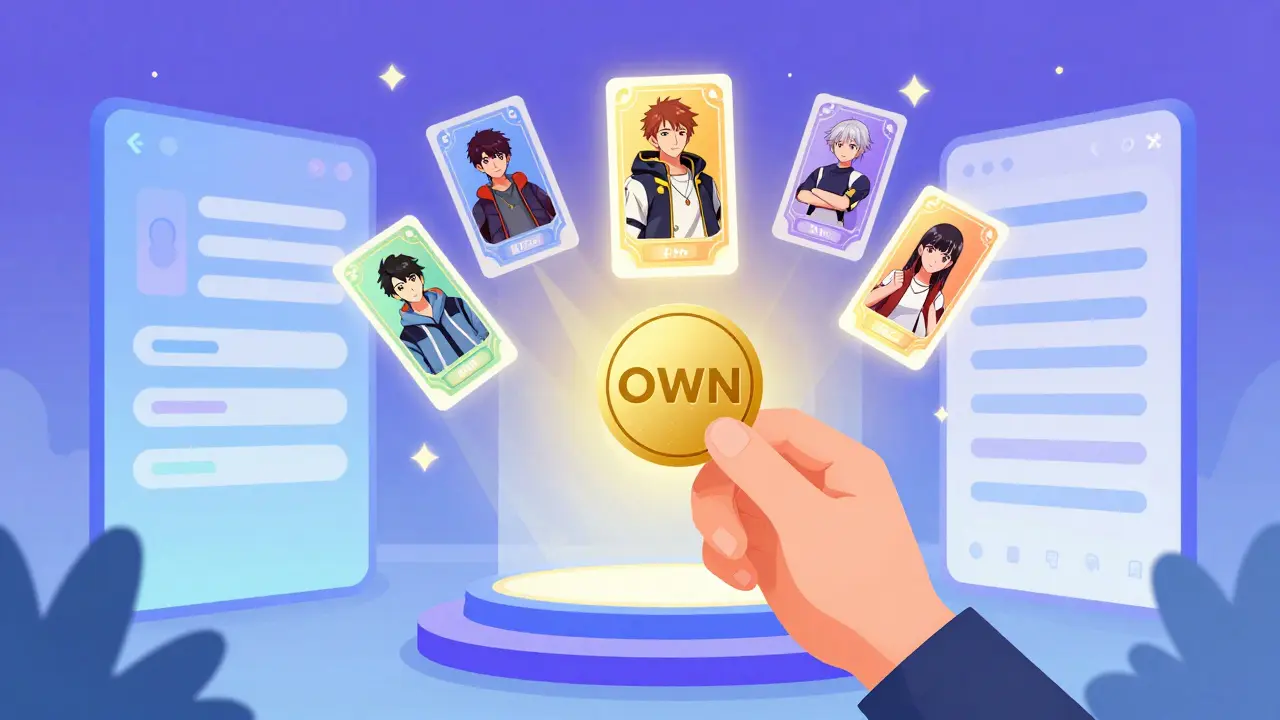
Otherworld (OWN) is a crypto token tied to licensed entertainment IP like Solo Leveling, designed to power a Web3 social platform. It's high-risk, highly volatile, and depends entirely on external licenses. Not a mainstream investment - just a niche collectible for fans.