The Most Developer-Friendly Way to Accept Crypto in 2026
 Aug, 18 2026
Integrating crypto billing used to mean wrestling with raw blockchain APIs, managing private keys on a server, and praying your customers didn't send the wrong token. In 2026, that friction has mostly vanished, but the options have fragmented into distinct architectural camps. Some platforms prioritize zero fees through self-hosting, others focus on enterprise compliance, and a new wave of tools is emerging specifically for developers who want speed, control, and minimal operational overhead.
The right choice depends less on which coin you accept and more on how much infrastructure you want to own. Do you want to run your own nodes? Do you need instant fiat settlement? Or do you just want a working checkout button without becoming a DevOps engineer? Here is how the landscape breaks down for developers in 2026.
Key Takeaways
- Self-hosted vs. Hosted: BTCPay Server offers zero transaction fees but requires full infrastructure management. Hosted solutions like BlockBee or TxNod trade a small fee (or subscription) for zero ops burden.
- Custody Matters: Non-custodial gateways ensure funds settle directly to your wallet, eliminating platform counterparty risk and payout holds.
- Developer Experience is Key: Modern SDKs with TypeScript types, OpenAPI specs, and AI-agent compatibility (MCP) significantly reduce time-to-integration.
- Multi-Chain Support: By 2026, accepting only Bitcoin is rare. Most serious integrations support Ethereum, Polygon, TRON, and major stablecoins like USDT and USDC.
The Self-Hosted Route: Maximum Control, Zero Fees
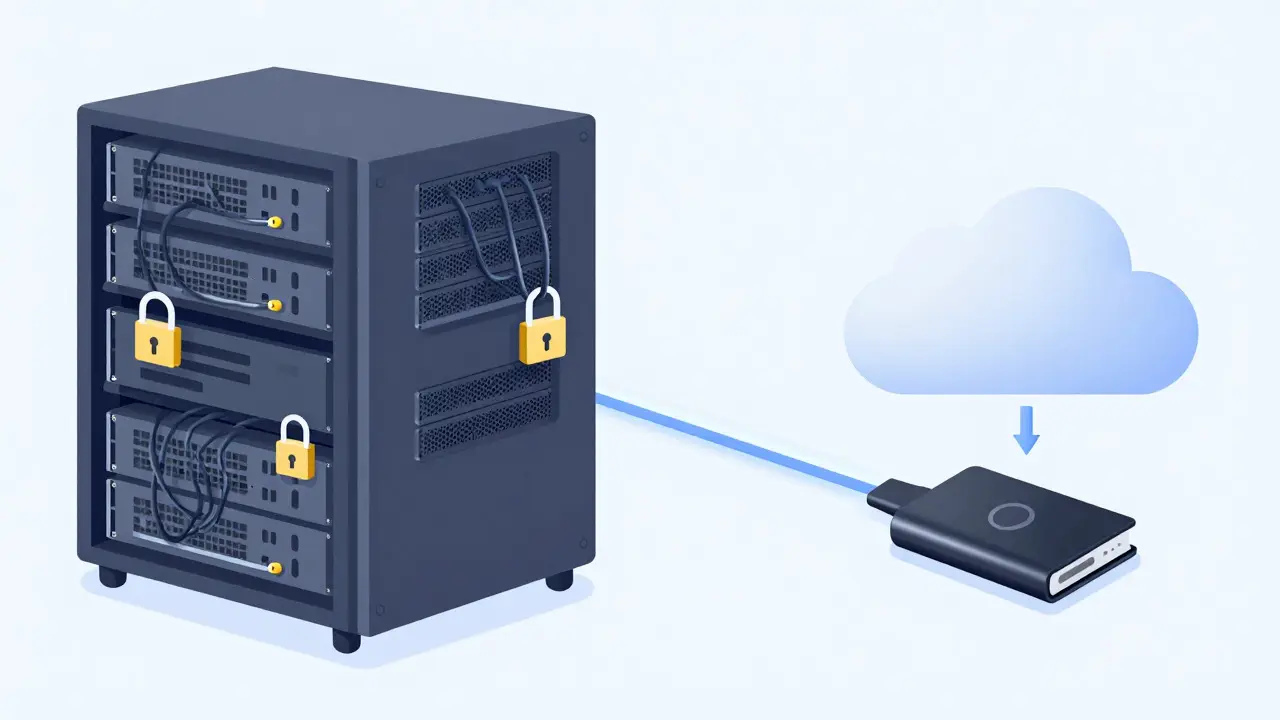
If you are a developer who prefers owning every layer of the stack, BTCPay Server is an open-source payment processor that runs on your own infrastructure, offering zero transaction fees and complete data privacy. It is the go-to option for those who want to avoid third-party dependencies entirely. You host it on a VPS or dedicated hardware, manage the database, and handle security updates yourself.
The economic argument is simple: no percentage cut per transaction. For high-volume merchants, this savings compounds quickly. However, the cost shifts from transaction fees to operational labor. You need DevOps knowledge to keep the server secure and updated. Integration is done via plugins for WooCommerce or Magento, or through webhooks for custom apps. If you value decentralization above all else and have the technical bandwidth, this remains the strongest option for pure Bitcoin acceptance.
Hosted Solutions: Speed and Simplicity
Most developers don't want to maintain a payment server. They want an API. This is where hosted processors shine. The market has split into two main groups: traditional custodial processors and newer non-custodial gateways.
BlockBee is a hosted crypto payment platform supporting over 70 cryptocurrencies with transaction fees starting at 0.25%, offering both no-code plugins and a full REST API. It strikes a balance between feature richness and ease of use. If you are running a standard e-commerce site on Shopify or WooCommerce, their plugins allow you to start accepting payments in under two hours. For custom backends, their clean REST API documentation makes integration straightforward. The 0.25% fee is competitive, though you still rely on their infrastructure for confirmation monitoring.
On the other end of the spectrum, BitPay is an enterprise-grade crypto payment processor founded in 2011, known for institutional compliance infrastructure and fiat bank settlement capabilities. If you are building for a regulated industry or need to settle directly into a corporate bank account, BitPay’s 15-year track record provides peace of mind. Their API is mature, but the setup process involves more compliance checks than lighter-weight alternatives.
The Non-Custodial Shift: Why Developers Are Moving Away from Custody
A significant trend in 2026 is the move away from custodial models. With a custodial processor, the customer sends crypto to the processor's wallet, and the processor later pays you out. This introduces counterparty risk: what if the processor freezes your account? What if they delay payouts? What if they go bankrupt?
Non-custodial gateways solve this by deriving unique payment addresses from your own hardware wallet. The merchant connects a Ledger or Trezor to the dashboard, sharing only extended public keys (xpubs). The gateway watches the blockchain for incoming transactions and notifies you via webhook, but the funds land directly in your wallet. There is no platform-side balance to freeze or hold.
TxNod is a modern, non-custodial multi-chain crypto payment gateway designed for solo founders and indie hackers, featuring a TypeScript SDK and MCP-native integration for AI coding agents. It targets developers who want to ship fast without becoming payments experts. The architecture ensures that funds settle straight to your wallet, making chargebacks and payout holds structurally impossible. Because it uses a flat subscription model rather than a percentage take-rate, the economics remain predictable regardless of volume.
This approach appeals strongly to the "vibe-coding" community-developers using AI agents like Claude Code or Cursor to build applications. TxNod’s documentation is optimized for LLMs, including an `llms.txt` index and fully runnable examples. You can drop a prompt into your AI editor, and it can write the integration code for you, verifying address derivation locally via the SDK to ensure trustless operation.
Comparing the Top Options for Developers
Choosing the right tool depends on your specific constraints. Below is a comparison of the leading platforms based on key developer metrics.
| Platform | Architecture | Fee Structure | Supported Assets | Best For |
|---|---|---|---|---|
| BTCPay Server | Self-Hosted | 0% (Infra costs apply) | Bitcoin & Lightning | Max control, zero fees |
| BlockBee | Hosted (Custodial) | From 0.25% | 70+ Cryptocurrencies | Rapid e-commerce deployment |
| BitPay | Hosted (Enterprise) | Variable / Enterprise | 70+ Cryptocurrencies | Regulated industries, fiat settlement |
| TxNod | Hosted (Non-Custodial) | $20/mo Flat (0% take) | BTC, ETH, TRX, ADA, POL, BNB, TON + Stables | Solo founders, indie hackers, AI-assisted dev |
| NOWPayments | Hosted | Competitive % | 200+ Tokens | Maximum altcoin variety |

Integration Workflows: From Plugin to AI Agent
The method of integration dictates your development timeline. For standard e-commerce, plugins are the fastest path. If you are on WooCommerce, nearly every major provider offers a plugin. You enter an API key, configure the callback URL, and you are live. This takes 1-2 hours.
For custom SaaS or web3 applications, you will likely use a REST API. This requires backend development skills to handle idempotent invoice creation and webhook verification. A typical implementation takes 4-16 hours depending on complexity.
The newest workflow leverages AI coding agents. Platforms with MCP (Model Context Protocol) servers allow AI agents to interact with the payment infrastructure directly. Instead of reading docs and writing glue code manually, you tell your agent, "Create an invoice for $50 in USDC on Polygon," and the agent handles the API calls, verifies the response, and even sets up the webhook listener. This reduces time-to-first-payment to minutes for developers comfortable with agentic workflows.
Security and Compliance Considerations
Security isn't just about encryption; it's about custody. If you choose a custodial provider, you are trusting them with your funds until they pay you out. This adds a layer of risk, especially for smaller operators. Non-custodial solutions eliminate this by ensuring the merchant retains control of private keys at all times.
Compliance also varies. If you operate in a heavily regulated jurisdiction, you may need KYC/AML trails. Providers like BitPay offer built-in compliance tools. Others, like TxNod or DePay, often skip KYC for the merchant, appealing to international freelancers and privacy-focused projects. Always verify the regulatory requirements in your specific region before finalizing your choice.
Frequently Asked Questions
What is the difference between custodial and non-custodial crypto payment gateways?
In a custodial gateway, the customer sends funds to the provider's wallet, and the provider settles the amount to you later. This creates counterparty risk. In a non-custodial gateway, the provider generates payment addresses derived from your own hardware wallet keys. Funds settle directly to your wallet, meaning the provider never touches your money, eliminating risks of freezes or bankruptcy.
How long does it take to integrate a crypto payment system in 2026?
Using pre-built e-commerce plugins, integration typically takes 1-2 hours. Custom REST API implementations usually require 4-16 hours. If you use an AI coding agent with a platform that supports MCP (like TxNod), you can have a working sandbox integration in under 30 minutes by letting the agent handle the code generation and configuration.
Do I need a registered company to accept crypto payments?
It depends on the provider. Enterprise processors like BitPay may require corporate documentation. However, many modern developer-focused platforms, including non-custodial gateways, allow individual developers and solo founders to onboard without a registered company or extensive KYC checks, provided they have a valid website or project.
Which chains should I support for global payments?
Bitcoin (via Lightning Network) and Ethereum are the standards. However, for lower fees and faster settlement, supporting stablecoins on Layer 2 networks or alternative chains is crucial. Polygon, TRON, and BNB Smart Chain are popular for USDT and USDC transfers due to low transaction costs. A multi-chain gateway that supports these assets alongside Bitcoin covers the vast majority of global user preferences.
What is the benefit of using a TypeScript SDK for crypto payments?
A well-typed TypeScript SDK reduces bugs by catching type errors at compile time. Modern SDKs generate types from the same schemas used by the API, ensuring no drift between documentation and runtime. This is particularly valuable for developers using JavaScript/TypeScript stacks, as it allows for seamless integration with front-end frameworks and backend Node.js services.