ThunderSwap Crypto Exchange Review: Is It Safe to Trade in 2026?
 Mar, 25 2026
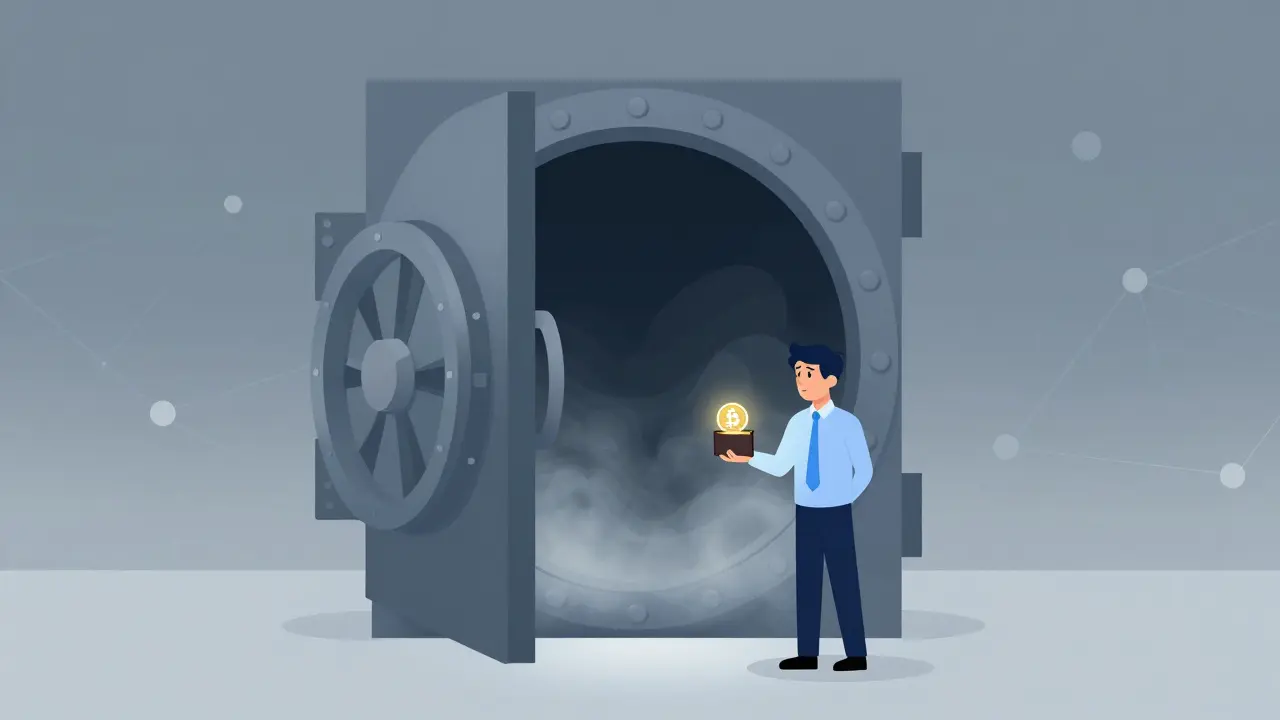
Imagine walking into a bank where the vault door is open, but nobody knows how much money is inside. That's essentially what trading on ThunderSwap is like right now. You might be looking for a new place to swap your tokens on the Binance Smart Chain, hoping to save on fees or find a hidden gem. But before you connect your wallet, there are some hard truths you need to hear about this platform. In the world of decentralized finance, obscurity often means risk, and ThunderSwap is currently very obscure.
I've spent hours digging through the data, checking blockchain explorers, and looking at what the major tracking sites say. The verdict isn't exactly what you want to hear if you're planning to deposit your savings. While the platform technically exists, the lack of verifiable data raises serious red flags that every crypto investor should understand before taking action.
What Exactly Is ThunderSwap?
At its core, ThunderSwap is a decentralized exchange (DEX) built on the Binance Smart Chain (BSC). It was created as a fork of Uniswap, the original automated market maker protocol that kicked off the DeFi revolution back in 2018. If you've used Uniswap, you'll recognize the basic mechanics here. It uses a constant product formula (x*y=k) to manage liquidity pools, allowing users to swap tokens without needing a traditional order book.
The platform's stated goal was to offer users low fees and high transaction speeds by leveraging the BSC network. This makes sense on paper. Binance Smart Chain is a blockchain network known for its low gas fees and fast block times compared to Ethereum. Many traders flock to BSC specifically to avoid the high costs associated with Ethereum transactions. ThunderSwap's native token is TNDR, which is the governance and utility token used within the ecosystem. You can find price data for TNDR on some aggregators, but that doesn't necessarily mean the exchange itself is healthy.
However, being a fork of Uniswap is a double-edged sword. It means the technology is proven, but it also means the project is just one of hundreds of copies. Without unique features, a strong team, or significant liquidity, these forks often fade into obscurity. And that is exactly where ThunderSwap stands today.
The Red Flags: Why Data Matters
Here is the most critical piece of information I found during my research. As of late 2024, CoinMarketCap has classified ThunderSwap as a 'non-tracked listing'. What does that actually mean for you? It means the data regarding trading volume is not being tracked or verified. In the crypto world, volume is the lifeblood of an exchange. It tells you if people are actually using the platform and if there is enough liquidity to execute your trades without massive slippage.
When a platform is non-tracked, it usually falls into one of two categories: it is either too small to matter, or it has operational transparency issues that prevent reliable metrics collection. Neither scenario is ideal for a trader. I checked Koinly's expert review of the best decentralized exchanges from early 2025, and ThunderSwap wasn't on the list. Alchemy's comprehensive directory of 55 crypto exchanges also didn't include it. When the big data aggregators ignore a project, it's a signal that the project isn't meeting standard verification requirements.
Furthermore, there is a complete absence of smart contract audit reports. Security is the number one concern in DeFi. Reputable exchanges like PancakeSwap or Uniswap publish audits from firms like CertiK or Trail of Bits. These audits check for bugs that hackers could exploit to drain the liquidity pools. ThunderSwap has no public documentation regarding security protocols or audits. Trading on an unaudited contract is like driving a car without brakes; it might work fine until it doesn't.
ThunderSwap vs. The Real Contenders
Let's be honest. If you are on the Binance Smart Chain, you have better options. The BSC ecosystem is dominated by established players that offer the same low fees but with actual security and liquidity. To put things in perspective, let's look at how ThunderSwap stacks up against the market leader.
| Feature | ThunderSwap | PancakeSwap |
|---|---|---|
| Network | Binance Smart Chain | Binance Smart Chain |
| Volume Tracking | Non-tracked (Unavailable) | Verified ($200M+ daily) |
| Total Value Locked (TVL) | Unknown/Unverified | $2 Billion+ (Jan 2025) |
| Security Audits | No public documentation | Multiple audits by top firms |
| Community Presence | Minimal to none | 1.5M+ Twitter followers |
| Token | TNDR | CAKE |
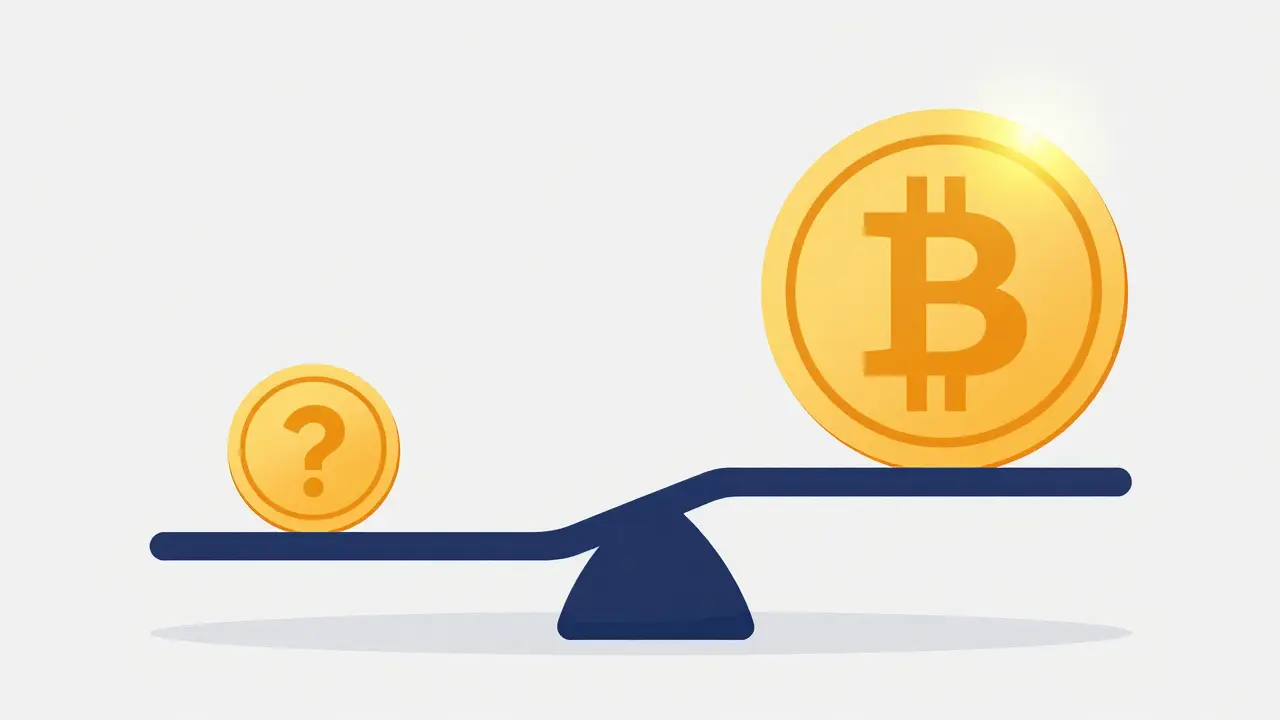
As you can see, the gap is massive. PancakeSwap is the leading DEX on BSC with billions in locked value and millions of users. It offers features like yield farming, lottery tickets, and NFT marketplaces, which ThunderSwap lacks. The liquidity on PancakeSwap ensures that when you swap tokens, you get a fair price. On a low-liquidity platform like ThunderSwap, your trade could suffer from high slippage, meaning you get significantly less than expected for your money.
Community trust is another factor. PancakeSwap has over 1.5 million followers on Twitter and active discussions on Reddit. ThunderSwap has virtually no social media presence. In crypto, community is security. If a project goes wrong, a large community often holds the developers accountable. With ThunderSwap, there is no one to hold accountable.
Security Risks and Regulatory Context
We are living in a changing regulatory landscape. The MiCA (Markets in Crypto-Assets) regulations came into effect in Europe in June 2024, setting strict standards for transparency and transaction monitoring. While this applies primarily to European entities, it sets a global standard for what a compliant exchange looks like. Non-tracked exchanges like ThunderSwap fail to meet these transparency standards.
According to industry reports from Delphi Digital in 2025, projects lacking transparent volume metrics and community engagement have less than 5% long-term viability. They typically disappear within 18 months of launch. This pattern is consistent with what we see in the "rug pull" sector of DeFi. A rug pull happens when developers drain the liquidity from a pool and vanish. Without audits or a known team, it is impossible to know if ThunderSwap's developers are still active or if they have already exited the project.
Using a wallet like MetaMask or Trust Wallet to interact with ThunderSwap exposes your private keys to the contract. While the contract itself might not steal your funds immediately, it could approve unlimited spending of your tokens. If the project is abandoned, you might find your tokens stuck in a pool with no way to withdraw them.
What Happens If You Trade There?
If you decide to proceed despite the warnings, here is what the experience typically looks like. You would connect your wallet, select the token pair, and approve the transaction. Because the liquidity is likely low, you might notice that the "price impact" warning is high even for small trades. This is a sign that there isn't enough money in the pool to absorb your trade without moving the price significantly.
Furthermore, the user interface of many older forks is often outdated. You might not find support for newer token standards or features like limit orders. You are essentially using a piece of software that hasn't been updated in a long time. In the fast-moving world of crypto, outdated code is a security vulnerability waiting to happen.
There is also the issue of token availability. If you swap for a token on ThunderSwap, you might find that token is not listed on any major centralized exchange. You could end up holding a bag of tokens that are impossible to sell elsewhere. This is known as being "stuck" in a dead project.
Better Alternatives for BSC Traders
If your goal is to trade on the Binance Smart Chain with low fees and high speed, you don't need ThunderSwap. There are safer, more robust options available. PancakeSwap remains the gold standard for BSC trading. It offers the lowest fees, the highest liquidity, and a proven track record of security.
Another excellent option is Biswap, which is another BSC-based DEX that offers competitive fees and rewards. It has a larger user base and better security measures than ThunderSwap. For those looking for even more advanced features, 1inch is a DEX aggregator that finds the best prices across multiple exchanges. By using an aggregator, you ensure you are getting the best rate without having to manually check different platforms.
Always prioritize platforms that have:
- Verified trading volume on CoinMarketCap or CoinGecko.
- Public smart contract audits from reputable firms.
- Active social media channels with real community engagement.
- Clear documentation and a known development team.
These criteria filter out the risky projects and keep your funds safe.
Is ThunderSwap a scam?
There is no definitive proof that ThunderSwap is a scam, but it exhibits many characteristics of high-risk projects. It is listed as 'non-tracked' on CoinMarketCap, lacks security audits, and has no verifiable trading volume. These factors make it unsafe for most users.
Can I still use ThunderSwap to swap tokens?
Technically, you might be able to connect your wallet and attempt a swap, but the lack of liquidity means you could face high slippage or failed transactions. It is strongly recommended to use established exchanges like PancakeSwap instead.
What is the TNDR token?
TNDR is the native token of the ThunderSwap protocol. It is intended for governance and utility within the platform. However, due to the platform's low activity, the token has limited use and liquidity.
Why is ThunderSwap not tracked on CoinMarketCap?
CoinMarketCap categorizes projects as 'non-tracked' when they fail to meet verification requirements for volume reporting. This usually indicates insufficient liquidity, questionable operations, or a lack of reliable data sources.
Is it safe to connect my wallet to ThunderSwap?
Connecting your wallet to an unaudited, non-tracked exchange carries significant risk. While connecting alone doesn't steal funds, interacting with the contract could expose you to smart contract vulnerabilities or malicious approvals.
Final Thoughts on Safety
Crypto trading is exciting, but it requires caution. The allure of a new, unknown exchange can be tempting, especially if you are looking for lower fees or new tokens. But in 2026, the DeFi space is mature enough that you don't need to gamble on obscure platforms. Stick to the giants that have proven their worth over time. Your capital is hard-earned, and it deserves to be protected by platforms with transparency, security, and a real community backing them.
ThunderSwap might have had potential years ago, but the current data suggests it is no longer a viable option for serious traders. Save yourself the headache and the potential loss of funds by sticking to the proven leaders in the BSC ecosystem. If you are ever in doubt about an exchange, check its volume, look for audits, and see what the community is saying. If you can't find answers, the safest answer is usually to stay away.
vu phung
March 26, 2026 AT 18:49The mechanics of automated market makers rely heavily on the invariant constant product formula to maintain equilibrium within liquidity pools. When you observe the lack of verified volume metrics on aggregators like CoinMarketCap it signals a breakdown in the fundamental liquidity provision required for sustainable trading. Investors often overlook the importance of smart contract audits which serve as the primary defense against potential exploitation vectors within the code base. Without these security assurances the risk profile shifts dramatically towards high volatility and potential capital loss scenarios. PancakeSwap demonstrates how proper governance and transparency can build a robust ecosystem on the Binance Smart Chain. It is crucial to understand that slippage increases significantly when the order book depth is insufficient to handle larger transaction sizes. The governance token utility also plays a massive role in incentivizing long term holders to remain within the protocol. ThunderSwap fails to meet these basic criteria for a viable decentralized finance application in the current market environment. We need to prioritize platforms that have undergone rigorous testing by reputable third party security firms. The absence of a community presence further indicates a lack of accountability from the development team. Traders should always verify the total value locked before committing any significant assets to a new platform. Historical data suggests that projects without audited contracts have a high failure rate within the first eighteen months. Regulatory compliance is becoming increasingly important as markets mature and standards evolve globally. Diversifying across established protocols reduces the exposure to single point of failure risks inherent in obscure forks. Ultimately safety should always trump the allure of potentially lower fees or hidden gems in the crypto space.
Anna Lee
March 27, 2026 AT 08:13i totall agree with the points about safety and audits being super important for us traders. it makes me feel so much better knowing that pancakeswap has all those checks in place. we really need to protect our hard earned crypto from these shady places. thanks for sharing this info it helps me stay safe out there. i hope everyone reads this and makes smart choices with their money. stay positive and keep learning about the tech. :)
Alice Clancy
March 29, 2026 AT 04:35lol you people are so naive thinking audits mean anything real i see the same scams over and over again and nobody learns just keep your money in fiat and stop pretending you know crypto :P
Dominic Taylor
March 30, 2026 AT 13:12The BSC ecosystem is indeed saturated with forks but liquidity concentration remains the key differentiator for sustainable yield generation. We must analyze the on-chain data to confirm the actual usage patterns rather than relying on marketing claims. It is fascinating to see how the market self corrects when projects fail to deliver on their technical promises. Collaboration within the community helps identify these red flags before capital gets deployed into risky contracts. We should encourage more transparency in the reporting of trading volumes across all decentralized exchanges. The technology stack is proven but execution and governance are where these projects typically falter. Let us focus on the platforms that demonstrate consistent growth and security measures. This analysis provides a solid foundation for making informed decisions in a volatile market.
Sarah Terry
March 30, 2026 AT 19:24PancakeSwap is definitely the safer choice for most people on BSC.
Shayne Cokerdem
April 1, 2026 AT 15:54trust is just a word people use to feel safe but the blockchain never lies about the truth of things. i think we are all just gambling on hope instead of real value sometimes. money moves fast and leaves people behind if they arent carefull enough. its sad to see people lose everything because they wanted to try something new. we should all be more careful with our digitial wallets and keys.
Andy Green
April 2, 2026 AT 23:03Your philosophical ramblings are quite amusing but entirely irrelevant to the technical realities of DeFi security. The average investor does not need a sermon on trust when they have concrete data on liquidity and audits. It is pretentious to suggest that hope is a viable strategy for asset management in 2026. We should rely on empirical evidence rather than emotional narratives about gambling. True sophistication in trading comes from understanding the mechanics not the metaphysics. Stick to the facts and leave the poetry for the artists. This platform is dead and pretending otherwise is a waste of time.
Jenni Moss
April 4, 2026 AT 12:03I was so scared to read about the open vault door because it sounded like my savings could just vanish. The thought of connecting my wallet and losing everything keeps me up at night sometimes. It is amazing how much stress these risks can cause for normal people just trying to save. We need to be so careful because the bad actors are watching us all the time. Please stay safe and only use the big names that everyone trusts. I am so glad I read this before I made any mistakes with my coins.
Alicia Speas
April 6, 2026 AT 06:49It is important to consider all perspectives when evaluating the safety of a new exchange protocol. While the risks are evident there may be niche use cases for smaller platforms in the future. We should encourage responsible trading practices that prioritize security and transparency above all else. The community benefits when we share information about potential vulnerabilities in the market. Let us continue to support the projects that adhere to high standards of operation. This discussion highlights the need for better regulation and verification in the industry. I appreciate the detailed analysis provided in the original post.