UK Sanctions and Cryptocurrency Compliance: What Crypto Firms Must Do in 2026
 Jan, 25 2026
Since 2020, if you run a crypto exchange, wallet service, or crypto ATM in the UK, you’re legally required to register with the Financial Conduct Authority (FCA). But registration isn’t enough. In 2025, the Office for Financial Sanctions Implementation (OFSI) dropped a bombshell: over 7% of all reported sanctions breaches in the UK now involve crypto firms. And they believe most of them are never reported at all.
Why Crypto Is a Sanctions Risk
Cryptocurrency moves money fast, across borders, with little oversight. That’s why Russia and other sanctioned actors turned to it. Between 2022 and 2025, the UK government identified at least three major crypto platforms used to launder money tied to military supply chains. One, the A7A5 token, moved $9.3 billion in just four months - all designed to dodge Western sanctions. Another, Grinex, was shut down after helping Russian entities bypass financial restrictions. The UK doesn’t treat crypto as a loophole. It treats it like cash, real estate, or stocks - all subject to the same sanctions rules. If you send funds to a sanctioned person or country, even through a decentralized exchange, you’re breaking the law. And OFSI isn’t just warning firms - they’re auditing them.Who Exactly Is Regulated?
It’s not just Coinbase or Binance. The FCA’s rules cover every firm that touches crypto in the UK:- Centralized exchanges (buying/selling crypto for pounds)
- Custodian wallet providers (holding crypto for customers)
- Crypto ATMs
- Platforms running initial coin offerings (ICOs)
- Peer-to-peer services that match buyers and sellers
The Compliance Gap: Under-Reporting Is the Real Problem
Here’s the scary part: OFSI says UK crypto firms are under-reporting sanctions violations. Since August 2022, they’ve seen a pattern. Firms detect suspicious activity but don’t file reports. Why? Because they don’t know how. Or they think it’s too hard. Or they hope it’ll go away. That’s not an option anymore. OFSI’s 2025 threat assessment says this isn’t just negligence - it’s a systemic failure. Firms that ignore red flags are now at high risk of criminal prosecution. Fines can reach £1 million or 50% of the value of the breach, whichever is higher. And individuals - compliance officers, CEOs, even developers - can be personally held liable.What You Need to Do Right Now
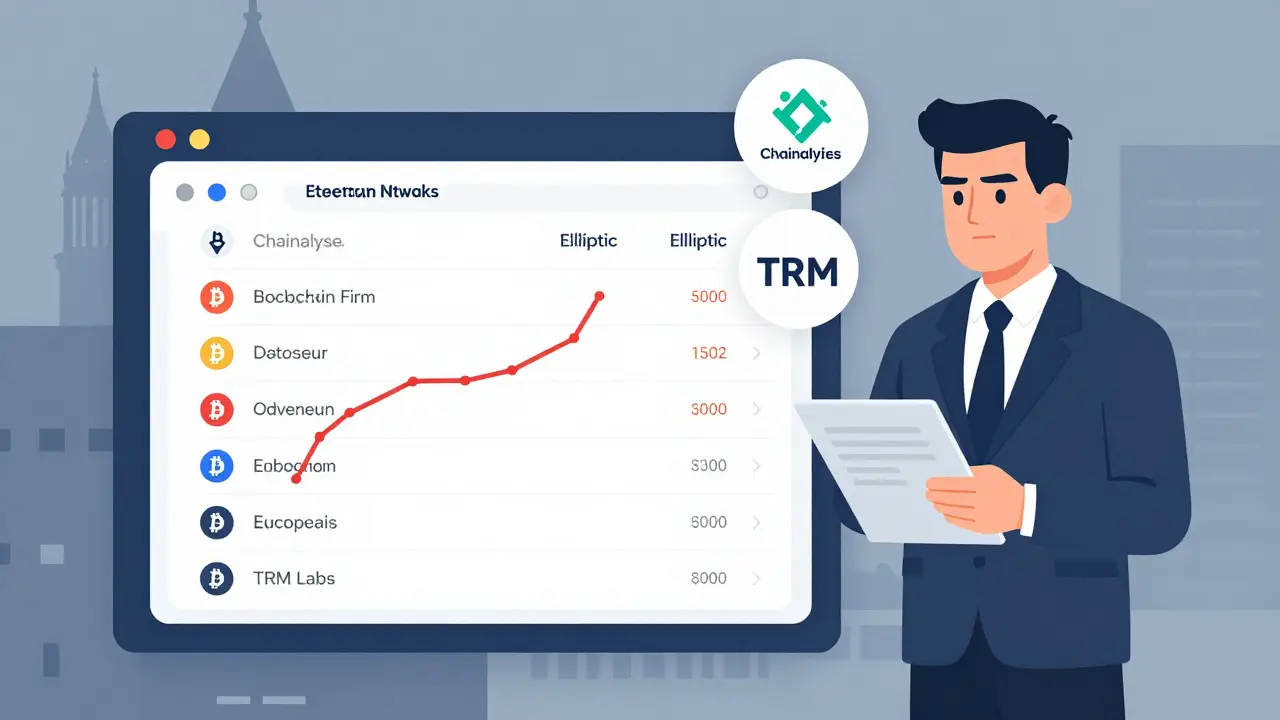
You can’t rely on old banking tools. Blockchain doesn’t work like SWIFT. You need crypto-specific solutions. Here’s what’s required:- Blockchain analytics software - Tools like Chainalysis, Elliptic, or TRM Labs that trace transaction flows across Bitcoin, Ethereum, and other chains. These tools flag addresses linked to known sanctions targets.
- Real-time monitoring - Not daily checks. Not weekly. Real-time. Every deposit, withdrawal, or trade must be screened as it happens.
- Travel Rule compliance - Since 2023, UK firms must collect and share sender/receiver info for transfers over £1,000. This includes names, addresses, and wallet IDs. No exceptions.
- Staff training - Compliance officers used to work with bank records. Now they need to understand blockchain explorers, mixing services, and cross-chain bridges. Most haven’t been trained.
- Internal reporting channels - If an employee spots a suspicious transaction, they need a clear, anonymous way to report it. And management must act on it within 24 hours.

The Cost of Ignoring This
In 2024, a London-based crypto exchange was fined £850,000 for failing to screen 1,200 transactions linked to a sanctioned Russian entity. The firm claimed they didn’t know the addresses were blocked. The FCA responded: “Ignorance is not a defense.” Another firm, a crypto ATM operator, was shut down after investigators found over £2 million flowing through addresses tied to the Grinex exchange. The owner was barred from working in financial services for life. These aren’t rare cases. They’re becoming the norm. The UK government has publicly stated its goal: “Make the UK the hardest place in Europe to launder money through crypto.”How the Rules Are Changing in 2026
New legislation passed in late 2025 formally recognizes crypto as personal property in England and Wales. That sounds technical, but it means courts can now seize crypto assets just like they would seize a car or a house. It also gives HMRC more power to track crypto gains and link them to sanctions violations. The FCA is rolling out mandatory risk assessments for every crypto firm. You must now document:- Which customers are high-risk (e.g., from sanctioned jurisdictions)
- Which crypto assets you handle (some are riskier than others)
- How you monitor transactions
- How you train staff
- How you update your systems when new sanctions are added
What Happens to Small Firms?
If you’re a startup with five employees and a basic wallet service, you might think: “We’re too small to be targeted.” You’re wrong. OFSI’s 2025 report shows that small firms are the most vulnerable. They lack resources. They skip audits. They use cheap software that doesn’t catch complex laundering patterns. And that’s exactly what bad actors exploit. The result? Many small firms are being forced out. Consolidation is happening fast. Larger firms with compliance budgets over £500,000 per year are buying up smaller ones - not just for customers, but for their licenses and regulatory history.
What Tools Are Actually Working?
Not all blockchain tools are equal. Here’s what firms that passed audits are using:| Tool Type | Examples | Key Feature |
|---|---|---|
| Blockchain Analytics | Chainalysis, Elliptic, TRM Labs | Flags sanctioned addresses across 100+ blockchains |
| Travel Rule Compliance | Veriff, Notabene, Jumio | Automates collection and sharing of KYC data |
| Transaction Monitoring | Sophis, Actimize Crypto | Real-time alerts for unusual patterns (e.g., rapid transfers, mixing) |
| Sanctions List Updates | World-Check, Refinitiv | Automatically syncs with OFSI’s daily updates |
The Bottom Line
Crypto isn’t going away. But the days of flying under the radar are over. The UK government has made it clear: if you’re in this space, you’re now part of the financial system. And with that comes the same responsibilities as a bank. If you’re running a crypto business in the UK, you have three choices:- Invest in real compliance - tools, training, audits
- Get caught and pay millions
- Shut down
Are personal crypto wallets regulated in the UK?
No, personal wallets used by individuals for private transactions aren’t regulated. But if you operate a service that holds or transfers crypto for others - even if it’s a small wallet app - you’re regulated. The rules apply to businesses, not individuals.
What happens if I accidentally send crypto to a sanctioned address?
Accidents don’t excuse violations. If you didn’t screen the address before sending, you’re still in breach. The key is whether you had proper systems in place. If you did, and you reported it immediately, you may avoid penalties. If you didn’t, you’re likely facing a fine or worse.
Can I use decentralized exchanges (DEXs) and still be compliant?
Yes - but only if you’re not operating the DEX. If you’re a user, you’re not regulated. If you’re running a DEX aggregator, liquidity provider, or front-end service that connects users to DEXs, you’re regulated and must apply the same rules: screening, Travel Rule, reporting. Many DEX platforms are now adding KYC to comply.
How often does OFSI update its sanctions list?
OFSI updates its list daily - sometimes multiple times a day. Firms must use automated systems that sync in real time. Manual updates are no longer acceptable. If your system isn’t pulling fresh data every hour, you’re at risk.
Do I need to report every flagged transaction?
Yes. If your system flags a transaction as potentially linked to a sanctioned person or entity, you must file a report with OFSI within 14 days. Even if you’re unsure - report it. OFSI will investigate. Failing to report is a criminal offense.
Is crypto mining affected by UK sanctions?
Mining itself isn’t regulated - unless you’re mining for a sanctioned entity. If your mining pool is controlled by a designated person, or you’re using infrastructure tied to a sanctioned country, you’re at risk. Most miners aren’t targeted, but if you’re running a large-scale operation and don’t screen your pool operators, you could be held liable.
MOHAN KUMAR
January 27, 2026 AT 12:42UK’s cracking down hard, but most crypto firms still think they’re in a wild west. Real talk? If you’re not using Chainalysis or Elliptic, you’re just gambling with your license. And yeah, the fines will eat your startup alive.
Abdulahi Oluwasegun Fagbayi
January 29, 2026 AT 08:10People keep acting like crypto is magic money but it’s just code with a ledger. If you’re serving UK customers, you’re part of the system now. No free passes. The tools exist. The rules are clear. It’s not about tech-it’s about will.
Andy Marsland
January 30, 2026 AT 12:27Let’s be brutally honest here-the entire crypto industry has been running on a Ponzi scheme of regulatory arbitrage since 2017. They thought anonymity meant immunity. Well, guess what? The UK didn’t just close the loophole-they rewrote the entire legal framework to make crypto firms more accountable than traditional banks. And you know what? That’s long overdue. The Travel Rule isn’t optional. Real-time monitoring isn’t a luxury. And no, your ‘decentralized’ platform isn’t exempt just because you call it a ‘DAO.’ If you’re touching crypto in the UK, you’re a financial institution. Period. End of story. Stop pretending blockchain is some kind of legal loophole when it’s just a more efficient way to launder money if you’re not compliant.
Anna Topping
February 1, 2026 AT 08:31I just feel like this whole thing is so heavy. Like, we’re all just trying to build something new, but now it feels like every line of code has to come with a lawyer’s signature. I get it, I really do-but why does it have to feel so punishing?
Nathan Drake
February 1, 2026 AT 10:17It’s funny how we treat crypto like it’s revolutionary, but then act shocked when it’s held to the same standards as cash. Maybe the problem isn’t the tech-it’s that we wanted it to be a free zone when it was always meant to be part of the system. We built a house and then acted surprised when the city came to inspect the permits.
Jeffrey Dufoe
February 2, 2026 AT 03:19Just got my compliance software set up last week. Took 3 months. Cost more than my dev team. But honestly? Worth it. I’d rather pay for tools than a prison visit.