Underground Crypto Market in Myanmar: How Traders Survive the Ban
 May, 24 2026
Buying or selling Bitcoin in Myanmar is technically a crime. Yet, thousands of people trade digital assets daily using nothing but Facebook groups, Telegram chats, and trusted local dealers. The underground crypto market in Myanmar operates entirely in the shadows because the government has made it illegal to touch cryptocurrency. If you are looking at this space, you need to understand that there are no rules, no safety nets, and significant legal risks involved.
This isn't a standard financial market where you can complain if things go wrong. It is a high-stakes environment driven by necessity, political resistance, and the desire for financial freedom in a country with strict capital controls. Here is how this hidden ecosystem works, who runs it, and what dangers lurk behind every transaction.
The Legal Wall: Why Crypto Is Banned
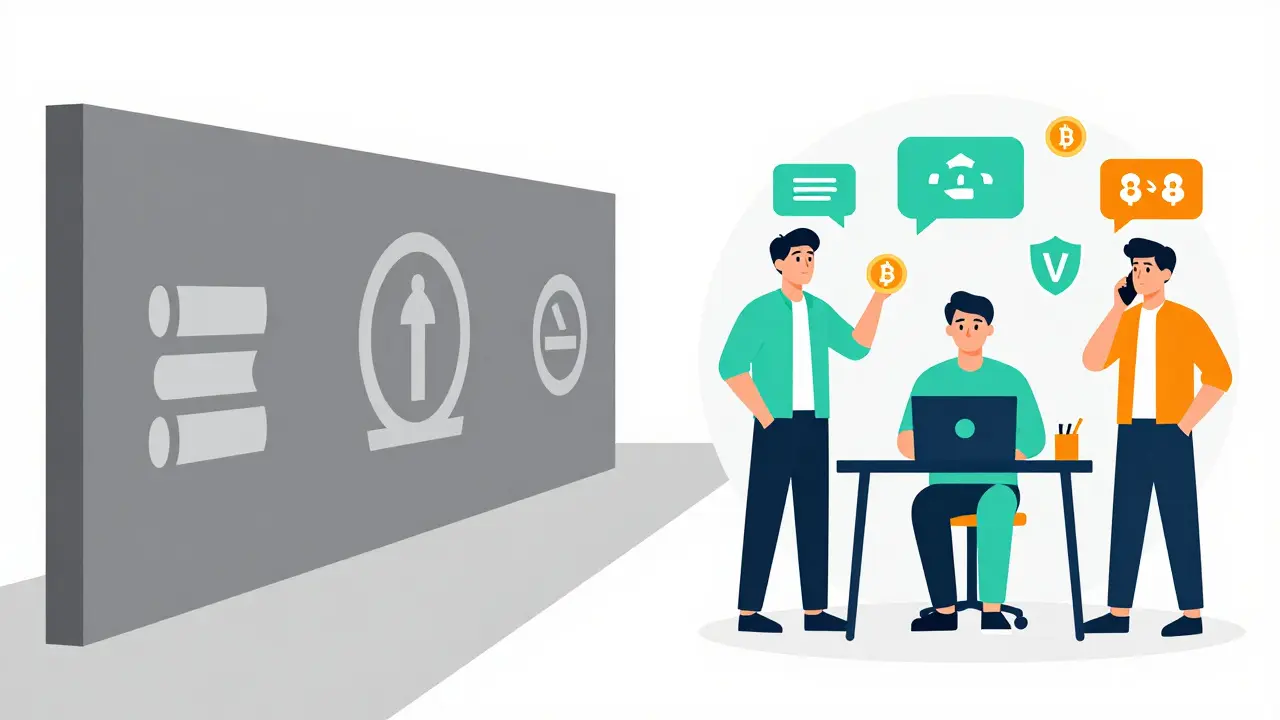
To understand the underground market, you first have to look at the wall keeping it underground. In 2020, the Central Bank of Myanmar (CBM) issued a complete ban on all cryptocurrency transactions. They declared digital currencies as unrecognized and unregulated instruments. This wasn't just a warning; it was a hard stop backed by law.
The CBM uses several powerful tools to enforce this ban:
- Foreign Exchange Management Law: Converting crypto to foreign currency is treated as an illegal exchange activity.
- Financial Institutions Law: Operating without a license is a criminal offense.
- Anti-Money Laundering (AML) Laws: Authorities can freeze bank accounts linked to suspicious crypto activities.
Mining is also completely prohibited. The government views financial freedom as a threat to its power structure. As a result, anyone caught trading or mining faces fines, account freezes, or even imprisonment. This creates a climate of fear that pushes all activity into secrecy.
How Trading Actually Happens
Since there are no legal exchanges operating within Myanmar's borders, traders have built their own infrastructure. You won't find a physical office or a regulated website. Instead, the market relies on three main pillars:
- International Exchanges via VPN: Most users connect to global platforms like Binance using Virtual Private Networks (VPNs). This allows them to bypass internet restrictions and access liquidity from other countries.
- Social Media Networks: Facebook and Telegram are the stock exchanges of Myanmar's underground crypto scene. Groups dedicated to buying and selling USDT or Bitcoin operate here. Users post offers, negotiate prices, and arrange meetings.
- Cash Dealers: These are trusted individuals who hold cash reserves. They act as intermediaries, allowing users to swap Kyat for stablecoins without using traditional banks that might flag the transaction.
This system is fragile. Liquidity is thin, meaning large trades can cause wild price swings. If you want to sell a significant amount of Bitcoin, you might struggle to find a buyer willing to take it all at once, forcing you to accept a lower price or split the deal across multiple dealers.
The Role of Community Education
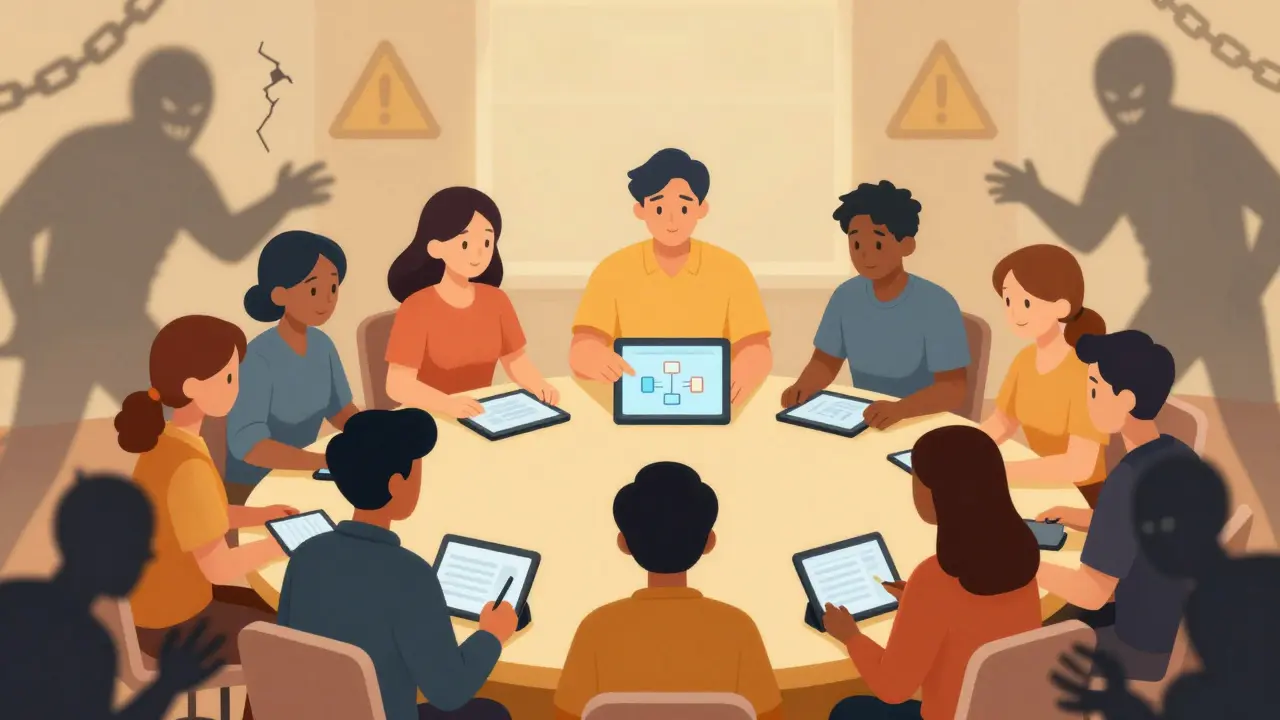
In a vacuum of official information, community-led education fills the gap. The most prominent example is the Myan Crypto Masters Community (MCM). Founded by an individual known as Feliz, MCM has grown to over 23,000 members. It serves as the primary hub for learning about cryptocurrency in the Burmese language.
MCM doesn't just teach technical skills; it builds trust. Through weekly workshops, forums, and digital courses, they break down complex concepts like blockchain security and wallet management. In a market rife with scams, this education is vital. Without it, newcomers often lose everything to fraudsters posing as legitimate dealers.
Other social media platforms like TikTok also play a role, though they are more focused on awareness than deep education. These communities create a support network where veterans help novices navigate the risks, sharing tips on which dealers are trustworthy and which platforms are safe to use.
Risks and Realities: Scams and Volatility
The lack of regulation means there is no recourse when things go wrong. If a dealer disappears with your money, you cannot call the police. If an exchange hacks your account, there is no insurance fund. This reality has led to devastating losses for many investors.
A notable example occurred in 2022 when a high-profile cryptocurrency scheme collapsed, leaving thousands of investors in financial ruin. These incidents highlight the extreme vulnerability of participants. Common risks include:
- Fraudulent Schemes: Fake investment platforms promising high returns.
- Dealer Default: Cash dealers refusing to honor trades after receiving crypto.
- Phishing Attacks: Malicious links shared in social media groups designed to steal private keys.
- Legal Prosecution: Random checks by authorities leading to asset confiscation.
Experts describe this as a "double-edged sword." While crypto provides essential services, the absence of regulatory protection exposes users to substantial harm. Anonymous exchange operators admit that transparency is difficult to maintain without oversight, making every transaction a gamble.
Political Resistance and Financial Lifelines
Beyond speculation, cryptocurrency serves a deeper purpose in Myanmar. For many, it is a tool of survival and resistance against the military regime. The National Unity Government (NUG), which opposes the current government, has launched initiatives like the Spring Development Bank on the Polygon blockchain.
This platform offers diaspora remittances, gold-backed savings, and USDT rails to finance resistance communities. It operates in direct opposition to the CBM's prohibitions. By using stablecoins, people can send money across borders without relying on state-controlled banking systems. This makes crypto not just an investment, but a lifeline for those seeking to preserve their wealth and support political change.
Comparison with Regional Neighbors
| Country | Regulatory Status | Mining Legality | Primary Risk |
|---|---|---|---|
| Myanmar | Complete Ban | Illegal | Criminal prosecution, no legal recourse |
| Thailand | Regulated | Licensed only | Compliance costs, strict KYC |
| Laos | Evolving Framework | Restricted | Policy uncertainty |
| China | Complete Ban | Illegal | Heavy surveillance, capital flight controls |
Myanmar stands out for its harsh enforcement and total prohibition. While China also banned crypto, Myanmar's underground market shows unique resilience through community-driven education. Neighboring countries like Thailand have moved toward regulation, attracting miners and businesses away from Myanmar. This migration affects regional energy demands and hash rate distribution, further isolating Myanmar's crypto ecosystem.
Practical Challenges for Traders
If you are considering entering this market, be aware of the practical hurdles. Energy shortages limit mining operations to small, clandestine scales. Entrepreneurs must hide equipment from authorities, adding operational risk. Additionally, the learning curve is steep. New participants must master VPN usage, understand peer-to-peer negotiation tactics, and build relationships with trusted dealers.
Taxation is another grey area. Technically, profits from crypto should be taxed as income. However, since the activity is illegal, reporting it is practically impossible. This creates a paradox where traders contribute to the economy but remain outside the formal tax system, limiting their ability to integrate into broader financial structures.
Future Outlook
As of 2025, there are no signs of regulatory relaxation. The military government maintains its strict stance, viewing crypto as a threat. Future prospects depend heavily on political changes. A potential civilian government might choose to regulate digital assets, bringing clarity and safety. Until then, the underground market will likely continue to grow, driven by necessity and innovation.
The resilience of Myanmar's crypto community suggests that despite bans, the demand for decentralized finance remains strong. Whether viewed as a speculative asset or a tool for resistance, cryptocurrency has become an integral part of Myanmar's informal economy.
Is it legal to buy Bitcoin in Myanmar?
No, it is not legal. The Central Bank of Myanmar banned all cryptocurrency transactions in 2020. Engaging in crypto trading can lead to fines, account freezes, or criminal charges under foreign exchange laws.
How do people trade crypto without legal exchanges?
Traders use international platforms like Binance via VPNs and conduct peer-to-peer (P2P) trades on social media apps like Facebook and Telegram. Trusted local cash dealers facilitate off-record transactions.
What is the Myan Crypto Masters Community (MCM)?
MCM is a large online community founded by Feliz that provides cryptocurrency education in Burmese. It offers workshops and forums to help users navigate the risks of the underground market.
Are there any protections if I get scammed?
No. Because the market is unregulated and illegal, there are no consumer protections, courts, or regulators to help recover lost funds. Victims must rely on community warnings and personal due diligence.
Why do people use crypto despite the ban?
People use crypto for financial survival, remittances, and political resistance. It allows them to bypass capital controls, preserve wealth against inflation, and support opposition groups like the NUG.