What Is BabyBitcoin (BABYBITC)? Status, Risks, and Alternatives Explained
 Jul, 28 2026
Have you ever stumbled upon a cryptocurrency with a catchy name like BabyBitcoin, only to find that its price is listed as $0.00? It’s a confusing scenario that leaves many new investors scratching their heads. You might be wondering if this is a hidden gem waiting to explode in value or if it’s simply a dead project. The truth about the specific token tickered as BABYBITC is stark: as of mid-2025 through 2026, it appears to be effectively dormant, with zero circulating supply and no trading volume on major platforms.
This article cuts through the noise to explain exactly what BabyBitcoin (BABYBITC) is, why it struggles to gain traction, and how it differs from other similarly named tokens that are actually active. We’ll look at the numbers, the mechanics, and the reality on the ground so you can decide whether this token deserves a spot in your portfolio-or if you should steer clear entirely.
The Reality Check: What Is BabyBitcoin (BABYBITC)?
When we talk about BabyBitcoin with the ticker symbol BABYBITC, we are referring to a specific micro-cap cryptocurrency token issued on the BNB Smart Chain. Unlike Bitcoin itself, which is a standalone blockchain, BABYBITC operates as an ERC-20 style token on top of Binance’s infrastructure. This means it relies on the security and speed of the BNB network but has its own unique rules set by its smart contract.
The most striking feature of BABYBITC is its current market status. Major data aggregators like CoinMarketCap and Coinbase report a circulating supply of 0 tokens. When there are no tokens actively circulating in the market, the calculated market capitalization drops to $0.00. Furthermore, the 24-hour trading volume is also listed as $0.00. In practical terms, this suggests that the token is either completely abandoned, fully burned, or so illiquid that standard tracking tools cannot detect any activity.
Historically, the token did have some life. Records show an all-time high (ATH) price of approximately $0.00000006 per token. However, recent quotes place the price at effectively zero, representing a decline of nearly 99.98% from its peak. For anyone who bought near the top, the nominal value has virtually vanished. Without active trading pairs on major exchanges, getting your money out-or even buying in-is incredibly difficult, if not impossible.
How the Tokenomics Work: High Taxes and Burns
To understand why BABYBITC behaves the way it does, we need to look at its economic design, often called tokenomics. Many meme coins use transaction taxes to fund development or reward holders, but BABYBITC takes this to an extreme level. The project description outlines a hefty 13% tax on every single transaction.
Here is how that 13% is split:
- 7% goes to Liquidity: This portion is automatically added to the liquidity pool, theoretically helping to stabilize the price and provide depth for future trades.
- 6% goes to Holders and Burns: This fee is redistributed to existing token holders. Crucially, a significant part of this distribution goes to a "burn address."
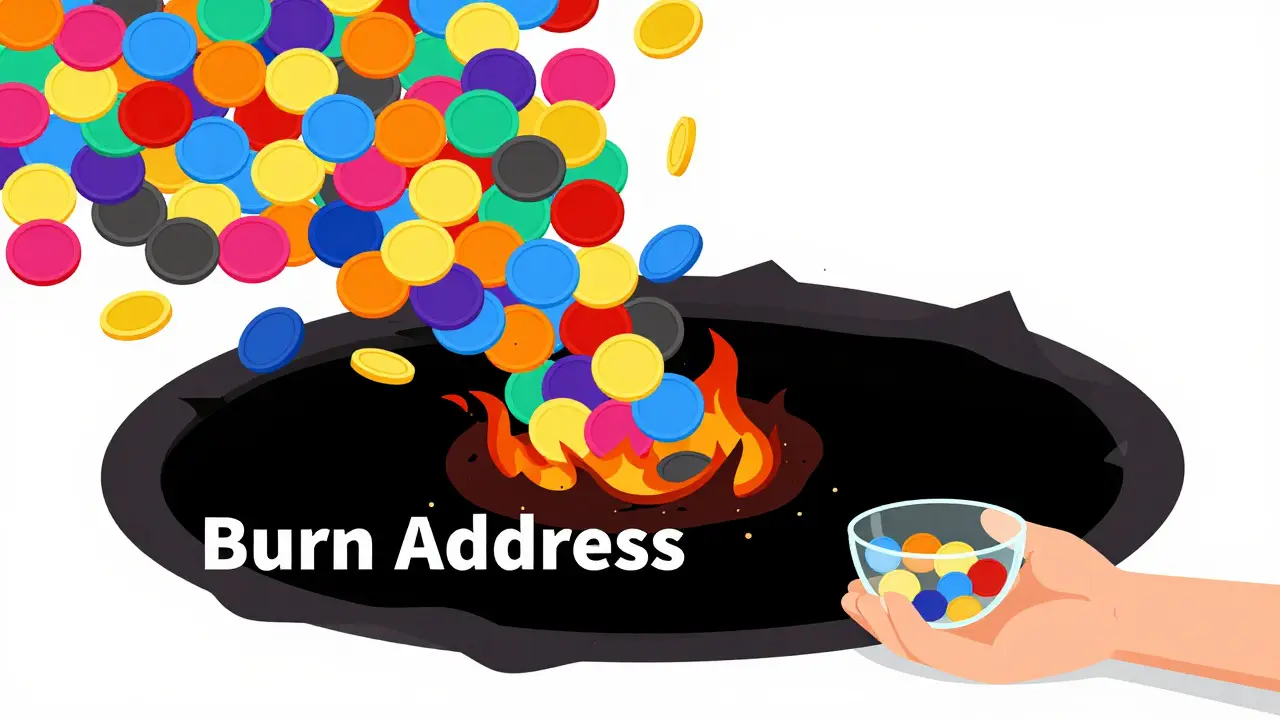
A burn address is a digital wallet where tokens are sent to disappear forever. According to project data, this burn address holds over 90% of the total supply. This creates an extremely deflationary environment. While deflation sounds good in theory-because fewer tokens mean each remaining one could be worth more-in practice, it can kill a market. If 90% of the tokens are gone and the remaining float is tiny, the market becomes fragile. One large sell-off can crash the price because there isn’t enough liquidity to absorb it.
Additionally, the maximum supply was listed in some regional trackers as "21P" (21 Peta-tokens, or 21 quadrillion). While this massive number aligns with the hyper-inflationary nature of many meme coins, the fact that the circulating supply is recorded as zero suggests that the vast majority of these tokens were either burned immediately after launch or locked up in a way that prevents them from being traded.
Don't Get Confused: BABYBITC vs. BABYBTC vs. BBTC
One of the biggest pitfalls for new crypto investors is mixing up tokens with similar names. The "Baby Bitcoin" brand is shared by at least three distinct projects, each with different tickers, blockchains, and levels of activity. Confusing them can lead to buying the wrong asset entirely.
| Feature | BabyBitcoin (BABYBITC) | Baby BitCoin (BABYBTC) | Baby Bitcoin (BBTC) |
|---|---|---|---|
| Ticker | BABYBITC | BABYBTC | BBTC |
| Blockchain | BNB Smart Chain | Solana / Multi-chain | Powabit Ecosystem |
| Status (2026) | Dormant / Zero Volume | Active Trading | Active Ecosystem |
| Transaction Tax | 13% | Variable / Lower | 5% |
| Circulating Supply | 0 (Reported) | ~1 Billion | Varies / Staged |
| Primary Use Case | Speculative Meme | Community & Staking | Social Cause & Commerce |
Baby BitCoin (BABYBTC) is a separate entity that gained traction later, launching around late 2024. It operates primarily on the Solana network and focuses on community engagement, staking, and yield farming. As of July 2026, BABYBTC shows active trading volumes, with prices fluctuating around fractions of a cent and a market cap ranging between $7,000 and $45,000 depending on the exchange. It is a micro-cap asset, meaning it is volatile, but it is alive.
Then there is Baby Bitcoin (BBTC), launched in July 2021. This token is tied to the Powabit ecosystem and emphasizes social causes, such as addressing child vulnerability. It uses a 5% transaction tax, which is significantly lower than BABYBITC’s 13%, making it easier to trade. BBTC aims to integrate into commercial transactions and entertainment platforms, giving it a utility beyond just speculation.
If you are looking for an active "Baby Bitcoin" project, BABYBTC and BBTC are the ones currently moving. BABYBITC, by contrast, remains stuck in the shadows with no visible activity.
Why Is BABYBITC Considered High Risk?
Investing in cryptocurrencies always carries risk, but BABYBITC presents several red flags that distinguish it from healthier assets. Understanding these risks is crucial before you commit any funds.
Lack of Liquidity: Liquidity refers to how easily you can buy or sell an asset without affecting its price. With a reported 24-hour volume of $0.00, BABYBITC has virtually no liquidity. If you somehow managed to acquire tokens, selling them might be impossible because there are no buyers on the order books. This is known as being "illiquid," and it traps investor capital.
High Transaction Costs: A 13% tax is punishing for traders. Every time you buy or sell, you lose 13% of your value instantly. Compare this to standard trading fees on centralized exchanges, which are often below 0.1%. Even other DeFi tokens rarely exceed 5-10%. This high friction discourages frequent trading, which further reduces liquidity and interest.
Opacity and Documentation: Unlike established projects that publish whitepapers, audit reports, and team details, BABYBITC lacks publicly indexed technical documentation. There are no named founders, no detailed governance structures, and no independent security audits cited in major aggregator profiles. In the world of crypto, transparency builds trust. Without it, investors are left guessing whether the project is legitimate or a "rug pull"-a scam where developers abandon the project and take the money.
Deflationary Extremes: While burning tokens can increase scarcity, burning over 90% of the supply upfront can backfire. It leaves a very small number of tokens in circulation, which makes the price highly susceptible to manipulation by whoever holds the remaining bags. If a few wallets hold most of the available supply, they can dump their holdings and crash the price for everyone else.
Should You Invest in BABYBITC in 2026?
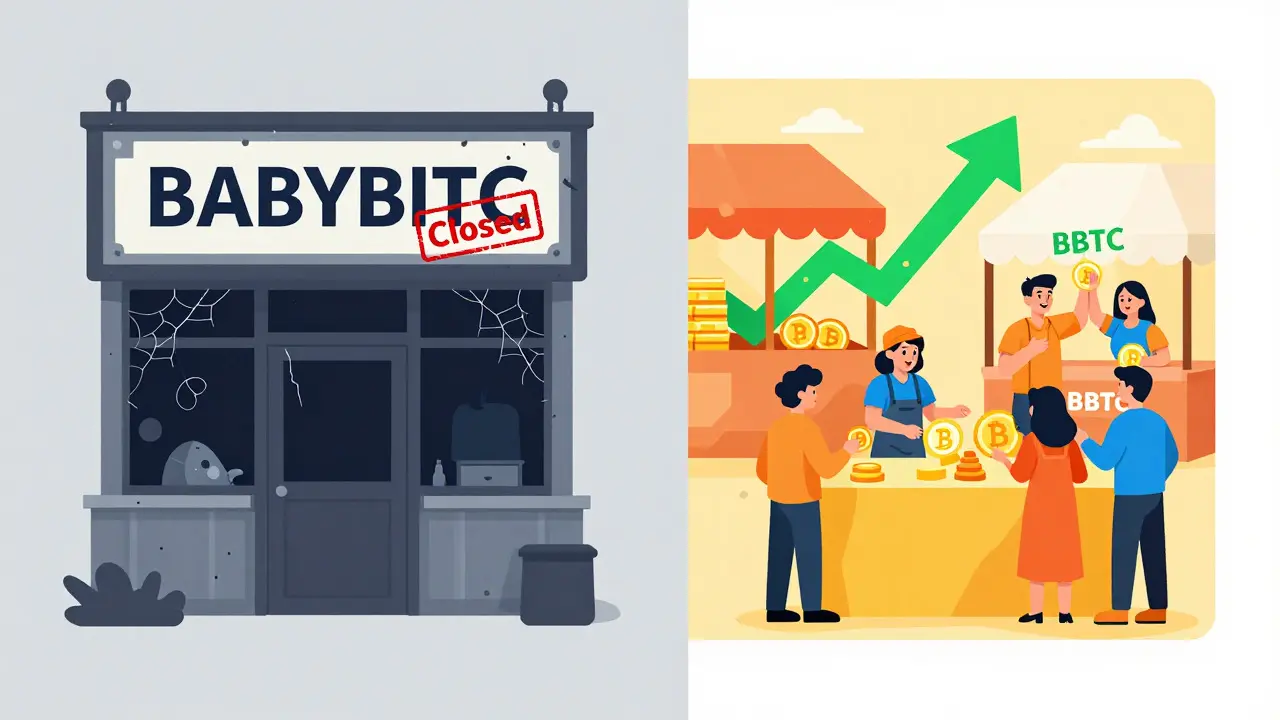
Given the data available through mid-2026, the outlook for BabyBitcoin (BABYBITC) is unfavorable. The combination of zero circulating supply, zero trading volume, and a lack of updated information suggests the project is dormant or abandoned. In the fast-moving crypto market, silence usually means death. Projects that survive typically maintain active communities, regular updates, and consistent trading activity.
If you are interested in the "Baby Bitcoin" concept, you might want to explore the alternatives. BABYBTC offers a more active community and lower barriers to entry via Solana-based decentralized exchanges like Raydium. BBTC provides a narrative around social impact and ecosystem utility. Both have non-zero market caps and visible trading history, which provides at least some basis for analysis.
However, remember that all meme coins are speculative. They are driven by hype, community sentiment, and trends rather than underlying technology or cash flow. Always do your own research (DYOR), check the latest contract addresses on official channels, and never invest more than you can afford to lose.
How to Verify Token Information Yourself
Since data can change rapidly and aggregators may lag behind, it’s wise to verify information directly. Here is a simple checklist for evaluating any obscure crypto token:
- Check Multiple Aggregators: Look at CoinMarketCap, CoinGecko, and DEXScreener. If one site lists a price and others show zero, be skeptical.
- Inspect the Contract Address: Go to the blockchain explorer (like BscScan for BNB Chain). Paste the token’s contract address. Check the "Holders" tab. Are there a few whales holding 90% of the supply? That’s a bad sign.
- Look for Liquidity Locks: On the explorer, check if the liquidity pool tokens are locked. If they aren’t, the developers can pull the liquidity at any time, causing the price to go to zero.
- Read Recent Community Activity: Visit the project’s Twitter, Telegram, or Discord. Are people posting memes and discussing features, or is the chat silent? Active communities are a key survival factor.
- Verify Audit Reports: Search for links to audits by reputable firms like CertiK or Hacken. If there are none, assume the code is unaudited and risky.
By following these steps, you can avoid falling into traps set by inactive or fraudulent tokens like the current state of BABYBITC.
Is BabyBitcoin (BABYBITC) a scam?
While there is no definitive legal ruling labeling BABYBITC as a scam, its characteristics align with high-risk or abandoned projects. The zero circulating supply, zero trading volume, and lack of transparent team information suggest it may be defunct. Investors should exercise extreme caution.
What is the difference between BABYBITC and BABYBTC?
They are two different tokens. BABYBITC is on the BNB Smart Chain and appears dormant with zero volume. BABYBTC is a newer token (launched late 2024) that trades actively on Solana and other chains, featuring a community-driven model with staking and yield farming options.
Why is the price of BABYBITC listed as $0.00?
The price is listed as $0.00 because there is no active trading volume. Without recent trades, aggregators cannot calculate a current market price. Additionally, the circulating supply is reported as zero, meaning there are no tokens available to buy or sell on tracked markets.
Can I still buy BABYBITC tokens?
It is highly unlikely. Since major exchanges and decentralized platforms show no liquidity or trading pairs for BABYBITC, finding a place to buy the token would be difficult. Any platform claiming to sell it may be unverified or risky.
What is the 13% tax on BABYBITC used for?
The 13% transaction tax is split into two parts: 7% is added to the liquidity pool to support trading stability, and 6% is redistributed to token holders. A significant portion of this redistribution goes to a burn address, permanently removing tokens from circulation to create deflation.
Is BBTC the same as BABYBITC?
No. BBTC stands for Baby Bitcoin and is associated with the Powabit ecosystem. It has a 5% tax rate and focuses on social causes and commerce. BABYBITC is a separate token on the BNB Chain with a 13% tax and currently no active market presence.
Sean Rowland
July 28, 2026 AT 12:28It is imperative that we scrutinize the epistemological validity of these aggregators. The assertion that BABYBITC is "dormant" is a superficial interpretation of market dynamics, ignoring the nuanced liquidity traps inherent in BNB Smart Chain micro-caps. One must question if this silence is merely a strategic accumulation phase by sophisticated actors, rather than abandonment. The narrative of "zero volume" is often a construct designed to panic retail investors into liquidating their positions at unfavorable rates. We are witnessing a classic contrarian opportunity masquerading as failure. Do not be swayed by the herd mentality prevalent on these forums. The data presented here lacks the rigorous statistical analysis required to declare a token dead. It is highly probable that the burn mechanism has created an artificial scarcity that will eventually correct itself through hyper-inflationary pressure from the remaining holders. This is not a death; it is a hibernation.
Dominic Greco
July 30, 2026 AT 06:26The whole crypto space is a giant psyop 🚩👁️ They want you chasing BABYBTC while the real wealth is hidden in the "dead" tokens like BABYBITC because the algorithms can't track the dark wallet movements. It’s all controlled by the same shadowy cabal who pump and dump whatever they please. Don’t let them fool you with their "active trading" metrics. That’s just noise to distract you from the truth. Wake up sheeple! 😡💸
Sus Sawyer
July 31, 2026 AT 01:39hey guys! look i know everyone is scared but honestly u gotta check the contract urself. its super easy to see if its safe or not. dont trust just the articles ok? sometimes the devs are quiet bcuz they r building something cool in the background. ive seen projects come back from the dead before so keep hope alive! 🌟 also make sure u lock ur keys in a hardware wallet never use hot wallets for long term holds. stay safe out there fam!
Aryan MISHRA
July 31, 2026 AT 09:16Tokenomics are fundamentally flawed!! 13% tax is absurd!!! Liquidity is zero!!! Why would anyone invest?? It is a rug pull waiting to happen!!! Check the holder distribution!!! It is concentrated!!! Avoid at all costs!!!
Ryan Robinson
July 31, 2026 AT 14:02i mean yeah it looks kinda sketchy but maybe they just burned it all on purpose? idk man just seems weird that its totally gone. probably better to stick with the ones that actually have volume though. no point fighting a losing battle i guess.
Earl Kott65
August 1, 2026 AT 01:28Oh wow, another "dead" coin story? How original 🙄😂 You people really believe every word you read on CoinMarketCap? Please. The drama around BABYBITC is exactly what keeps the ecosystem interesting. If it were truly dead, why are we even talking about it? I bet someone knows something you don't. Keep crying about your losses while the smart money watches from the sidelines. 📉🤡
Ethan Yuwono
August 2, 2026 AT 07:09silence is often louder than words. perhaps the absence of activity is a feature not a bug. when the market is noisy one listens less. when it is quiet one observes more. the token exists on the chain regardless of price. value is subjective. do not let fear dictate your actions. breathe and observe the patterns.
Jack Delasquez
August 4, 2026 AT 02:39just bought some babycat instead lol. this babybitcoin stuff is too complicated for me. typos everywhere in my head right now. anyway good luck to everyone. hope yall make it big. dont forget to hydrate.
Harman Singh
August 5, 2026 AT 20:55why does everyone always talk about me being wrong? i said it was bad and now you say its complex. nobody cares about my opinion anymore. it feels so empty inside when the charts go down. just leave me alone. i hate this community. everything is fake anyway. sad day.